Dry Herb Vaping Health Risks: What To Know About Vaporizers And Lungs
The conversation around cannabis consumption has shifted dramatically. With legalization spreading across states and countries, more people are exploring alternatives to smoking marijuana. Dry herb vaping has emerged as a popular choice—but what do we actually know about its effects on lung health?
This guide breaks down the evidence on dry herb vaping health risks, from what the research shows to practical harm reduction strategies.
Overview of Dry Herb Vaporizers
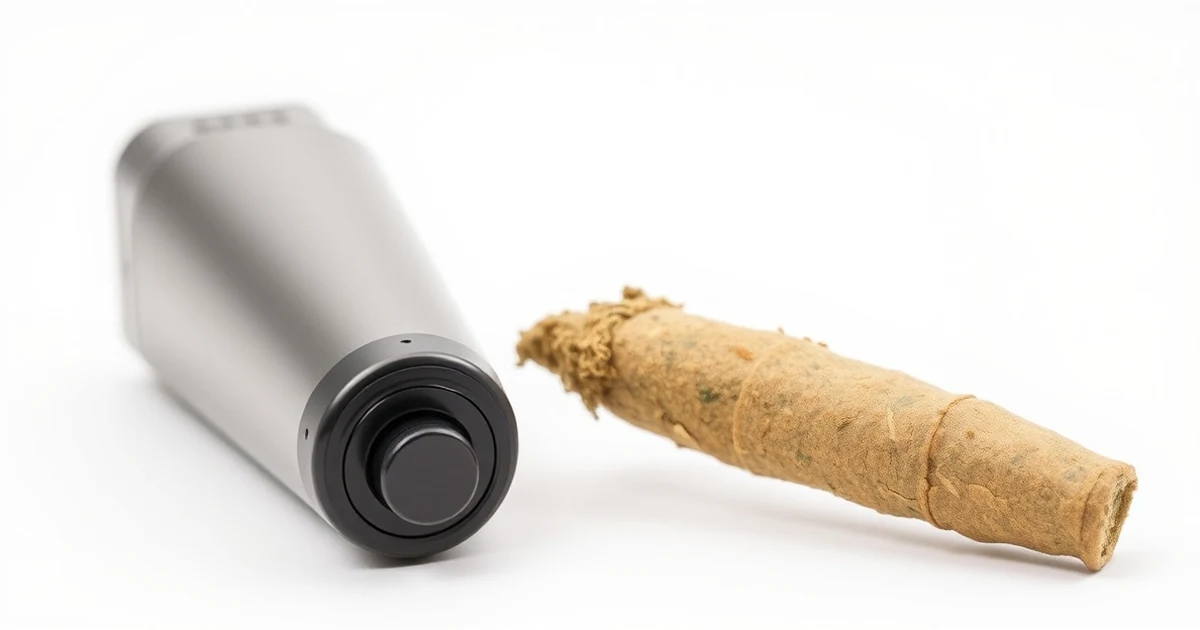
Dry herb vaporizers are devices specifically designed to heat ground cannabis flower or other botanicals to release active compounds as inhalable vapor—without burning the plant material.
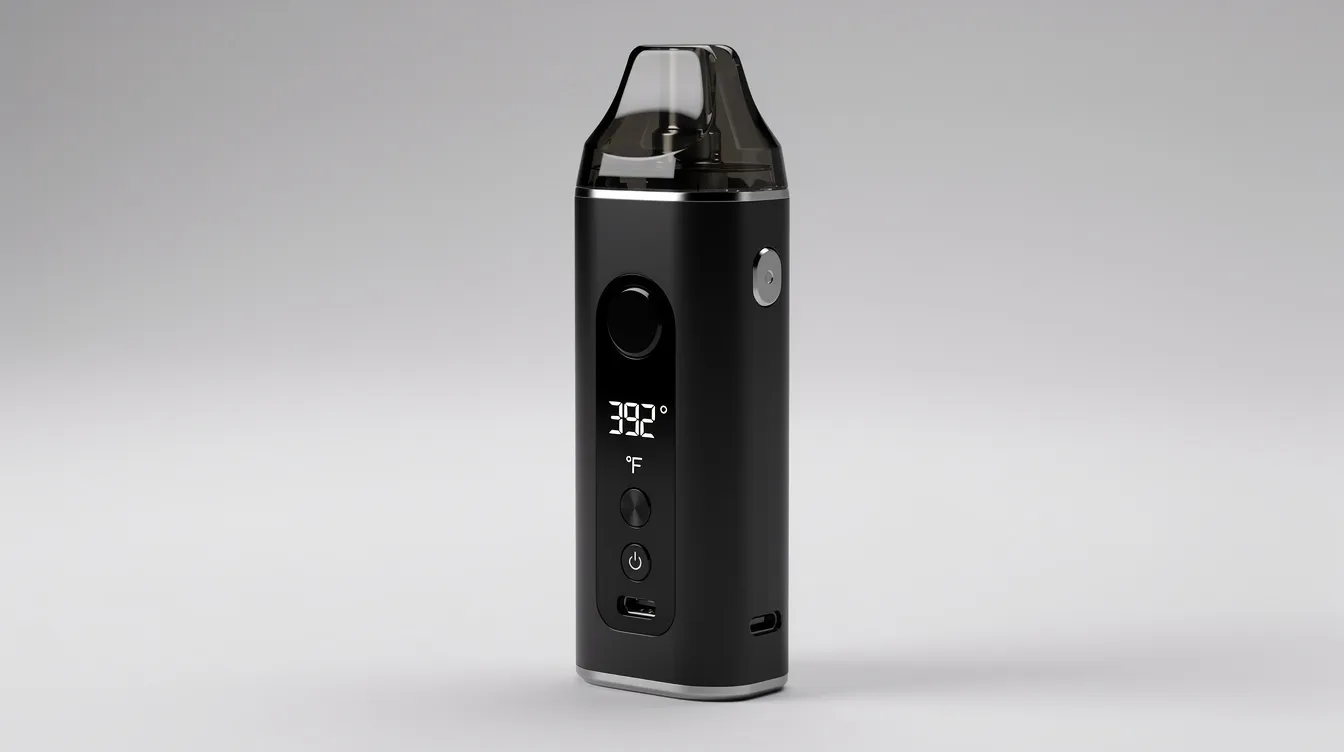
Basic components include:
A heating chamber (oven) where dry herb is loaded
A heating element using conduction or convection methods
A battery or power source
A mouthpiece for inhalation
Digital temperature controls on most modern devices
Temperature control matters significantly. Dry herb vaporizers typically operate between 160°C and 230°C (320°F to 446°F). Combustion occurs around 230°C, so staying below this threshold is critical for avoiding smoke-related toxins.
Unlike oil or cartridge devices, which heat liquid cannabis extracts often containing carriers like propylene glycol or MCT oil, dry herb vaporizers process unprocessed plant material directly. This eliminates risks associated with synthetic additives or extraction process contaminants that have caused serious health effects in vaping liquids.
How Vaping Cannabis Works
Vaping cannabis via dry herb works by gently heating plant material to volatilize cannabinoids like THC and CBD, along with terpenes responsible for aroma and effects. This forms an aerosol of microscopic droplets rather than smoke from combustion.
When you’re smoking cannabis, pyrolysis destroys up to 50% of beneficial compounds. Heating below combustion temperatures extracts a higher cannabinoid-to-toxin ratio.
Common device types include:
Type | Heating Method | Best For |
|---|---|---|
Portable Conduction | Direct contact heat | Convenience, discrete use |
Portable Convection | Hot air flow | Even heating, flavor |
Desktop Units | Precise temperature | Medical dosing, sessions |
Terpenes like myrcene and limonene modulate effects—enhancing relaxation or alertness—while cannabinoids bind to endocannabinoid receptors. The aerosol formation involves vaporized oils cooling into respirable particles, potentially carrying plant waxes if temperatures are too low or herbs are poorly ground.

Health Risks From Dry Herb Vaping
The evidence on health risks from vaping dry herb reveals a profile significantly less toxic than smoking. Multiple studies demonstrate reduced exposure to tar and carbon monoxide compared to tobacco smoke or joints.
Key findings from research:
Vaporizers produce 95% fewer particulates than smoke
Carbon monoxide levels are 90% lower than smoking cigarettes
Users report fewer respiratory symptoms like coughing and wheezing
However, uncertainties persist in long term marijuana use effects. Most studies span weeks to months, with researchers calling for more research on chronic exposure. Vaping can still irritate lungs via fine particulates, particularly at high temperatures above 200°C where benzene may be released.
Contaminants in low-quality vaping devices pose additional concerns:
Off-gassing from cheap plastics (microplastics, heavy metals)
Microbial residues if herbs are improperly stored
Pesticides in non-lab-tested flower
Reputable brands using stainless steel vapor paths minimize these risks compared to poorly manufactured alternatives.
Respiratory Symptoms And Signs
When vaping or smoking any substance, your lungs communicate through specific signals worth monitoring.
Acute symptoms to watch for:
Throat irritation
Dry cough
Mild chest tightness (especially above 390°F)
Chronic symptoms linked to inhalation:
Persistent wheezing
Increased phlegm production
Reduced lung function over time
Surveys show vapers report 30-50% fewer respiratory issues than tobacco smokers, but still elevated symptoms versus non-users. Those with asthma or COPD face greater risk—irritation can exacerbate underlying conditions.
Seek medical evaluation if you experience persistent cough lasting beyond sessions, blood in sputum, or shortness of breath.
Lung Injury And EVALI Context
The EVALI outbreak of 2019 caused widespread concern about vaping products. Understanding what actually caused these severe effects is essential.
The facts on EVALI:
Over 2,800 hospitalizations and 68 deaths occurred
Cases were overwhelmingly tied to black-market THC oil cartridges
Vitamin E acetate, a thickening agent, was the primary culprit
Dry herb vaping cases were negligible in CDC investigations
Vitamin E acetate forms lipid-laden pneumonia when inhaled. It was commonly added to illicit cannabis oil to thicken products for sale.
The disease control agencies found no links between EVALI and flower vaporizing. This distinction matters for understanding where the real risks lie.
If exposed to suspicious products:
Document product sources and batch numbers
Note device types for outbreak tracing
Seek immediate ER care for progressive respiratory failure
Report to poison control
Comparative Risks: Dry Herb Versus Cannabis Oil
When comparing dry herbs to cannabis extracts, the toxin profiles differ substantially.
Factor | Dry Herb | Cannabis Oil/Cartridges |
|---|---|---|
Carbonyls/PAHs | 4-10x lower | Higher concentrations |
EVALI risk | Negligible | Primary source |
Synthetic additives | None | Common in illicit products |
THC efficiency | 30-50% | 70-90% |
Overdose risk | Lower | Higher (concentrated) |
Black market cartridges amplify risks significantly. Studies found 70% of illicit carts contain contaminants like heavy metals (nickel, lead) and microbes. These adulterated vaping products drove the EVALI crisis.
The immediate effect of concentrated CBD oil or THC oil may be stronger effects, but this potency comes with increased risk when product purity cannot be verified.
Lung Damage Evidence And Mechanisms
What does research tell us about how vaping affects lungs at the cellular level?
Clinical trials show vapers exhibit less bronchial irritation and lower inflammation markers (such as exhaled nitric oxide) compared to those smoking marijuana. However, animal models reveal concerning pathways.
Biochemical mechanisms of concern:
Ultrafine particles trigger oxidative stress
Cytokine release activates inflammatory responses
Alveolar macrophage activation may lead to fibrosis pathways
Epithelial injury occurs through reactive oxygen species
Current evidence gaps:
No decade-long cohort studies exist
Confounding by concurrent tobacco or marijuana use
Variability in herb quality across studies
No definitive causal links to COPD or heart disease from dry herb alone
Future studies must address these gaps before definitive conclusions about long term marijuana use and respiratory health can be drawn.
Health Benefits And Therapeutic Context
Dry herb vaping is being studied for several therapeutic applications where inhaling vapor offers advantages over oral dosing.
Researched therapeutic uses:
Chronic pain management (one trial showed 64% reduction in opioid needs)
Nausea relief for chemotherapy patients
Epilepsy symptom management
Anxiety and PTSD symptoms
Inhalation provides 10-20 minute onset versus hours for edibles, with bioavailability reaching 30-50%. This faster delivery allows more precise dosing for medical users.
However, regulatory approval remains limited. The FDA has only cleared Epidiolex (oral CBD) for specific conditions. No vaping delivery methods have received approval due to concerns about substance use delivery variability.
Public Health, Regulation, And Surveillance
Public health messaging must distinguish between dry herb vaping health risks and the dramatically different risk profile of oil vaping products.
Current regulatory gaps:
Cannabis oils and CBD products often evade federal oversight
20-30% of tested samples show contamination
No standardized testing requirements exist in many jurisdictions
Suicidal thoughts and mental health effects remain understudied
Surveillance strategies needed:
Syndromic reporting of vaping illnesses
Genomic sequencing of contaminants
User adverse event tracking through apps
J public health reporting standardization
Johns Hopkins Medicine and other institutions have called for mandatory testing and clearer consumer guidance.
Safer Practices And Harm Reduction
If you choose to consume marijuana through vaping, these practices reduce potential harmful byproducts and adverse effects.
Purchasing guidance:
Buy lab-tested dry herbs with certificates of analysis (COA)
Verify pesticide-free status
Choose regulated dry herb vaporizers with glass or steel vapor paths
Avoid cheap devices with plastic components
Temperature management:
Keep combustion temperatures below 200°C (392°F)
Lower settings preserve terpenes and minimize harmful toxins
Never exceed 230°C where benzene formation increases
What to avoid entirely:
Illicit cartridges of any kind
Unknown oils without third-party testing
Products containing carbon dioxide extraction residues
Any device showing signs of off-gassing
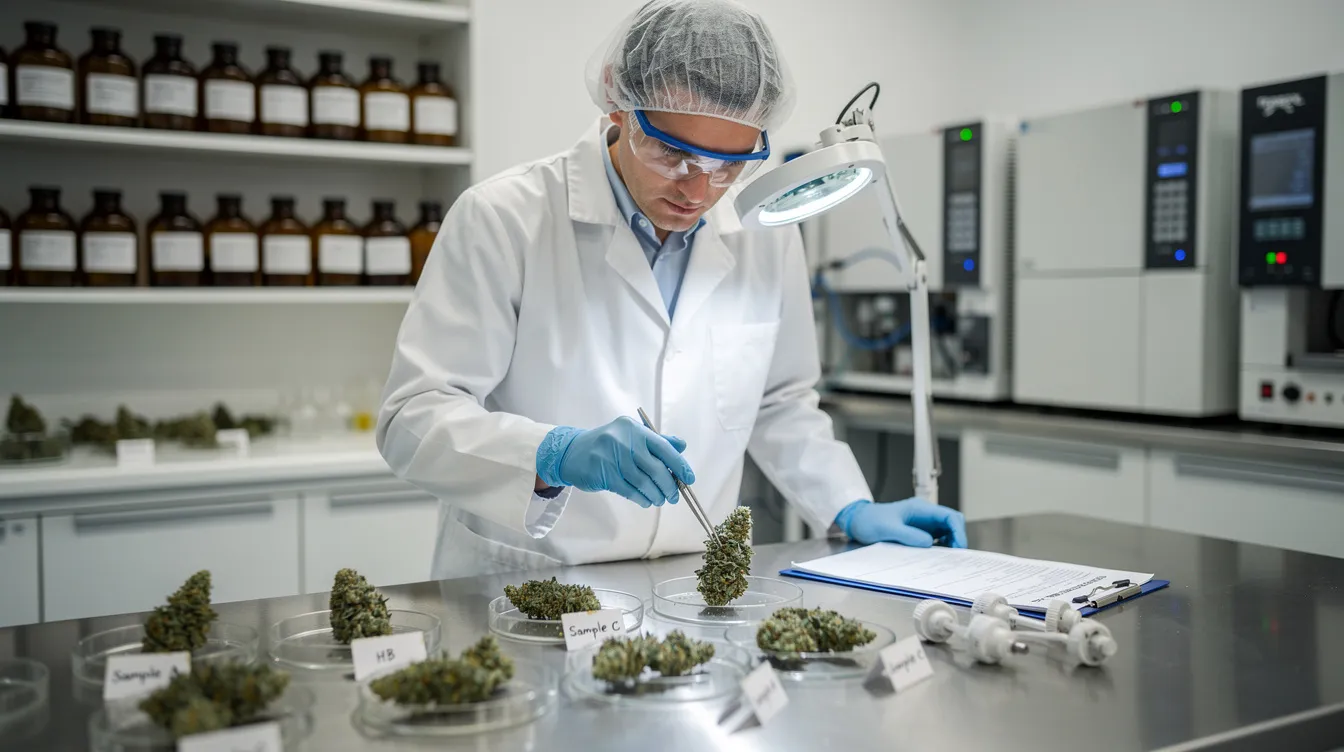
Content Elements To Include In A Full Article
Key Takeaways Summary:
Dry herb vaping produces significantly fewer toxic substances than smoking
Long-term effects require more research
Device quality and temperature matter substantially
EVALI was caused by oil cartridges, not dry herb
Comparison of Device Types:
Device Type | Particulate Level | EVALI Risk | Recommended |
|---|---|---|---|
Convection Dry Herb | Lower | Negligible | Yes |
Conduction Dry Herb | Moderate | Negligible | Yes |
Oil Cartridge (regulated) | Variable | Low | Caution |
Oil Cartridge (illicit) | High | Very High | No |
Clinicians should screen patients for vaping practices. Policymakers must mandate standardized testing for all cannabis products.
Frequently Asked Questions Section
Is dry herb vaping safer than smoking?
The short answer: yes, based on current evidence. Seven studies show substantial toxin reductions and symptom relief when comparing vaping marijuana to smoking cannabis. Probability sample surveys confirm fewer respiratory issues. However, “safer” doesn’t mean “safe”—irritation risks and unknown chronic harms remain.
What concerns exist about CBD oil product purity?
CBD products frequently contain heavy metals, synthetic cannabinoids, or inaccurate labeling. Third-party tested products from reputable brands offer better assurance. Always verify lab certificates before purchasing any substance for inhalation.
What guidance exists for users with respiratory conditions?
Those with existing respiratory health concerns should consult healthcare providers before any cannabis use. If trialing, start with low-temperature settings below 175°C. Consider alternative consumption methods like tinctures or edibles that bypass the lungs entirely.
Conclusion And Messaging
The evidence presents clear tradeoffs: dry herb vaping offers approximately 90% reduction in harmful byproducts compared to smoking, but lung damage risks from long-term exposure remain understudied.
Priority research questions include:
Long-term lung function impacts in regular users
Contaminant threshold levels for safety
Adolescent brain and lung development effects
The public health call to action is straightforward: demand mandatory COAs for all cannabis products, establish temperature guidelines for consumer devices, and fund epidemiological studies to fill evidence gaps.
Whether you’re a consumer weighing options, a clinician advising patients, or a policymaker shaping regulations—the current data supports cautious optimism about dry herb vaping while maintaining vigilance about what we don’t yet know.
Related Articles
Frequently Asked Questions

Written by
The Green Treasure Editorial Team
Independent cannabis journalism backed by science. We cover terpenes, vaporizers, edibles, growing and health.
Stay in the green loop
Expert guides, terpene science, growing tips, and gear reviews — delivered to your inbox. No spam, ever.
No spam. Unsubscribe anytime.