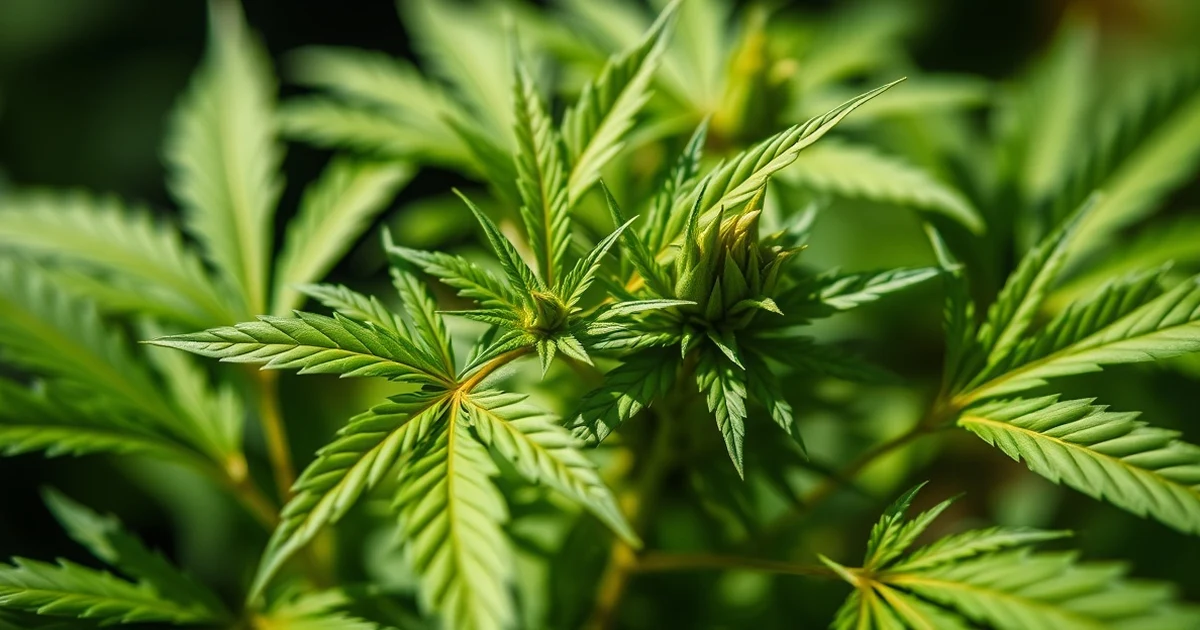
Cannabichromene — better known as CBC (cannabichromene) — is the third most abundant cannabinoid in cannabis, yet it remains among the least studied and least understood. As cannabis research matures beyond THC and CBD, CBC is emerging as a scientifically interesting compound with a distinct receptor profile and a range of potential therapeutic properties.
\n\nThis guide covers everything currently known about CBC: how it is formed, how it interacts with your body, what early research suggests about its effects, and what distinguishes it from the cannabinoids you already know.
\n\nWhat Is CBC?
\n\nCannabichromene (CBC) is a phytocannabinoid — a cannabinoid produced by the cannabis plant — that shares a biosynthetic origin with CBD and THC. All three originate from cannabigerolic acid (CBG (Cannabigerol)A), the precursor cannabinoid often called the "mother of all cannabinoids."
\n\nEnzymatic action converts CBGA into three cannabinoid precursors: THCA, CBDA, and CBCA. Heat (through decarboxylation) converts CBCA into CBC, just as it converts THCA into THC and CBDA into CBD.
\n\nCBC is non-psychoactive — it does not produce the intoxicating effects associated with THC. This is because CBC does not bind significantly to CB1 receptors in the brain, which mediate THC's psychoactive effects.
\n\n
How CBC Works in the Body
\n\nCBC's mechanism of action differs meaningfully from both THC and CBD, making it genuinely interesting from a pharmacological perspective.
\n\nTRP Channel Interactions
\nCBC's primary mechanism involves transient receptor potential (TRP) channels — specifically TRPA1 and TRPV4. These channels are involved in pain perception, inflammation signaling, and sensory function. By activating TRPA1 channels, CBC may increase endocannabinoid levels (particularly anandamide) by inhibiting its breakdown, producing indirect endocannabinoid-enhancing effects.
\n\nMinimal CB1 and CB2 Binding
\nUnlike THC (CB1 agonist) and CBD (indirect modulator), CBC has low affinity for both CB1 and CB2 receptors. This receptor profile means CBC does not produce psychoactive effects and may modulate the endocannabinoid system through entirely different pathways than the cannabinoids most studied to date.
\n\nPotential Synergy with Other Cannabinoids
\nCBC is frequently cited in discussions of the entourage effect — the hypothesis that cannabinoids and terpenes work synergistically. Some research suggests CBC may enhance the effects of other cannabinoids by modulating endocannabinoid system activity through its TRP channel interactions.
\n\n
What Research Suggests About CBC's Effects
\n\nMost CBC research to date has been conducted in animal models or cell cultures, so findings must be interpreted cautiously before application to human health claims. With that caveat, here is what the research currently suggests:
\n\nAnti-Inflammatory Properties
\nA 2010 study published in the British Journal of Pharmacology found that CBC demonstrated anti-inflammatory activity, potentially through mechanisms distinct from COX inhibition (the pathway used by common NSAIDs like ibuprofen). CBC appeared to reduce inflammation-related edema in the study model.
\n\nPain Modulation
\nThe same study found that CBC modulated pain perception, though the mechanism appears to be indirect — enhancing endocannabinoid levels rather than directly activating pain receptors. When combined with THC, the anti-inflammatory and analgesic effects appeared synergistic.
\n\n
Neurogenesis and Brain Health
\nA 2013 study in Neurochemistry International provided some of the most intriguing CBC findings: CBC appeared to increase the viability of adult neural stem progenitor cells (NSPCs) — cells essential for brain health maintenance and potentially neurogenesis. The researchers suggested this effect may contribute to the overall therapeutic potential of cannabis preparations containing CBC.
\n\nThis finding is particularly notable because many other psychoactive drugs have the opposite effect on neural progenitor cells. The potential neuroprotective implications of CBC are an active area of interest in cannabis science.
\n\nAntidepressant Properties (Animal Studies)
\nResearch published in Psychopharmacology examined the antidepressant effects of isolated cannabinoids, finding that CBC contributed to the overall mood-elevating effects observed in full-spectrum cannabis preparations. The study used a forced swim test model in mice — a standard but imperfect predictor of human antidepressant response.
\n\nAntibacterial Activity
\nA 2008 study in the Journal of Natural Products tested multiple cannabinoids against Staphylococcus aureus, including methicillin-resistant Staphylococcus aureus (MRSA). CBC demonstrated potent antibacterial activity comparable to established antibiotic references in laboratory conditions. The implications for therapeutic use remain to be determined through further research.
\n\nGut Motility
\nResearch has examined CBC's effects on gut function, finding that it may influence intestinal hypermotility (overactive gut contractions) without producing the psychoactive effects associated with THC-based gut medicines. This is an emerging area relevant to IBS and IBD research.
\n\nCBC vs. CBD vs. CBG: Key Differences
\n\n
Understanding how CBC relates to the better-known non-psychoactive cannabinoids:
\n\n- \n
- CBC vs. CBD: Both are non-psychoactive. CBD is far more studied and available. CBD primarily works through indirect endocannabinoid system modulation. CBC works primarily through TRP channels. They may have complementary mechanisms when used together. \n
- CBC vs. CBG: CBG (cannabigerol) is the direct precursor to CBC's precursor (CBGA). CBG binds directly to CB1 and CB2 receptors. CBC avoids these receptors, using TRP channels instead. Both are non-psychoactive minor cannabinoids with emerging research interest. \n
- CBC vs. THC: THC is psychoactive; CBC is not. THC binds potently to CB1; CBC has very low CB1 affinity. In combination, CBC may modulate some of THC's effects through endocannabinoid tone elevation. \n
How Much CBC Is in Cannabis?
\n\nCBC is typically found in concentrations of 0.3-1% in most commercial cannabis strains — significantly lower than THC and CBD in THC-dominant or CBD-dominant cultivars. Some specific strains have been selectively bred for higher CBC content, but dedicated high-CBC cultivars are not yet widely available commercially.
\n\nHemp varieties generally contain more CBC relative to their THC content than high-THC cannabis. Some CBD hemp extracts naturally contain meaningful amounts of CBC, particularly full-spectrum products.
\n\nCBC concentrations decrease with age and heat exposure, similar to other cannabinoids. Proper storage (cool, dark, airtight) preserves CBC content better than warm or light-exposed storage.
\n\nCBC Products: Current Market Landscape
\n\nDedicated CBC products remain relatively niche compared to CBD products. The current market includes:
\n\n- \n
- Full-spectrum hemp extracts: The most accessible source of CBC alongside other minor cannabinoids. Quality full-spectrum products will list CBC on their Certificate of Analysis. \n
- CBC isolate: Available from some specialty cannabinoid suppliers, used primarily in research and product formulation. \n
- Combination products: Some manufacturers are creating multi-cannabinoid products combining CBD, CBG, and CBC based on entourage effect rationale. \n
What CBC Research Still Needs
\n\nThe honest limitation of current CBC science is that almost everything known about its effects comes from animal studies and cell cultures. Human clinical trials on CBC are extremely limited. The jump from "CBC shows X effect in mouse studies" to "CBC will produce X effect in humans" is not automatic.
\n\nThe promising findings — neuroprotection, anti-inflammatory effects, antibacterial activity, potential antidepressant contributions — warrant continued research but should not be overstated as proven human health benefits. As the cannabis research landscape matures and regulatory frameworks evolve, dedicated CBC clinical trials are increasingly likely.
\n\nFor now, CBC is best understood as a scientifically interesting minor cannabinoid with a distinct receptor profile and promising preliminary findings — one component of a complex plant whose full pharmacological picture is still being discovered.
Related Articles
Frequently Asked Questions

Written by
The Green Treasure Editorial Team
Independent cannabis journalism backed by science. We cover terpenes, vaporizers, edibles, growing and health.
Stay in the green loop
Expert guides, terpene science, growing tips, and gear reviews — delivered to your inbox. No spam, ever.
No spam. Unsubscribe anytime.