Cannabutter Dosage Guide: Calculating Edible Dosage and Infusions
Making homemade edibles can be incredibly rewarding, but inconsistent potency remains the number one complaint among home cooks. One batch hits perfectly while the next barely registers—or worse, sends you into an overwhelming experience you didn’t sign up for.
This cannabutter dosage guide provides the math, methods, and practical know-how to calculate edible dosage accurately. Whether you’re working with butter or coconut oil, you’ll learn how to achieve recipe consistency and safe dosing every time.
Overview of Cannabis Edibles and Cannabutter
Cannabis edibles encompass any food products infused with cannabinoids, from baked goods to savory dishes to beverages. Cannabutter—sometimes called weed butter—serves as the foundation for most homemade edibles, created by infusing melted butter with decarboxylated cannabis flower.
The purpose of this guide centers on three goals:
Calculating precise potency to avoid overconsumption
Ensuring batch-to-batch consistency
Establishing safe dosing practices
Up to 30% of novice users report adverse effects from edibles, primarily from improper dosing. The “start low and go slow” approach isn’t just advice—it’s essential.
Key Terms: Cannabis Flower, THC, CBD
Understanding the basics helps you make informed decisions throughout the process.
Cannabis flower refers to the dried buds of the marijuana plant, rich in trichomes containing cannabinoids. These buds contain acidic compounds (THCA and CBDA) that require heat activation through decarboxylation before becoming psychoactive.
THC (tetrahydrocannabinol) is the primary psychoactive compound responsible for euphoria, pain relief, and appetite stimulation. It binds to CB1 receptors in your brain’s endocannabinoid system. When consumed through edibles, your liver converts THC into 11-hydroxy-THC, which can produce stronger, longer-lasting effects compared to smoking.
CBD (cannabidiol) works non-psychoactively, offering anti-inflammatory and anxiolytic health benefits without intoxication. Many users seek strains with specific mg CBD ratios to balance THC’s psychoactivity.

How Many Milligrams: Edible Dosage Basics
In edibles, milligrams represent the absolute quantity of active THC or CBD delivered per serving. This matters because edible bioavailability ranges from just 4-12%, compared to 30-50% when smoking.
Recommended ranges:
Experience Level | THC per Serving | Expected Effects |
|---|---|---|
Beginner | 2.5–10 mg | Mild euphoria, relaxation |
Regular user | 10–25 mg | Moderate effects, pain relief |
Experienced | 25–50+ mg | Strong effects (higher risk) |
When consuming edibles, the ideal dose will vary based on body weight, tolerance, metabolism, and age. Most users find their sweet spot somewhere in these ranges, but individual responses differ significantly.
Wait 60–120 minutes before redosing. Edibles can take 2-4 hours to peak and last 6-12 hours. Emergency rooms link 70% of cannabis-related visits among novices to edible overconsumption from impatient redosing.
Calculating Potency: Ratios and Math
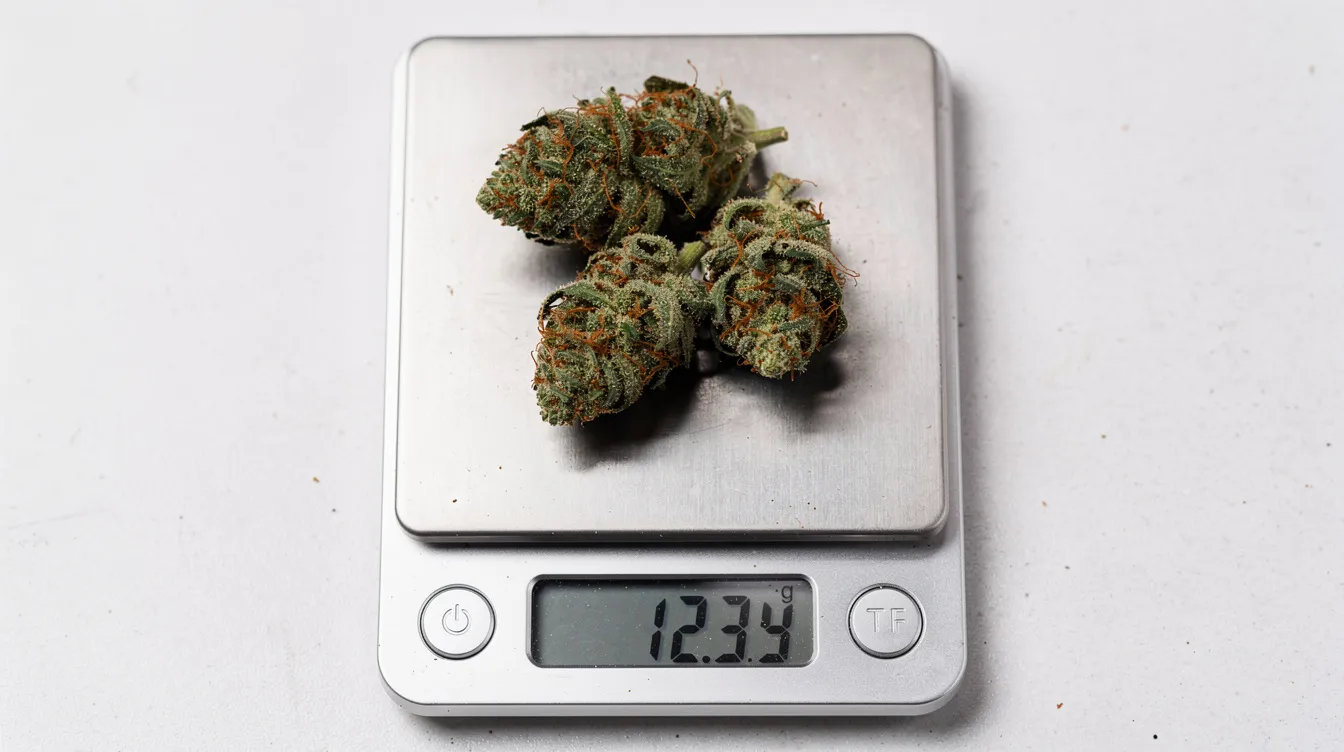
Understanding how much cannabis to use and calculating total milligrams requires accounting for several efficiency factors.
Formula for total mg in a batch:
Cannabis weight (g) × 1000 = mg of flower
× THC percentage (decimal) = raw THC content
× 0.877 (THCA-to-THC conversion)
× decarb efficiency (typically 0.70–0.90)
× infusion efficiency (typically 0.60–0.90)
Example calculation:
28g flower at 17% THC
28 × 1000 × 0.17 = 4,760 mg THCA
× 0.877 = 4,175 mg THC post-decarb
× 0.80 decarb efficiency = 3,340 mg
× 0.75 infusion efficiency = 2,505 mg total
Per-serving calculation:
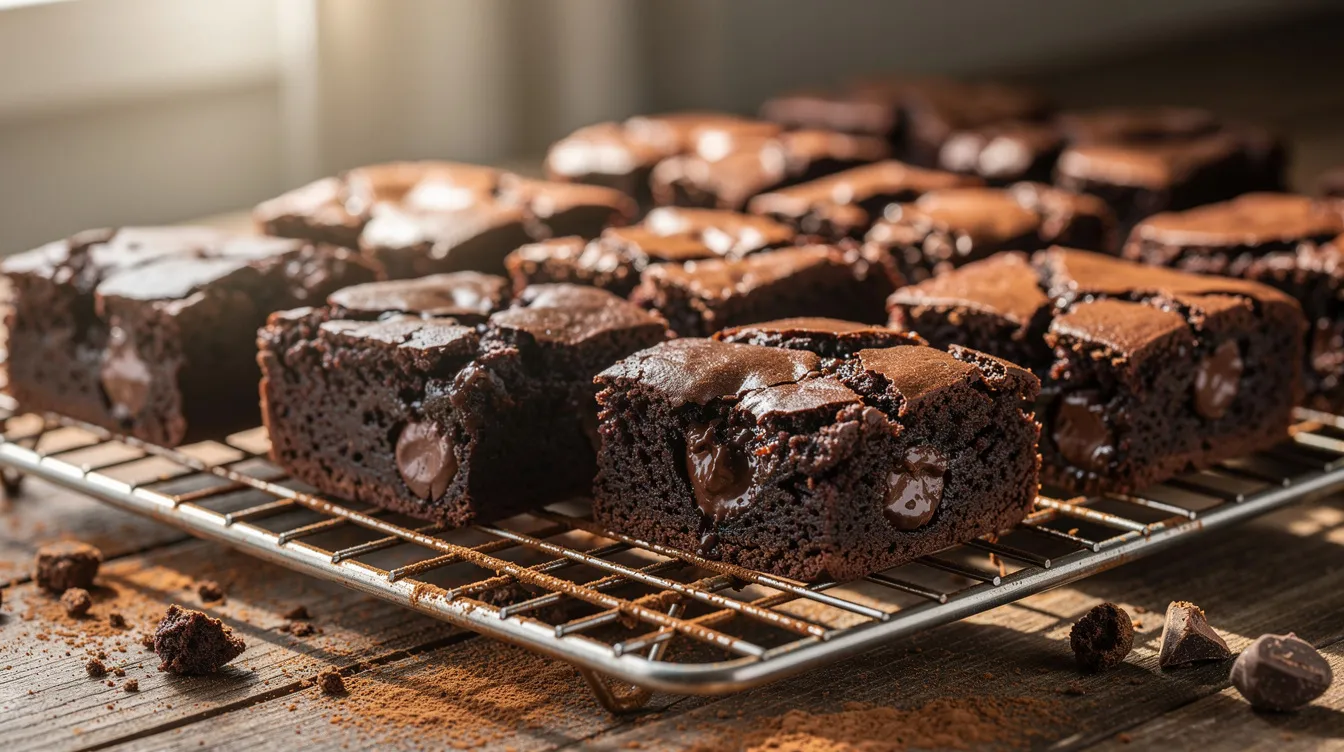
Divide total batch mg by number of servings. If you make 24 brownies with 2,505 mg total cannabutter:
2,505 ÷ 24 = ~104 mg per brownie
That’s far too potent for most users. You’d substitute regular butter for a portion of the cannabutter to reduce per-serving potency.
Using a Cannabutter Ratio Calculator with Coconut Oil Option
Online calculators streamline these calculations, but they require accurate inputs:
Cannabis strain thc percentage (use lab-tested COA if available)
Flower weight in grams (1 oz ≈ 28.35g)
Butter or oil weight (one cup butter = 227g; one cup coconut oil = 216g)
Recipe servings
Desired mg per serving
Unit conversions matter: 1 tablespoon butter = 14g. Getting these wrong can inflate your potency estimates by a factor of 10.
Coconut oil affects infusion efficiency significantly due to its higher saturated fat content (92% vs. butter’s 63%). This means it extracts 10-15% more cannabinoids than butter under similar conditions.
Test a 1/10th scale pilot batch first. Real-world efficiency often runs 10-20% below calculator estimates.
Ingredients and Equipment: Butter, Coconut Oil, and More
Quality ingredients and proper tools determine your success when making cannabutter.
Recommended fats:
Unsalted butter (82% fat content) – Use one cup per 7-14g of flower. Avoid salted varieties as salt can interfere with extraction.
Coconut oil – Superior extraction due to MCT chains. Refined versions minimize coconut flavor for neutral-tasting infusions.
Olive oil works but extracts less efficiently due to lower saturated fat content.
Essential equipment:
Tool | Purpose |
|---|---|
Oven | Decarboxylation |
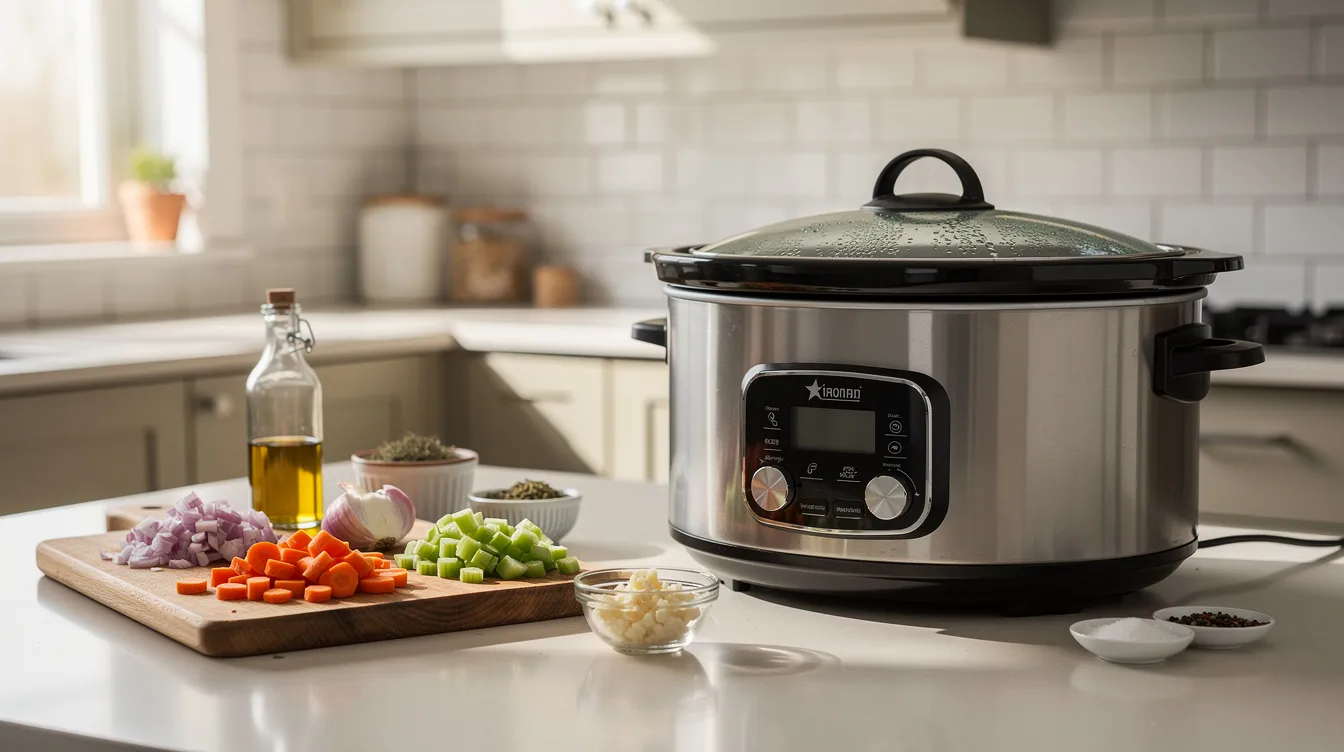
Slow cooker | Low heat infusion |
Fine mesh strainer/cheesecloth | Filtering plant material |
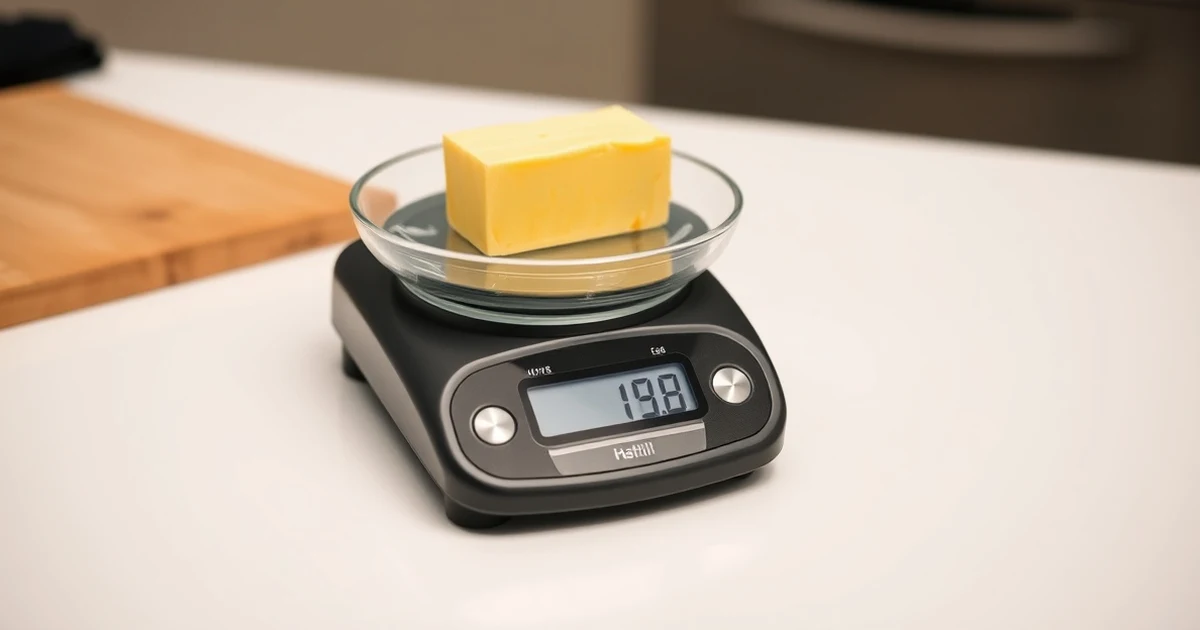
Digital kitchen scale (0.1g precision) | Accurate measurements |
Oven thermometer | Temperature verification |
Volumetric measures like cups can vary 10-20% by packing density. A scale eliminates this inconsistency.
Decarboxylation: Prep Cannabis Flower for Infusion
Decarboxylation activates the cannabinoids in your cannabis through controlled heat exposure. Skip this step, and your cannabutter will have minimal psychoactive effect.
Process:
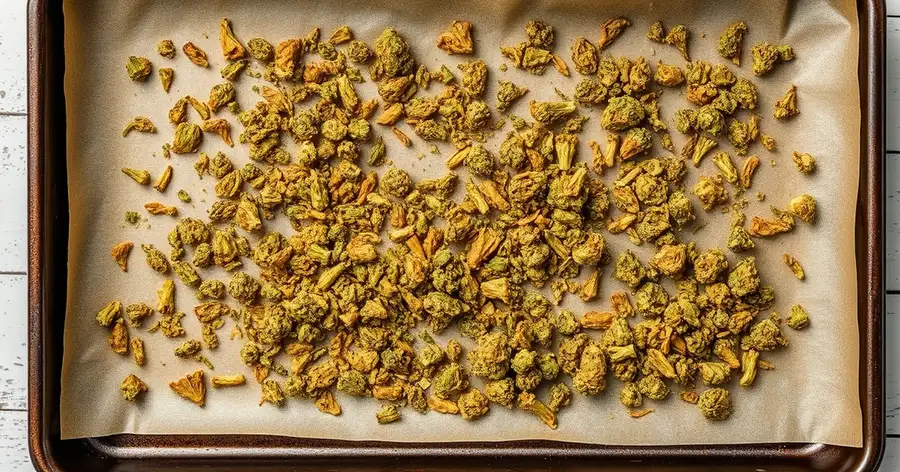
Preheat oven to 240°F (220-245°F acceptable range)
Coarsely break buds—avoid grinding to powder
Spread on parchment-lined baking sheet
Bake 30-45 minutes, stirring midway
Use an oven thermometer. Built-in gauges can err by 25°F, and overheating above 250°F degrades THC by 20-30%.
After decarbing, break the decarbed weed into pea-sized pieces. This maximizes surface area for extraction while minimizing chlorophyll bitterness in your final infusion.
Infusion Methods: Stovetop, Slow Cooker, and Coconut Oil
Several methods work for the infusion process. Choose based on your available equipment and desired hands-on time.
Stovetop method:
Use a double boiler to maintain low heat
Simmer decarbed flower in butter at 160-200°F
Cook 2-3 hours, stirring occasionally
Strain while hot
Slow cooker method:
Set to low (approximately 190°F)
Infuse 4-12 hours for standard potency
Extended 12-24 hour cycles maximize extraction to 80-90%
Adding water (one cup per pound butter) prevents scorching and aids separation
Coconut oil benefits:
Coconut oil remains stable at higher temperatures (200-250°F) and yields clearer product with 10-15% higher concentration. Its saturated fat structure extracts lipophilic cannabinoids more effectively.
After straining, refrigerate your infusion. The fat solidifies on top while any water collects below for easy discard.
Measuring and Testing Potency
Calculator estimates provide starting points, but actual potency often differs. Testing confirms your real-world results.
Home testing method:
Make a small 1/4 batch
Consume 0.5-1 teaspoon increments
Wait 2 hours before assessing effects
Use felt intensity to estimate mg per teaspoon
Lab testing:
Services using gas chromatography provide exact mg/g measurements for $50-100 per sample. This reveals discrepancies—often 20-40% under calculator estimates from incomplete extractions.
Adjust future batches accordingly. If your batch tested 20% under target, increase flower by 15-25% or extend your infusion time for the next mix.
Recipes and Serving Guidelines for Cannabis Edibles
Simple recipes help you master the basics before attempting complex creations.
Starter recipe ideas:
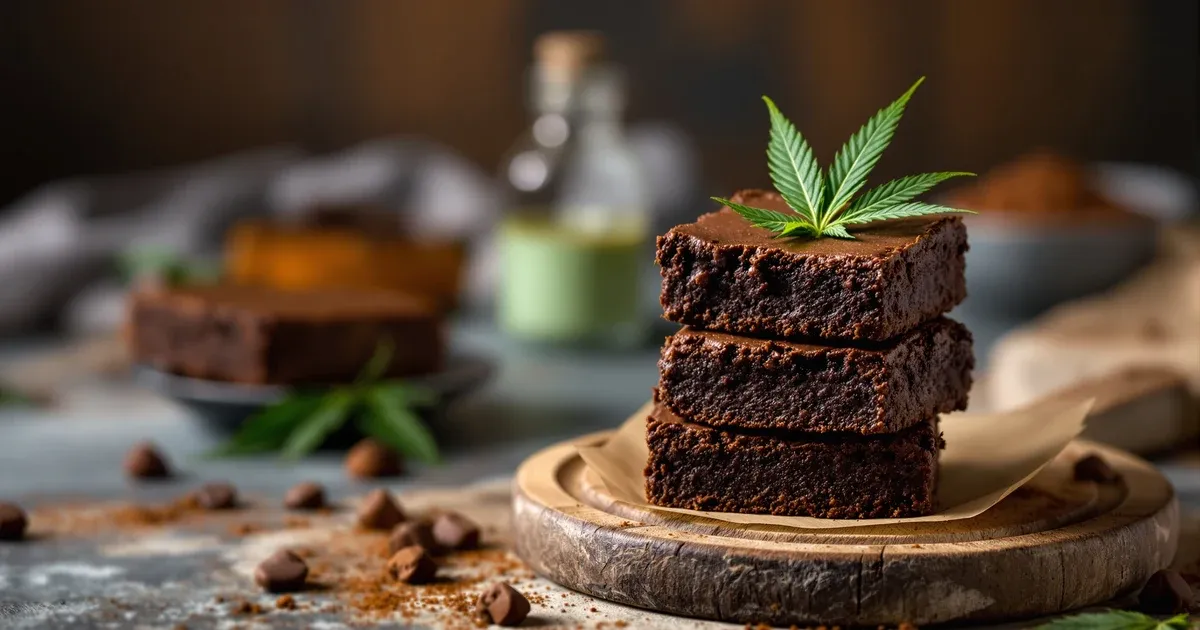
Cannabutter brownies (bake at standard temperatures)
Peanut butter fudge
Infused honey for tea
Cannabis-infused pasta sauces for savory dishes
Calculate servings:
Total mg ÷ number of portions = mg per serving
For a batch with 240 mg total divided into 24 brownies: 10 mg each.
Labeling is critical: Mark each serving with its potency. Write “10 mg THC” directly on packaging to prevent confusion.
Low-dose modifications:
Cut cannabutter in half, substituting regular butter for the remainder. This aligns with microdosing trends (2.5 mg servings) popular for daily wellness—some users report better focus and a good night’s sleep without impairment.
Troubleshooting: Weak Cannabutter and Fixes
Weak batches frustrate even experienced makers. Statistics suggest 40% of home infusions underperform.
Common mistakes and causes:
Under-decarboxylation (raw flower yields <20% activation)
Short infusion time (<4 hours loses 30% cannabinoids)
Too-fine grind (leaches chlorophyll over potency)
Low-fat butter variety
Consuming too much cannabis material that wasn’t properly processed
Fixes:
Re-infuse strained flower in fresh butter (recovers 40-60% of remaining cannabinoids)
Extend slow cooker time to 18-24 hours (+25% yield)
Add more butter in your next batch
Use concentrates: Adding distillate at 1:10 ratio boosts weak batches precisely without reprocessing
Storage, Labeling, and Safety for Edible Dosage
Proper storage maintains potency while clear labeling prevents accidents.
Storage timelines:
Method | Duration | Notes |
|---|---|---|
Refrigeration | 2-4 weeks | Use airtight container; expect 10% weekly potency loss |
Freezing | 6-12 months | Silicone molds or bags; THC stable below -10°F |
Labeling requirements:
Include on every container:
Strain name
Date made
Total milligrams
Per-serving mg
“KEEP FROM CHILDREN AND PETS” warning
Child cannabis ingestions rose 150% post-legalization according to Poison Control data. Use child-proof locks and opaque containers that don’t resemble regular food products.
Store alcohol tinctures and other food products separately from regular pantry items.
Legal, Medical, and Consumption Tips
Responsible use extends beyond accurate dosing.
Legal considerations:
Check local laws—most U.S. markets cap servings at 5-10 mg THC
Canada limits at 10 mg per serving
Labeling requirements vary by jurisdiction
Medical considerations:
THC interacts with blood thinners, SSRIs, and other medications. Consult a healthcare provider before making cannabutter if you:
Take prescription medications
Are 65+ years old
Have cardiovascular or liver conditions
High proof alcohol extractions for tinctures carry additional considerations beyond this guide’s scope.
Tracking tolerance:
Keep a dose journal noting:
Date and time
Strain used
Dose consumed
Onset time
Effects duration
Overall experience
Review quarterly and adjust dosing as tolerance builds—typically 20-50% increases over time.
Key Takeaways
This cannabutter dosage guide equips you with everything needed for consistent, safely dosed homemade edibles:
Start with accurate thc percentage data from lab-tested sources when possible
Use the formula to calculate how many milligrams your batch contains
Test pilot batches before committing to full recipes
Label everything clearly with mg per serving
Store properly and keep all infused butter away from children and pets
The difference between an enjoyable experience and an overwhelming one often comes down to simple math and patience. Calculate your potency, start low, wait before redosing, and you’ll build the confidence to create perfectly dosed cannabis edibles every time.
Start your first small batch this week—grab your scale, determine your flower’s potency, and run the numbers before you cook.
Related Articles
Frequently Asked Questions

Written by
The Green Treasure Editorial Team
Independent cannabis journalism backed by science. We cover terpenes, vaporizers, edibles, growing and health.
Stay in the green loop
Expert guides, terpene science, growing tips, and gear reviews — delivered to your inbox. No spam, ever.
No spam. Unsubscribe anytime.