Cannabutter Color Chart: Determine Potency and Quality at a Glance
Wondering what the color of your cannabutter says about its quality? This cannabutter color chart will help you understand the different shades and what they indicate about the infusion process and potency. If you need a refresher on making it, see our guide on how to make cannabutter. Let’s dive in to make sure your cannabutter is just right.
Key Takeaways
The color of cannabutter does not correlate with its potency, although it can indicate quality; a rich green hue suggests thorough infusion and a balanced cannabinoid and terpene profile.
Key factors affecting cannabutter color include the cannabis strain, decarboxylation process, and infusion method, all of which influence potency and flavor.
Proper storage and infusion techniques are essential for maintaining cannabutter’s color, consistency, and potency, emphasizing the importance of temperature control and avoiding overheating.
The Importance of Cannabutter Color
One of the most common misconceptions in the world of cannabis edibles is the belief that the color of cannabutter directly indicates its potency. Many assume that a darker green hue signifies a stronger, more potent product, while a lighter shade suggests a weaker one. This belief, however, is flawed. The color of cannabutter does not correlate with its THC content or overall potency.

Despite these common beliefs, the color of cannabutter can still offer valuable insights into its quality. For instance, the comparison between green and pale yellow shades often comes up in discussions about cannabutter. Green cannabutter is typically associated with higher chlorophyll content from the cannabis plant, while pale yellow cannabutter indicates a cleaner separation from plant material.
The ideal color for finished cannabutter should be a rich green. This hue suggests that the infusion process was thorough and that the cannabutter contains a balanced mix of cannabinoids and terpenes. However, it’s essential to remember that the shade alone does not determine how potent your cannabutter will be, making other factors such as strain and preparation method equally crucial.

Factors Influencing Cannabutter Color
Several elements play a crucial role in determining the color of your cannabutter. One of the primary factors is the strain of cannabis used. Different strains have varying cannabinoid profiles, which not only affect the potency but also the resulting color of the cannabutter. When selecting a strain, focus on its potency, flavor profile, and potential effects to achieve the desired outcome.
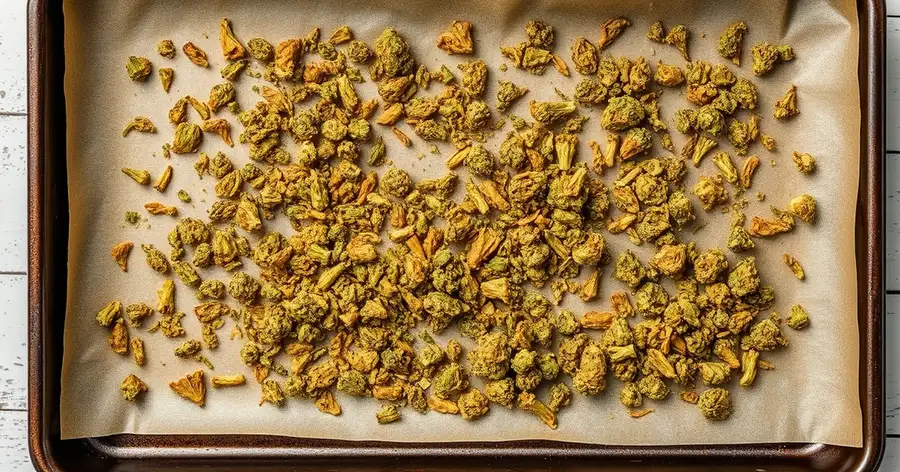
The decarboxylation process is another vital step that influences the color of cannabutter. Heating the cannabis converts THCA into THC, boosting potency and influencing the final product’s color. This transformation of inactive cannabinoids into active ones is crucial for achieving the desired effects in your edibles.
The infusion technique, including temperature control, also plays a significant role in the final color of your cannabutter. Using a slow cooker or crock pot helps regulate temperature, crucial for maintaining the intended color and potency. Overheating can degrade cannabinoids and lead to a less desirable brownish tint.
High-quality cannabis boosts both potency and the overall flavor profile of the infused weed butter. Quality cannabis ensures a potent and palatable final product, enhancing your cannabutter recipes.
Cannabutter Color Chart: Visual Guide
A cannabutter color chart visually guides you in gauging the quality and potency of your cannabutter based on its color. This chart is not a definitive measure of potency but rather a helpful tool to assess the infusion process.

Light green cannabutter usually signals low potency and potential under-infusion. This shade suggests that the infusion process may not have been thorough enough, resulting in a weaker final product. While this might be suitable for novice users, it may not deliver the desired effects for more experienced consumers.
Medium green cannabutter made with ground cannabis indicates moderate THC levels. This shade is ideal for beginners or those preferring a milder experience. It indicates a balanced infusion that can provide a pleasant experience without overwhelming effects.
Dark green cannabutter generally indicates high potency. This shade suggests a thorough infusion and significant cannabinoid content. Regular consumers who seek a more potent product often prefer dark green cannabutter.
Decoding Green Shades in Cannabutter
Different shades of green in cannabutter offer visual cues about its potency and the infusion process’s effectiveness. Spoiler alert: recognizing these shades helps in achieving the desired effects in your edibles.
Light green cannabutter often signifies insufficient cannabis infusion. This shade suggests that the cannabis did not infuse adequately with the butter, resulting in a lower concentration of cannabinoids. If you notice this color, it might be worth revisiting your infusion process to ensure thoroughness.
Conversely, a darker green hue generally indicates higher potency. This shade suggests that the infusion was successful and that the cannabutter contains a significant amount of THC and other cannabinoids. Regular consumers who seek stronger effects often prefer this darker shade.
A brownish green tint may signal very high potency but could also indicate overheating during infusion. Overheating degrades THC and other cannabinoids, resulting in a less effective product. Maintaining proper temperature during infusion is crucial to avoid this problem.
Achieving Desired Cannabutter Consistency
Perfect consistency is essential for cannabutter’s usability in various recipes. Key points for infusion include:

Use low heat during infusion to preserve cannabinoids and achieve a desirable texture.
Avoid cooking cannabis at temperatures exceeding 245°F (118°C) as it can destroy cannabinoids and terpenes.
High temperatures lead to a less effective product.
A double boiler for gentle heating helps achieve a smooth texture. This method:
Ensures even heating
Prevents high temperatures that could degrade quality Adding water during infusion helps:
Maintain temperature control
Prevent burning.
Straining cannabutter through a fine mesh strainer or a metal strainer eliminates remaining plant particles, resulting in a smoother product. Crock-Pots, effective for prolonged infusion, regulate temperature well and help achieve a consistent texture.
Tips to Avoid Common Mistakes in Making Cannabutter
Making cannabutter is delicate; avoiding common mistakes is crucial for the best results. Overheating is one of the most significant risks during cannabutter making. Excessive heat can turn cannabutter brown, indicating THC and other cannabinoids have been destroyed. To prevent this, maintain low heat and prolong the simmering time.
Proper strain and dosage selection are crucial:
Too much cannabis in a recipe can result in overpowering flavors and undesirable effects.
Accurately measuring how much cannabis is important.
Choosing strains that match your desired potency and flavor profile is essential.
Labeling cannabutter is a simple but crucial step. Proper labeling helps monitor potency and prevent accidental consumption, ensuring users know what they’re getting.
Enhancing Flavor While Maintaining Quality
Enhancing cannabutter flavor without compromising potency or quality is an art. Specific strains with desirable terpenes enhance both flavor and color. Strains with citrus or fruity profiles can add a pleasant taste to your edibles.

Strong flavors like chocolate, caramel, or spices can mask the herbal taste of cannabis in making edibles. These flavors complement the natural taste of cannabutter, making recipes more enjoyable.
Citrus extracts like orange or lemon effectively counteract the herbal taste of cannabis in baked goods. These extracts enhance flavor and provide a refreshing twist to recipes.
Recipes Featuring Perfectly Colored Cannabutter
Cannabutter transforms a wide range of dishes, both savory and sweet. Cannabutter in savory dishes like grilled steak enhances flavor and adds a unique twist.
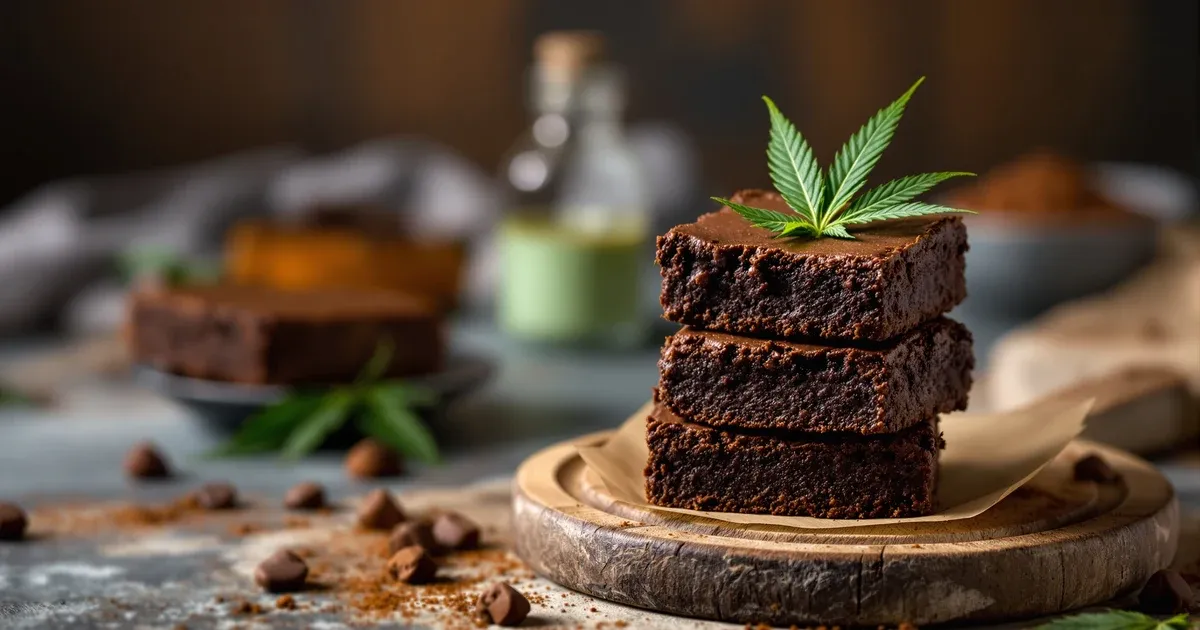
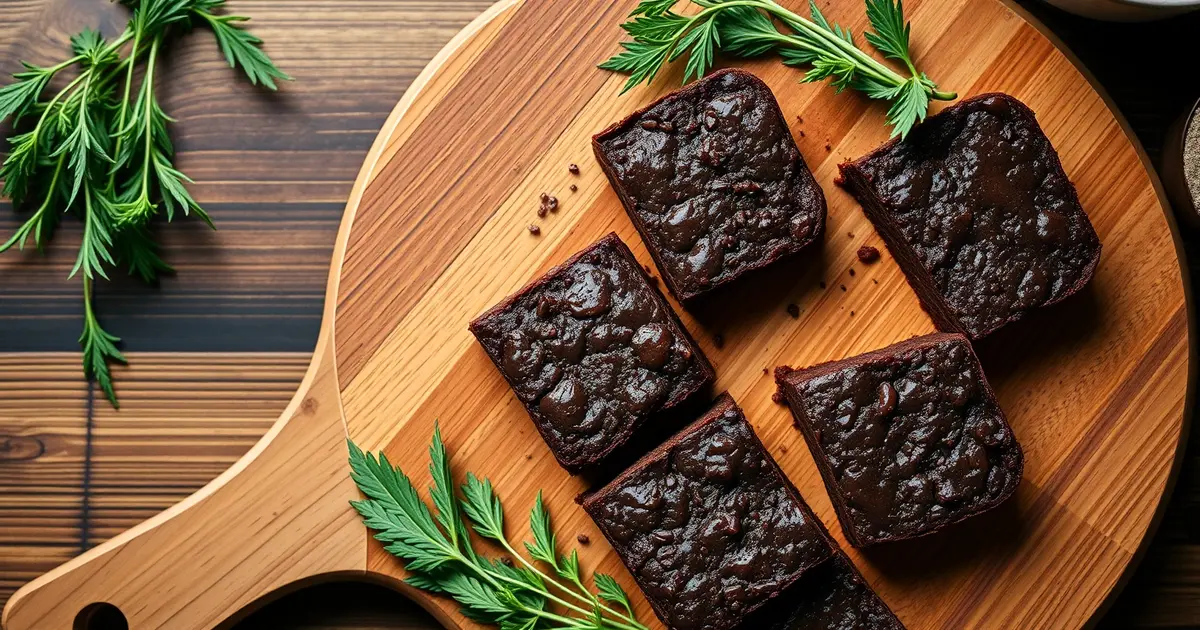
For snacks and desserts, use cannabutter in recipes like cannabis puppy chow, buttermints, brownies, and cookies. These treats taste great and provide the desired effects of cannabis edibles.
Cannabutter’s versatility allows it to replace regular butter in most recipes, easily infusing your favorite dishes with cannabis. Whether cooking with cannabutter to make rice krispie treats, fudge, or garlic bread, cannabis butter adds a delightful and potent twist to culinary creations. For more tips, check out our free cannabutter resource guide.
Storing Your Cannabutter Correctly
Proper storage maintains cannabutter’s color, consistency, and potency over time. An airtight container prevents air exposure and preserves cannabutter’s aroma and flavor.

Storing cannabutter in a cool, dry place away from heat sources maintains its consistency and potency. Refrigerating cannabutter extends freshness, but it should be tightly sealed to avoid moisture buildup.
Freezing is effective for long-term cannabutter storage. Sealed and stored away from direct light, cannabutter retains cannabinoids and terpenes, ensuring it remains potent and effective.
Summary
Understanding the nuances of cannabutter color, consistency, and storage can significantly enhance your cannabis cooking experience. From selecting the right strain to maintaining proper infusion techniques, every step plays a crucial role in creating high-quality cannabutter.
By following this guide, you can avoid common mistakes, enhance the flavor of your cannabutter, and store it correctly to maintain its potency. Embrace the art of making cannabutter and enjoy the delightful journey of creating your own cannabis-infused culinary masterpieces.
Related Articles
Frequently Asked Questions
The color of cannabutter does not indicate its potency; rather, potency is determined by the strain used, decarboxylation process, and infusion technique. Therefore, the visual appearance should not be relied upon as a measure of effectiveness.
To achieve the perfect consistency for your cannabutter, maintain low heat during infusion, utilize a double boiler, and strain the mixture through a fine mesh. This method ensures a smooth texture and optimal results.
If your cannabutter turns brown, it likely means it was overheated. To prevent this, ensure you keep the heat low and consider adding water during the infusion process.
To improve the flavor of your cannabutter, consider using specific strains rich in terpenes and incorporating strong flavors such as chocolate, spices, or citrus extracts. These additions can significantly enhance its overall taste.
The best way to store cannabutter is in an airtight glass container, kept in a cool, dry place away from direct light; refrigeration or freezing is recommended to prolong its freshness and potency.

Written by
The Green Treasure Editorial Team
Independent cannabis journalism backed by science. We cover terpenes, vaporizers, edibles, growing and health.
Stay in the green loop
Expert guides, terpene science, growing tips, and gear reviews — delivered to your inbox. No spam, ever.
No spam. Unsubscribe anytime.