CBD vs THC Differences: A Clear Guide to Understanding Both Cannabinoids
Many people wonder about the key differences between CBD and THC, particularly the CBD vs THC differences. While both are what is THCVs found in cannabis, they affect the body in distinct ways. CBD is known for its therapeutic benefits and is non-psychoactive, making it appealing for medical use. On the other hand, THC is psychoactive and creates the ‘high’ associated with marijuana. In this article, we dive into the detailed differences between CBD and THC, covering their effects, uses, and legal aspects.
Key Takeaways
CBD and THC are distinct cannabinoids with different chemical structures and properties, where CBD is non-psychoactive and THC is psychoactive.
Both cannabinoids have shown potential medical benefits, including pain relief and management of anxiety, with their combined use enhancing therapeutic outcomes.
Legal regulations for CBD and THC vary significantly across states, affecting their availability and consumer access, particularly with THC’s classification as a Schedule I substance.
Understanding CBD and THC
CBD and THC are both cannabinoids derived from the cannabis plant, each exhibiting unique characteristics and effects. While they come from the same species, they serve different roles in the world of medical cannabis. CBD, or cannabidiol, typically originates from the hemp plant, known for its low THC content. This distinction is crucial as it affects their legal status and psychoactive properties.

The marijuana plant, which produces more THC, is often associated with recreational use due to its psychoactive effects. Meanwhile, the hemp plant’s higher CBD content makes it a popular choice for therapeutic applications.
Despite their differences, both cannabinoids have shown potential health benefits, and studies suggest their inclusion in various accepted medical cannabis products for medical purposes.
Chemical Structure
At the molecular level, CBD and THC share the same chemical formula: C21H30O2. However, the arrangement of their atoms differs, leading to significant variations in their properties and effects. This distinct atomic arrangement is what makes THC the main psychoactive ingredient in cannabis, while CBD remains non-psychoactive.
The unique structure of THC allows it to bind with the CB1 receptors in the brain, contributing to its psychoactive effects. In contrast, CBD’s different atomic arrangement inhibits this direct binding, resulting in therapeutic benefits without the high.
Understanding this difference is key to grasping how each cannabinoid affects the body.
Psychoactive Properties
THC is known for its psychoactive properties, being the main component responsible for the euphoric feeling, or “high,” associated with marijuana use. It activates brain regions tied to pleasure, which can lead to a sense of euphoria, relaxation, and altered sensory perception. This makes THC a popular choice for those seeking to feel high recreational use.
On the other hand, CBD is non-psychoactive, meaning it does not induce the feeling of being high. A common misconception is that CBD will get users high, similar to marijuana, but this is not the case. Instead, CBD offers potential health benefits without altering the user’s mental state, making it an attractive option for therapeutic applications.

Medical Benefits of CBD and THC
CBD is renowned for its therapeutic benefits, particularly in managing conditions such as anxiety and chronic pain. CBD oils and THC tinctures provide a convenient way to dose and manage symptoms, supporting various medical conditions. These cannabinoids can modulate each other’s effects, enhancing the overall therapeutic outcomes.
The interaction between CBD and THC can significantly influence how other cannabinoids behave, creating a synergistic effect that amplifies their benefits. This synergy is particularly beneficial for individuals using medical cannabis to alleviate symptoms of various conditions.
Chronic Pain Management
Chronic pain can severely impact the quality of life, and both CBD and THC have been found to provide relief through different mechanisms. Topical applications of these cannabinoids are commonly used for localized relief of pain and inflammation. These applications deliver targeted relief but have limited systemic effects, making them ideal for specific pain points.
Edibles such as gummies or chocolates offer a convenient way to consume CBD or THC, providing longer-lasting effects suitable for managing chronic pain. Selecting the right consumption method can enhance the effectiveness of these cannabinoids in pain management.
Anxiety and PTSD
Research indicates that CBD may be beneficial in alleviating symptoms of anxiety and post traumatic stress disorder. CBD’s ability to significantly lower anxiety levels makes it a promising option for individuals with conditions like post traumatic stress disorder, offering a calming effect without the psychoactive side effects of THC.
For those suffering from PTSD, CBD has shown potential in reducing anxiety levels and improving sleep quality. These benefits highlight CBD’s role in providing relief without the high, making it accessible for those needing therapeutic support for these conditions.
Other Medical Conditions
CBD and THC have shown promise in treating various other medical conditions. Epidiolex, a CBD-based medication, is approved for treating certain types of epilepsy and tuberous sclerosis. This FDA-approved medicine has proven effective in reducing seizures in conditions like Dravet syndrome and Lennox-Gastaut syndrome.
THC, on the other hand, has been beneficial for conditions like multiple sclerosis, where it helps reduce muscle spasticity. Beyond these conditions, cannabinoids have been studied for their potential to alleviate symptoms of Crohn’s disease, nausea caused by chemotherapy, and chronic pain.
Legal Status and Regulation
Navigating the legal landscape of CBD and THC can be complex. The 2018 Farm Bill legalized hemp-derived CBD at the federal level, yet some states still maintain restrictions. This means that while CBD is legal in all 50 states, the specifics can vary widely.

State regulations can significantly affect the availability and legality of CBD and THC products, and some of these regulated regulations may be considered illegal. Most states have embraced medical and recreational cannabis use, while others have stringent prohibitions, creating a patchwork of laws that consumers must navigate to access these products, especially in relation to the federal government.
Federal Law and Controlled Substances Act
The 2018 Farm Bill was a significant milestone, as it removed hemp, defined as cannabis with less than 0.3% THC, from the Controlled Substances Act. This legislation opened the door for legal hemp-derived CBD products across the country.
However, THC remains classified as a Schedule I substance under the Controlled Substances Act, indicating it is viewed as having a high potential for abuse. This classification poses challenges for more research and medical use, despite its therapeutic benefits.
State Regulations
State laws regarding CBD and THC vary significantly, leading to a diverse legal landscape. Some states have enacted laws allowing cannabis products for medical or recreational use, while others maintain strict prohibitions. This variability impacts product availability and consumer access.
In states that allow cannabis, regulations often differentiate between CBD and THC, with specific laws facilitating access to CBD while restricting THC content to limit psychoactive effects. These distinctions are crucial for consumers navigating the legal aspects of cannabis products.
Forms and Consumption Methods
CBD and THC can be consumed in many forms, including:
oils
tinctures
capsules
patches
vapes
topicals Each form offers unique advantages and can be chosen based on individual preferences and medical needs.
In consumer products, CBD is often used as an add-in booster for smoothies and coffee, or even infused in items like sports bras. Understanding how cbd works in these various forms helps users make informed decisions about their consumption methods.
Oils and Tinctures
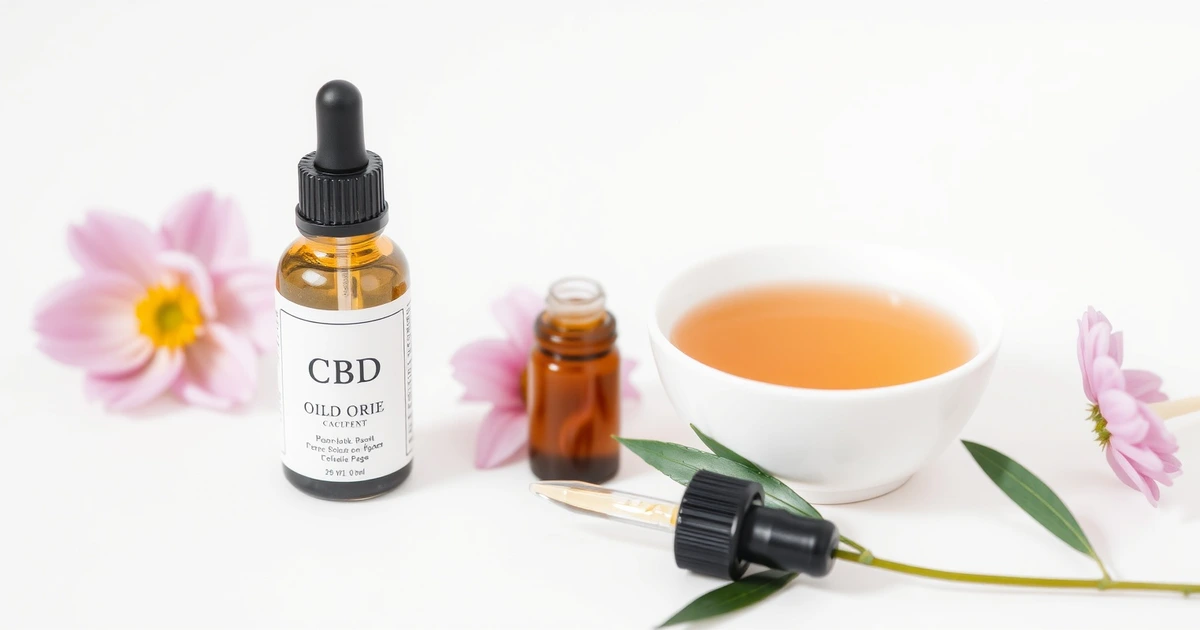
Tinctures are a popular choice as they allow users to manage their dosage precisely, providing quick effects when taken sublingually. This method ensures faster absorption into the bloodstream compared to other forms, highlighting the importance of the active ingredient.
CBD oil can also be taken sublingually for rapid effects, or swallowed, which delays its onset as it passes through the digestive system. These methods are particularly useful for those needing immediate relief or longer-lasting effects.
Edibles and Capsules
Edibles are a popular method for consuming both THC and CBD, available in forms such as gummies, chocolates, and beverages. They offer a discreet and tasty way to consume cannabinoids.
Capsules provide precise dosages, making them an appealing alternative for those who prefer not to consume edibles. Both edibles and capsules offer long-lasting effects, ideal for sustained symptom relief.
Topicals and Vapes
Topical applications of CBD and THC are:
Non-psychoactive
Applied directly to the skin for localized relief of conditions like arthritis or muscle pain
Provide targeted relief without systemic effects
Vaping involves inhaling vaporized CBD or THC products, offering a fast-acting method of consumption that is gaining popularity. This method ensures quick absorption into the bloodstream, making it suitable for immediate symptom relief.
Potential Side Effects and Risks
Both CBD and THC have potential side effects and risks. THC can lead to increased heart rate, anxiety, and impaired memory. Understanding these risks is crucial for making informed decisions about cannabis use.

CBD, although generally safe, can cause side effects like dry mouth and reduced appetite. The World Health Organization has reported no evidence of abuse or dependence potential associated with CBD, highlighting its safety profile.
CBD Side Effects
Some common side effects of CBD are nausea and fatigue. Additionally, users may also experience irritability. It’s important to inform your doctor about regular CBD use, as it can cause abnormalities in liver-related blood tests.
Regular monitoring of liver enzymes is recommended for those on high doses of CBD.
THC Side Effects
THC’s psychoactive effects can cause short-term memory loss and impaired motor skills. Inexperienced users may also experience increased anxiety and paranoia. These risks highlight the importance of understanding THC’s effects, especially for new users.
Interaction with Other Cannabinoids
CBD and THC are just two of over 100 cannabinoids found in the cannabis plant. These cannabinoids interact with each other, and with the body’s endocannabinoid system, to provide various therapeutic benefits. Both are used in medical cannabis to alleviate symptoms from conditions like chronic pain, anxiety, and tetrahydrocannabinol.
CBD may interact with other medicines, particularly blood thinners, which is important to consider for individuals on prescription drug.
The Entourage Effect
The entourage effect describes how different cannabinoids, including CBD and THC, work together to enhance their therapeutic benefits. This synergy can provide more effective pain relief by interacting with the body’s endocannabinoid system.
THC is particularly noted for its effectiveness in managing muscle spasticity, which can be a significant aspect of chronic pain. Understanding the entourage effect can help users maximize the therapeutic benefits of cannabinoids.
Broad Spectrum vs. Full Spectrum
When choosing CBD products, understanding the difference between broad spectrum and full spectrum is essential. Full spectrum CBD products contain all cannabinoids found in the cannabis plant, including THC, which can enhance the therapeutic benefits through the entourage effect.
Broad spectrum CBD products, on the other hand, contain multiple cannabinoids but exclude THC, making them a suitable option for those who wish to avoid any psychoactive effects. Both product types offer unique benefits, depending on individual needs and the desired therapeutic outcomes.
Summary
In summary, CBD and THC, despite being derived from the same cannabis plant, offer distinct characteristics and benefits. CBD is celebrated for its non-psychoactive therapeutic effects, particularly in managing anxiety, chronic pain, and certain types of epilepsy. THC, known for its psychoactive properties, is effective in pain relief, muscle spasticity, and improving appetite in various medical conditions.

Understanding the legal landscape and the various forms of consumption can help users make informed decisions about their usage. Whether opting for oils, tinctures, edibles, capsules, topicals, or vapes, each method offers unique benefits tailored to different needs. As research continues to unveil the potential of these cannabinoids, their role in medical therapies is set to expand, promising a future of enhanced health and well-being.
Related Articles
Frequently Asked Questions
CBD does not get you high, as it is non-psychoactive and does not produce the intoxicating effects associated with THC.
THC is not legal in all states, as its legality varies, with some states permitting medical or recreational use and others imposing strict prohibitions. It is essential to check specific state laws for clarity.
Common side effects of CBD include nausea, fatigue, and irritability. It is advisable to monitor these effects and consult a healthcare professional if they persist.
The entourage effect enhances therapeutic benefits by allowing cannabinoids to interact synergistically, resulting in more effective pain relief and improved overall therapeutic outcomes. This collaborative action among cannabis compounds maximizes their potential benefits.
The key difference between full spectrum and broad spectrum CBD products is that full spectrum includes all cannabinoids, including THC, whereas broad spectrum excludes THC but retains multiple other cannabinoids. This distinction can affect the potential effects and benefits experienced by users.

Written by
The Green Treasure Editorial Team
Independent cannabis journalism backed by science. We cover terpenes, vaporizers, edibles, growing and health.
Stay in the green loop
Expert guides, terpene science, growing tips, and gear reviews — delivered to your inbox. No spam, ever.
No spam. Unsubscribe anytime.