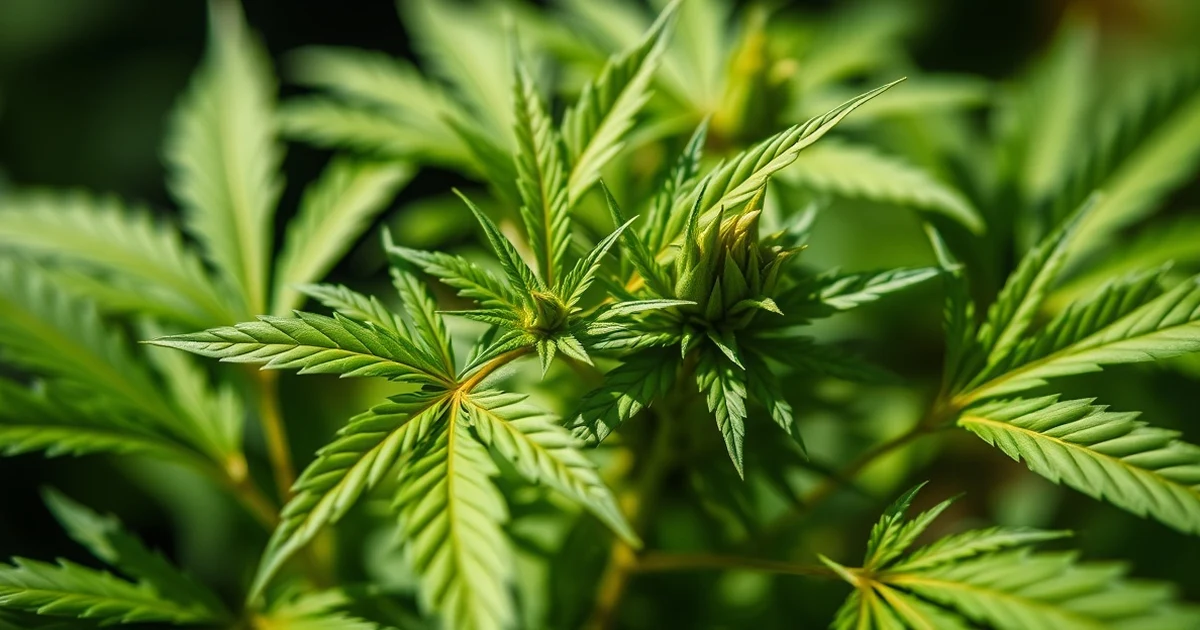
What Is THCV guide? Understanding Effects, Benefits, and Risks
THCV, or tetrahydrocannabivarin, is a cannabinoid in cannabis known for its appetite-suppressing effects. Unlike THC, THCV has less intense psychoactive properties and offers unique potential benefits. This article will explain what is THCV, how it works, and its benefits and risks.
Key Takeaways
THCV, a cannabinoid found in cannabis, has unique appetite-suppressing properties and milder psychoactive effects compared to THC, earning it the nickname ‘diet weed.’
Derived mainly from certain African sativa strains, THCV’s complex biosynthesis process distinguishes it, and strains like Durban Poison and Malawi Gold are known for their high THCV levels.
Potential benefits of THCV include appetite regulation, neuroprotective properties, and anti-inflammatory effects, although further research is needed to fully understand its therapeutic applications and risks.
What is THCV?
Tetrahydrocannabivarin, or THCV, is a unique cannabinoid found in cannabis that boasts distinct effects and potential medical benefits. Unlike THC, which is famous for its psychoactive properties, THCV has a shorter carbon side chain, which significantly impacts how it interacts with the body’s cannabinoid receptors. This difference in molecular structure results in THCV having milder psychoactive effects and a shorter duration of action compared to THC.

One of the intriguing aspects of THCV is its nickname, “diet weed,” which hints at its appetite-suppressing properties. This makes it particularly interesting for those looking to manage their weight or reduce cravings — read more about cannabis for fitness. However, growing and processing THCV-rich strains present unique challenges. The demand has historically been low, and isolating THCV is an expensive process, making these strains less common in the cannabis market.
Despite these challenges, the unique effects of THCV and its potential therapeutic benefits are driving more research and interest in this cannabinoid. As we continue to explore its properties, THCV stands out as a promising component of the identifying weed mold with a range of possible applications.

Origins of THCV
THCV is primarily derived from certain sativa cannabis strains, particularly those originating from Africa. These strains, often referred to as African landrace strains, are especially known for their elevated levels of THCV. Regions in southern and western Africa, such as those around the equator in Sub-Saharan Africa, provide the optimal climate for cultivating these high-THCV strains. Understanding where cannabis grows naturally helps explain why these regions produce such distinct TAC percentages.
The synthesis of THCV in the cannabis plant involves the following steps:
Begins with cannabigerovarinic acid (what is CBGV-A).
CBGV-A is converted into tetrahydrocannabivarinic acid (THCV-A) through enzymatic reactions.
THCV-A undergoes decarboxylation to form THCV.
This complex biosynthesis pathway highlights the unique cannabinoid nature of THCV, distinguishing it from other cannabinoids.
Among the notable strains high in THCV are Durban Poison, Malawi Gold, and Swazi Gold. These strains are not only rich in THCV but also carry unique terpene profiles that contribute to their distinct effects and flavors. The cultivation of these strains in regions like southern and western Africa has played a crucial role in the availability of THCV-rich cannabis products today.
How does THCV work?
The effects of THCV are rooted in its interaction with the body’s endocannabinoid system. At lower doses, THCV acts as an antagonist at CB1 receptors, which are primarily located in the brain and central nervous system. This antagonistic action can influence feelings of hunger and appetite, often leading to reduced food intake, potential weight management benefits, decrease signs of overeating, physiological effects, and negative effects.

In addition to its action on CB1 receptors, THCV also interacts with CB2 receptors as a partial agonist. These receptors are found throughout the immune system and peripheral organs, suggesting that THCV could have additional effects on immune response and inflammation. This dual interaction with the endocannabinoid system differentiates THCV from THC, which primarily acts as an agonist at both CB1 and CB2 receptors.
Interestingly, the effects of THCV can change depending on the dosage. At high doses, THCV functions as a partial agonist at CB1 receptors, which can influence appetite and energy balance. This dosage-dependent mechanism allows THCV to either block or activate CB1 receptors, providing a versatile tool for managing various conditions.
Overall, the unique mechanism of THCV offers potential benefits for appetite control, energy balance, and possibly even neuroprotection. Its ability to modulate the endocannabinoid system makes it a fascinating subject for further research and application.
Methods of consuming THCV
There are several ways to consume THCV, each offering different experiences and benefits:
Cannabis flower: Users can smoke or vape strains that are rich in THCV.
Notable African landrace strains popular for THCV effects include Durban Poison, Malawi Gold, and Swazi Gold.
Consider the boiling point of THCV, which is notably high at 428 °F (220 °C), when choosing your method of consumption.
In addition to smoking or vaping, THCV can also be consumed in the form of tinctures and edibles. These products offer a more controlled and often more discreet way to enjoy the benefits of THCV. They are particularly useful for those who prefer not to inhale cannabis smoke or vapor.
THCV-rich cannabis strains
THCV-rich cannabis strains are those specifically known for their high content of tetrahydrocannabivarin. Strains such as:
Doug’s Varin
Durban Poison
Malawi Gold are among the most thcv recognized for their substantial THCV levels. These strains are typically consumed through smoking or vaping, allowing users to quickly experience the effects of THCV.
The benefits of using THCV-rich strains extend beyond just the unique cannabinoid effects. Users often report a clear-headed high and appetite suppression, making these strains particularly appealing for those looking to manage their weight or maintain mental clarity while using cannabis.
THCV tinctures and edibles
THCV tinctures are another popular method of consumption. These tinctures:
Are cannabis-infused alcohol or oils
Can be taken in small amounts either sublingually or swallowed for systemic effects
Offer a precise way to dose THCV, making them ideal for medical users who need consistent and reliable effects.
THCV gummies are becoming increasingly popular due to their ease of use and effectiveness. These edibles are often used for appetite suppression and providing an energizing effect. The precise dosing and discreet nature of THCV gummies make them a convenient option for many users, whether for medical or recreational purposes.
Comparing THCV to THC
THCV and THC have a similar molecular structure. However, their effects are significantly different:

THCV is known for its milder psychoactive effects compared to THC.
THC is famous for altering thinking, distorting perception, and inducing sedation.
THCV tends to produce a faster-acting and more focused euphoria.
Many users find THCV preferable for daytime use.
One of the most significant differences is how these cannabinoids affect appetite. THC is well known for stimulating appetite, often referred to as “the munchies.” In contrast, THCV suppresses appetite, making it an attractive option for those looking to manage their weight or reduce food cravings. This appetite-suppressing effect has earned THCV the nickname “diet weed.”
THCV is also found in much smaller quantities in cannabis sativa compared to THC. African landrace cannabis varieties are among the few that contain high concentrations of THCV, making them a rare and valuable source of this unique cannabinoid.
Potential benefits of THCV
The potential benefits of THCV are diverse and promising. One of the most notable benefits is its ability to regulate appetite, which could be a game-changer for those struggling with weight management. THCV also shows promise in its ability to regulate blood sugar levels, suggesting potential use in diabetes management.
Additionally, THCV has been shown to modulate the release of neurotransmitters, potentially impacting mood and anxiety levels. Research is exploring its potential in addressing anxiety, PTSD, and other mental health conditions, along with its possible antipsychotic properties for conditions like schizophrenia.
Weight management
THCV’s potential role in weight loss management is one of its most exciting benefits. Unlike THC, which stimulates appetite, THCV may reduce appetite, making it a potential tool for those looking to lose weight or maintain a healthy diet. Research indicates that THCV may enhance the body’s ability to process fats and sugars, aiding in overall weight control and helping to reduce food intake.
Studies have linked THCV to reduced cravings and enhanced metabolic processes, further supporting its potential as an appetite suppressant and metabolic regulator. These properties suggest that THCV could play a significant role in future weight management therapies.
Neuroprotective properties
THCV exhibits potential neuroprotective benefits, making it a promising candidate for treating neurodegenerative diseases and demonstrating various neural effects. Its potential effects include:
Protecting neurons from damage, which could have beneficial effects in conditions like Alzheimer’s disease.
Mitigating THC-related memory deficits.
Improving cognitive functions, providing a clearer and more focused effect.
User reports suggest that THCV can provide cognitive enhancing effects, contrasting with the cloudiness sometimes associated with THC induced cognitive. For instance, taking 10 mg of THCV may reduce increased heart rate, feelings of intoxication, and memory recall issues linked to THC use.
Anti-inflammatory effects
THCV’s potential anti-inflammatory properties are another area of interest. These properties can be beneficial for pain relief and promoting mental clarity. THCV has been associated with relaxation and pain relief, suggesting it could be useful for managing inflammatory conditions.
In addition to its anti-inflammatory effects, THCV may also ameliorates insulin sensitivity, which is crucial for managing metabolic conditions like diabetes care. The potential of THCV in managing inflammatory pain and metabolic conditions suggests significant therapeutic avenues for this unique cannabinoid.
Risks and side effects of THCV
While THCV is considered safe for adults when used for up to 13 weeks, it is essential to consult with a healthcare professional before starting any new supplement or medication. Since the specific side effects of THCV are not well established, professional guidance is crucial.

Users should also be cautious, as THCV can lead to a positive result on drug tests due to its metabolism into THC-COOH. Additionally, there is insufficient reliable data on the safety of THCV during pregnancy or while breastfeeding, so it is best avoided in these circumstances.
THCV in research
Ongoing research into THCV is uncovering a wealth of potential therapeutic benefits. Current studies are investigating its role in managing diabetes, mental health, and metabolic disorders. THCV has been linked to reducing anxiety and enhancing mood, making it a promising candidate for mental health treatments.
The scientific community acknowledges the need for more extensive clinical trials to validate these benefits. Research is also examining THCV’s potential to produce antipsychotic effects and its ability to modulate immune responses, which could lead to reduced inflammation and improved management of chronic conditions.
Finding THCV products
Finding THCV products can be challenging due to their rarity. However, they are available in various forms, including oils, edibles, and tinctures. Specialized products like live resin vapes and multi-cannabinoid gummies are popular choices for those looking to experience the effects of THCV.

Reputable brands such as Binoid, Realize, and CannaAid offer a range of THCV products, including edibles and vapes. While most cannabis strains contain only trace amounts of THCV, these brands provide products that highlight this unique cannabinoid, despite the challenges in sourcing THCV-rich strains.
Legal considerations
THCV is federally recognized as legal in the US if derived from hemp and contains less than 0.3% THC, according to the 2018 Farm Bill. This federal guideline ensures that THCV products are generally legal as long as they meet the THC content requirement. However, state laws regarding THCV vary significantly, leading to its prohibition in several states despite federal legality.
Consumers must ensure compliance with both federal, state, and local laws when purchasing THCV products. In states where THCV is illegal, consumers may not be able to purchase or receive these products through online orders. Additionally, the FDA has yet to provide specific regulations or approvals for THCV, leaving its market largely unregulated.
Summary
In summary, THCV stands out as a unique cannabinoid with a range of potential benefits, from appetite suppression and weight management to neuroprotective and anti-inflammatory effects. Its distinct interaction with the body’s endocannabinoid system sets it apart from THC, offering a milder psychoactive profile and various therapeutic potentials.
As research into THCV continues, it holds promise for managing conditions like diabetes, anxiety, and neurodegenerative diseases. However, its rarity and the challenges in sourcing THCV-rich strains pose obstacles. Legal considerations also play a significant role in accessibility, with varying state laws and a lack of FDA regulation. As we move forward, more extensive clinical trials and research will be crucial in unlocking the full potential of this fascinating cannabinoid.
Related Articles
Frequently Asked Questions
THCV, or tetrahydrocannabivarin, is a cannabinoid in cannabis recognized for its unique effects, including appetite suppression and neuroprotective benefits. This characteristic sets it apart from other cannabinoids like THC and CBD.
THCV differs from THC primarily in its psychoactive effects and impact on appetite; while THC enhances appetite, THCV suppresses it, making THCV less intoxicating and often referred to as "diet weed."
THCV has the potential to aid in weight management, regulate blood sugar levels, and modulate neurotransmitter activity, alongside providing neuroprotective and anti-inflammatory benefits. These properties make THCV a compound of interest for various health-related applications.
THCV can be effectively consumed by smoking or vaping THCV-rich cannabis strains, as well as through tinctures and edibles such as gummies. Each method offers a different experience, allowing you to choose the one that best suits your preferences.
THCV is federally legal in the US when derived from hemp and containing less than 0.3% THC; however, it is essential to check state-specific laws to ensure compliance.

Written by
The Green Treasure Editorial Team
Independent cannabis journalism backed by science. We cover terpenes, vaporizers, edibles, growing and health.
Stay in the green loop
Expert guides, terpene science, growing tips, and gear reviews — delivered to your inbox. No spam, ever.
No spam. Unsubscribe anytime.