Decarb Weed Microwave: Quick and Easy Method Explained
Looking for a quick way to decarb weed? Using a microwave is the fastest option to decarb weed microwave. In this article, we’ll show you how to decarb weed in a microwave step by step. You’ll learn about the tools you need, the process, and some tips for getting the best results.
Key Takeaways
Decarboxylation is essential for activating cannabinoids like THC and CBD, making cannabis effective for both recreational and medicinal use.
The microwave method for decarboxylation is the quickest but requires careful monitoring of time and temperature to avoid uneven heating and burning.
Proper storage of decarboxylated cannabis in airtight containers in a cool, dark place helps maintain potency and freshness.
Why Decarboxylation is Essential
Decarboxylation is a critical process that transforms cannabinoid acid precursors like tetrahydrocannabinolic acid (THCA) and cannabidiolic acid (CBDA) into their active forms, THC and CBD. These active forms are responsible for the psychoactive compounds and therapeutic effects that cannabis is known for. Without this transformation, full decarboxylation occurs, and cannabinoids remain in their acidic forms, which do not provide the desired effects.

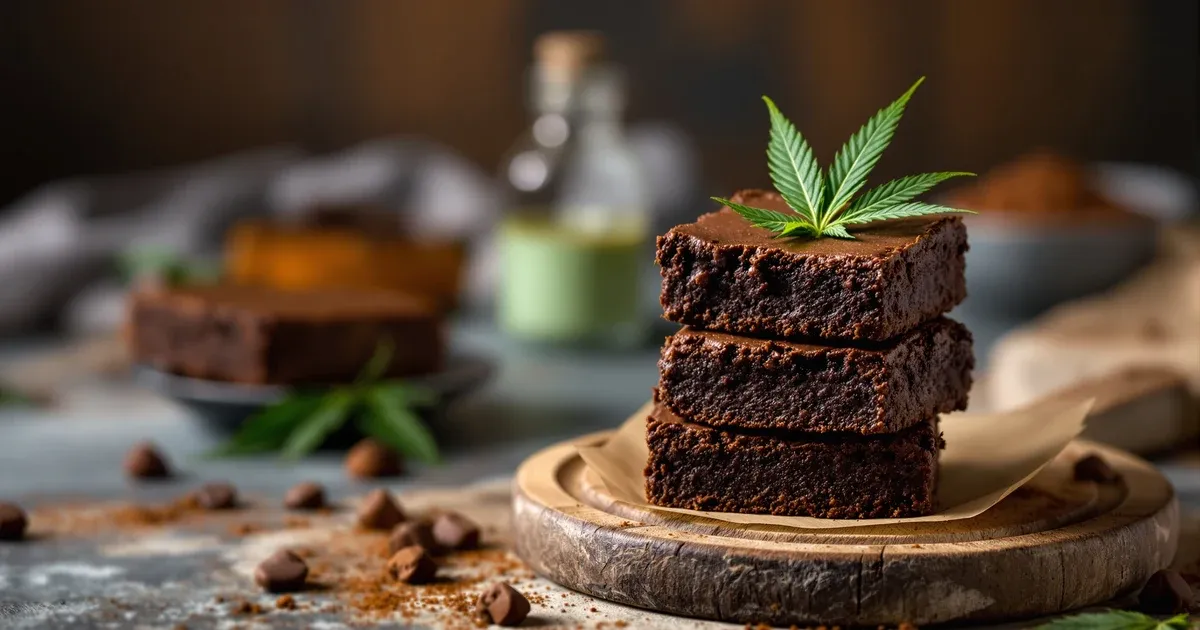
Imagine trying to bake brownies with raw cannabis – without proper decarboxylation, the cannabinoids would remain inactive, leaving you with a batch of disappointing, ineffective edibles. The decarboxylation process is what makes cannabis potent and effective for consumption, be it for recreational or medicinal purposes. While some users may prefer retaining acidic cannabinoids for their unique therapeutic properties, the majority seek the psychoactive benefits that come from properly decarboxylated weed.
Interestingly, smoking cannabis naturally decarboxylates it as the heat from the flame converts the cannabinoids instantly. However, when it comes to making edibles or using cannabis in other preparations, decarboxylation needs to be done separately to ensure the cannabinoids are activated and ready to deliver their full effects.

The Science Behind Microwave Decarboxylation
At its core, decarboxylation involves heating cannabis to remove the carboxyl group from THCA and CBDA, converting thca them into THC and CBD. The microwave method leverages high temperatures to achieve this transformation quickly. However, it requires precision to avoid burning the cannabis and losing valuable cannabinoids and terpenes. Decarbing cannabis is an essential step in this process to decarboxylate weed.
Microwaving weed is the fastest way to decarboxylate it, but it is also the least reliable. The key to successful microwave decarboxylation lies in:
Controlling the temperature and timing.
Microwaving the cannabis in short bursts followed by resting periods to prevent overheating.
Ensuring even decarbing through careful attention.
This method, while convenient, demands careful attention to avoid inconsistent results.
Step-by-Step Guide: Decarbing Weed in a Microwave
Decarbing weed in a microwave might sound daunting, but with the right tools and a bit of patience, it can be a quick and effective method. Let’s break down the process into manageable steps, starting with gathering your materials, preparing your cannabis, and following the microwave method instructions.

Tools and Materials Needed
For effective microwave decarboxylation, gather essential tools: a microwave-safe container for safety and efficiency, and aluminum foil or a microwave-safe cover to retain moisture and heat to properly decarboxylate.
Cannabis flower are key, and using the right tools can significantly impact the final product. A microwave-safe dish, aluminum foil, and well-prepared cannabis flowers are essential for a successful process. Having these materials ready will streamline decarboxylation.
Preparing Your Cannabis
Begin by grinding your cannabis evenly to increase surface area for optimal heat distribution. Avoid grinding too finely to prevent burning during decarboxylation.
Once ground, distribute the cannabis on a baking sheet or parchment paper. Ensure the pieces are small, popcorn-sized for the best results. This distribution method helps in achieving consistent and even heating when microwaving.
Microwave Method Instructions
Place your evenly ground cannabis plant in a microwave-safe container and cover it with aluminum foil to retain terpenes and volatile compounds. Microwaving requires a careful balance of heating and resting.
Microwave the cannabis in 90-second bursts with a 60-second resting period in between. This cycle helps prevent overheating and ensures even decarboxylation. Monitor closely to avoid burning, and look for a golden brown color as an indicator of successful decarboxylation.
A thermometer can help maintain the ideal temperature for accurate decarboxylation. Following these steps will help you achieve optimal results with the microwave method.
Pros and Cons of Microwaving Weed
Microwave decarboxylation has its pros and cons. It’s the quickest method, offering convenience for those in a hurry. While it doesn’t significantly enhance potency, it’s effective for quick decarbing.
However, it’s also the least reliable due to the risk of uneven heating and burning. High temperatures can alter the flavor and moisture content of the cannabis and degrade valuable terpenes, resulting in a less desirable oil product.
Compared to methods like using an oven or sous vide, cooking with microwaving often results in inconsistent decarboxylation. It requires caution and close monitoring to avoid uneven heating and potential potency loss.
Tips for Achieving Consistent Results
For consistent microwave decarboxylation results, break up cannabis into small, even pieces to enhance airflow and ensure uniform heat distribution.

Employ proper microwaving technique:
Heat for 90 seconds.
Rest for 60 seconds.
Repeat. Monitoring for a light golden brown color indicates successful decarboxylation. Following these tips leads to consistent and effective results.
Alternative Methods for Decarboxylation
While the microwave method is quick, other methods offer their own advantages. The oven method, for instance:
Is widely AVB guide
Involves baking cannabis at a consistent temperature, usually between 230°F and 250°F
Can experience temperature fluctuations, making it less precise
The mason jar method is another popular alternative, particularly for its ability to control does making cannabutter smell during the decarboxylation process. This method is virtually odorless and involves placing cannabis in an airtight container before heating it for curing cannabis.
For those seeking precise temperature control, the sous vide method is ideal. It involves sealing cannabis in a sealed bag and immersing it in water heated to a specific temperature. This method preserves delicate terpenes and cannabinoids, providing consistent and reliable results.
Storing Decarboxylated Cannabis
To maintain potency and freshness, store decarboxylated cannabis in airtight containers to prevent exposure to air and moisture. Keep containers in a cool, dark place like a pantry or cupboard to avoid light exposure and potency loss.

If not used within a few weeks, freezing decarboxylated cannabis can extend its shelf life. Wrap it tightly or store it in an opaque container to maintain integrity.
Using Decarboxylated Cannabis in Edibles
Decarboxylated cannabis is key for making potent edibles, transforming THCA and CBDA into THC and CBD to achieve desired effects. Without decarboxylation, edibles would be far less effective.
To incorporate decarboxylated cannabis into various recipes:
Infuse it into oils or butters.
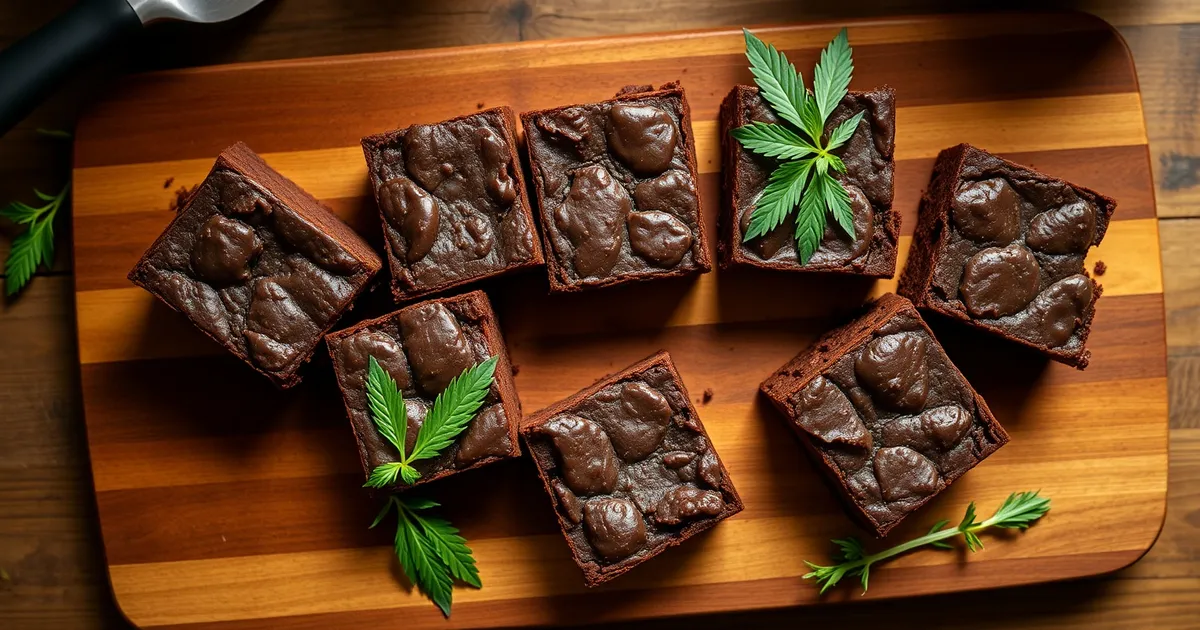
Use these infused oils or butters in recipes like brownies, cookies, gummies, and sauces.
Be mindful of the infusion process: avoid heating above 300ºF to prevent cannabinoid and terpene loss.
For optimal results, maintain a low and slow process during infusion to preserve potency and bud flavor, ensuring your edibles are delicious, free from undesirable flavors, and effective. This slow process is crucial for achieving the best outcomes.
Summary
Decarboxylating cannabis is a crucial step for unlocking its full potential. The microwave method, while quick and convenient, requires precision and care to avoid pitfalls. By following the steps and tips outlined in this guide, you can achieve effective results. Remember, proper storage and thoughtful use in edibles will ensure you get the most out of your decarboxylated cannabis. Happy decarbing!

Related Articles
Frequently Asked Questions
Decarboxylation is essential for cannabis because it activates cannabinoid acids, converting them into THC and CBD, which deliver the desired psychoactive and therapeutic effects. Without this process, the compounds would remain inactive and ineffective.
Yes, you can decarboxylate cannabis using a microwave, but it requires close monitoring to avoid burning and achieve even results.
Successful decarboxylation is indicated by a color change to a light golden brown, confirming the cannabis has been effectively activated.
To maintain the potency and freshness of decarboxylated cannabis, store it in airtight containers in a cool, dark place, and consider freezing it for extended shelf life.
To effectively use decarboxylated cannabis in edibles, infuse it into oils or butters, ensuring to maintain low temperatures during the process to preserve the beneficial cannabinoids and terpenes. This infusion can then be incorporated into a variety of recipes for optimal effects.

Written by
The Green Treasure Editorial Team
Independent cannabis journalism backed by science. We cover terpenes, vaporizers, edibles, growing and health.
Stay in the green loop
Expert guides, terpene science, growing tips, and gear reviews — delivered to your inbox. No spam, ever.
No spam. Unsubscribe anytime.