Does Making Cannabutter Smell? Tips to Reduce Odors
Does making cannabutter smell? Yes, it often releases a strong odor due to the heating of cannabis. This article will explain why the smell occurs and offer practical tips to reduce it, such as using airtight containers, implementing low and slow heating methods, and ensuring proper ventilation.
Key Takeaways
Cannabutter’s strong smell comes from terpenes released during decarboxylation, where active THC is created.
Effective odor reduction techniques include using airtight containers, low heat cooking methods, and proper ventilation.
Alternative fats like coconut oil can help minimize odor during infusion, and strong-smelling ingredients can mask the scent while cooking.
Understanding Cannabutter Odor
Cannabutter owes its distinctive smell primarily to terpenes, the aromatic compounds found in cannabis. Terpenes are the compounds responsible for the strong, pungent smell that fills the air when you heat cannabis to make cannabutter. These compounds are released during the heating process, particularly when decarboxylating the cannabis, which is essential to activate the THC and other cannabinoids.

Imagine opening a jar of fresh herbs; the smell is delightful but can become overwhelming when concentrated. The same principle applies here. When the cannabis is heated, the terpenes evaporate, releasing that unmistakable aroma.
Understanding this process is key to finding ways to manage and minimize the smell when making your own cannabutter.

Why Does Cannabis Smell During Cooking?
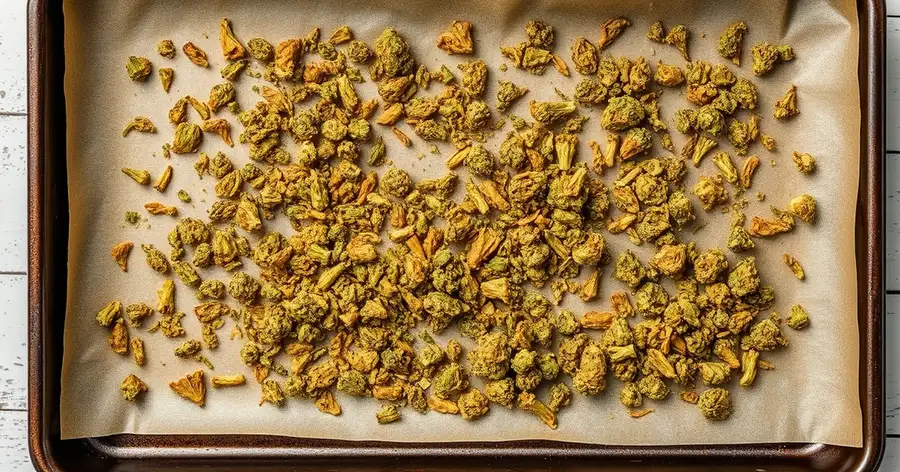
The process of decarboxylation is crucial in cannabis cooking, as it transforms inactive cannabinoid acids into active THC. This stage is also when the odor becomes most pronounced. During decarboxylation, the cannabis needs to be heated to temperatures between 220°F and 245°F, which triggers the release of aromatic compounds, including terpenes and sulfur-containing molecules.
These sulfur-based molecules, known for their skunky aroma, have extremely low sensory thresholds, meaning even small amounts can produce a strong smell. The intensity of the odor during cooking is influenced by several factors:
The quantity of cannabis: larger amounts naturally produce a stronger smell.
The cooking temperature.
The ventilation of the space: poor ventilation can cause these volatile compounds to linger.
Effective ventilation can significantly reduce the duration and intensity of these odors. If your kitchen is poorly ventilated, the smell can persist for few hours, but with proper airflow, it can dissipate much more quickly.
Reducing Odor While Decarbing
Decarboxylation is the pivotal step in making cannabutter, but it’s also the phase where the smell is most potent. The good news is that there are several strategies you can employ to minimize the odor during this process. The method and duration of heating can significantly influence how much smell is produced.

From using oven-safe bags to cooking at lower temperatures for extended periods, these techniques can help keep the smell in check. Additionally, incorporating odor-neutralizing substances like vinegar can effectively reduce how much vaping smellss.
Here are some specific methods to make this process as discreet as possible.
Airtight Containers
Using airtight containers or turkey bags during the decarboxylation process is a game-changer for odor control because:
These containers trap the smell inside, preventing it from spreading throughout your kitchen and home.
This method ensures that the terpenes and other aromatic compounds stay contained.
It offers a much more pleasant cannabutter-making experience.
Simply place your cannabis in an airtight container or a turkey bag, and then proceed with the heating process. This method ensures that the terpenes and other aromatic compounds stay contained, making your cannabutter-making experience much more pleasant.
Low and Slow Heating
Another effective method to reduce strong smells is to utilize low heat settings and longer cooking times. Cooking at lower temperatures helps in minimizing the release of strong odors. Appliances like crock pots and double boilers are particularly useful because they maintain a consistent low heat, which is ideal for reducing smells.
The key is to keep the temperature low and allow the process to take its time. This “low and slow” method reduces the intensity of odors, making your cannabutter-making process much more discreet. Consistent temperature control during decarboxylation prevents sudden spikes that can increase odor production.
Proper Ventilation
Proper ventilation is crucial when cooking with cannabis to disperse any lingering odors effectively. An exhaust fan and open windows help circulate the air, reducing the concentration of smells.
Good airflow prevents strong smells from settling and lingering in your kitchen. This method, combined with other odor-reducing techniques, can significantly improve your cannabis cooking experience.
Low-Odor Cannabutter Methods
If you’re looking for ways to make cannabutter with minimal smell, consider using techniques like sous vide and slow cookers. These methods are designed to keep the cooking process gentle, which helps in reducing odors. High-quality cannabis can also lead to a more pleasant aroma in the finished product compared to lower-quality options.
Vacuum sealing and using appropriate storage methods are also effective in managing odor during and after the cooking process. Let’s explore these methods in more detail.
Sous Vide Method
The sous vide method is an excellent technique for making canna butter discreetly. By sealing the cannabis in a bag and immersing it in a water bath, you can control the temperature precisely and minimize excess odor during the cooking process.
Sous vide provides consistent infusion process and preserves the cannabinoids effectively, making it a personal favorite for many. The sealed environment of the sous vide machine keeps the smell contained, ensuring a more pleasant experience. For the most hands-off approach, consider a dedicated cannabutter machine like the LEVO or Magical Butter — they automate the entire infusion and minimize odors even further.
Crock Pot and Double Boiler
Using a double boiler or crock pot is another effective way to reduce odors while infusing butter. These appliances allow for gentle heat application, significantly minimizing the release of strong smells.
A double boiler is particularly advantageous because it maintains a lower temperature, which helps keep the smell in check. On the other hand, a crock pot’s slow cooking method ensures that the cannabis is heated evenly without producing overwhelming odors.
Alternative Infusion Options
Using alternative fats like coconut oil, olive oil, or even plant-based butters can impact the overall odor of your cannabis infusion. Here are some options:

Coconut oil: Popular choice due to its high concentration of saturated fats, making it effective for binding with cannabinoids.
Olive oil
Plant-based butters
These alternative fats can help conceal the cannabis flavor and reduce the cooking smell, making them a great option for those looking to make discreet cannabis edibles — see also our article on edibles odor guide.
Coconut Oil Benefits
Coconut oil is favored for cannabis infusion not only for its high fat content but also for its milder scent compared to butter. This makes it a preferable option for those sensitive to strong smells.
Moreover, coconut oil’s solid state at room temperature and neutral taste make it convenient for storage and versatile in cannabis preparations, whether for savory dishes or baked goods.
Masking Odors During Cooking
Masking cannabis odors during cooking can be done effectively using strong-smelling ingredients such as:
Garlic
Onions
Ginger
Cinnamon
Cloves
Chocolate
Boiling ingredients like cinnamon sticks or citrus peels can further help in masking the odors, ensuring your kitchen smells pleasant and inviting.
Storing Cannabutter to Minimize Smell
Proper storage of cannabutter is essential to minimize any lingering smells. Using mason jars or airtight containers can effectively contain the smell. Storing cannabutter in the refrigerator in a tightly sealed container is also recommended.

For additional odor control, consider vacuum sealing the cannabutter and storing it in a cool, dark place. Lighting scented candles or using essential oils can help combat any lingering smells from cannabis cooking.
Tips for Discreet Edibles
For discreet edibles, consider:
Sealed cooking techniques like sous vide
Ensuring proper ventilation
Using alternative fats like olive oil or vegan butters, which can produce less odor than traditional butter while making edibles.
Additionally, opting for cannabis concentrates instead of raw cannabis flowers can keep the process more discreet and minimize odor.
Summary
Making cannabutter doesn’t have to mean filling your home with a strong cannabis smell. By understanding the science behind the odors, using low-odor methods like sous vide, and employing techniques to mask and reduce smells, you can enjoy your cannabis-infused creations discreetly.

Remember, proper storage and choosing the right ingredients can make all the difference. With these tips, you can confidently make your own cannabutter without the worry of unwanted odors.
Related Articles
Frequently Asked Questions
Making cannabutter produces a strong smell because the heat releases terpenes, the aromatic compounds in cannabis that contribute to its distinctive scent. So, get ready for a powerful aroma when you're cooking!
To effectively reduce the smell of cannabutter, store it in airtight containers during decarboxylation and cook at lower temperatures. This will help keep the aroma under control while you enjoy your cooking!
Absolutely, coconut oil has a milder scent than butter, which can help reduce any strong odors when cooking. It's a great alternative that also pairs well with various flavors!
You can easily mask the smell of cannabis by using strong-smelling ingredients like garlic, onions, and spices. Boiling cinnamon sticks or citrus peels will also do wonders in keeping that odor at bay.
To minimize the smell of cannabutter, keep it in mason jars or airtight containers in the fridge. Vacuum sealing and storing it in a cool, dark spot can help even more!

Written by
The Green Treasure Editorial Team
Independent cannabis journalism backed by science. We cover terpenes, vaporizers, edibles, growing and health.
Stay in the green loop
Expert guides, terpene science, growing tips, and gear reviews — delivered to your inbox. No spam, ever.
No spam. Unsubscribe anytime.