
Terpene Effects in Cannabis: How Terpenes Affect Your Experience
Cannabis terpenes do more than create distinctive aromas—they play a crucial role in shaping your overall experience. Whether you’re seeking pain relief, anxiety relief, or an energetic high, understanding how terpenes affect your body can transform your product selection.
This guide covers what cannabis terpenes are, how they interact with cannabinoids, and how to choose cannabis products based on terpene profiles that match your desired effects.
Cannabis Terpenes: Quick Overview
Cannabis terpenes are aromatic compounds found in the resin glands (trichomes) of the cannabis plant. These organic compounds create the distinctive scents and flavor profiles you associate with different strains—from piney and earthy to citrusy and floral.
Beyond aroma, terpenes serve evolutionary purposes: repelling predators, attracting pollinators, and supporting the plant’s immune system against pathogens. Over 200 terpenes found in cannabis have been identified, though typically 10-20 dominate any given strain.
Most importantly, terpenes interact with cannabinoids like THC and CBD, potentially modulating their effects on your body’s endocannabinoid system.
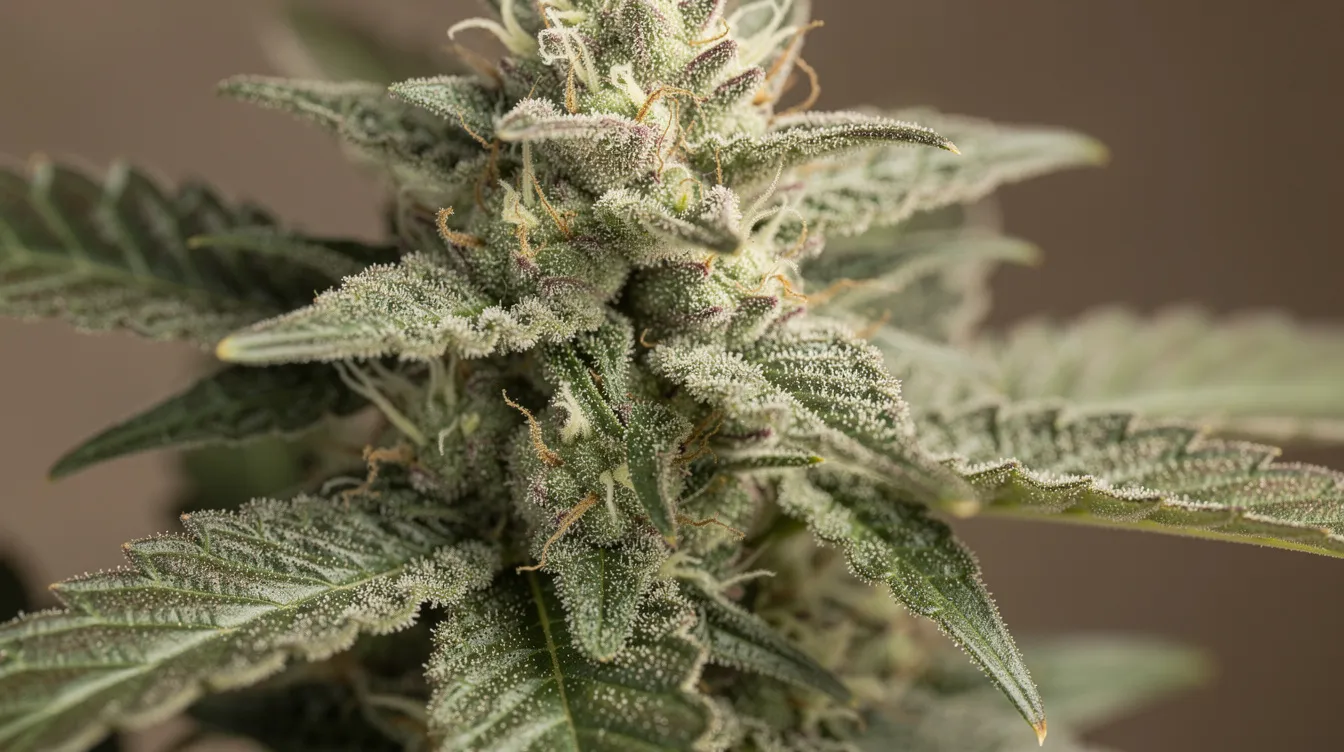
How Terpenes Affect the Cannabis Experience
The entourage effect—first conceptualized in 1998 by Israeli researchers—describes how terpenes and other cannabinoids work synergistically to amplify or modify each compound’s impact. This means two strains with identical THC levels can produce vastly different experiences based on their terpene composition.
Terpenes affect your cannabis experience through several mechanisms:
Influencing cannabinoid receptors binding
Modulating neurotransmitter activity in the central nervous system
Altering blood-brain barrier permeability
Enhancing or reducing the effects of THC
Individual physiology matters significantly. Your genetics, tolerance, metabolism, and prior experience all modify how terpenes interact with your system. This explains why the same strain affects different people differently.
Major Terpenes to Know
Here are the most prevalent terpenes found in cannabis strains:
Terpene | Aroma | Primary Effects |
|---|---|---|
Myrcene | Earthy, musky | Sedative effects, relaxation |
Limonene | Citrus | Mood uplift, anti anxiety properties |
Beta-caryophyllene | Peppery, spicy | Anti inflammatory properties |
Linalool | Floral, lavender | Calming effects, stress relief |
Pinene | Pine trees | Alertness, memory support |
Humulene | Earthy, hoppy | Appetite suppressant, anti inflammatory |
Terpinolene | Floral, piney | Energizing, antioxidant |
Users check terpene labels because profiles predict effects more reliably than THC percentages alone. A strain with 20% tetrahydrocannabinol and high myrcene will feel completely different from one with 20% THC and high limonene.
Beta Pinene: Role and Effects
Beta pinene carries a fresh, pine-like aroma reminiscent of forest air and pine trees. This terpene plays an important role in counteracting some of THC’s cognitive effects, particularly short-term memory fog.
Potential benefits of beta pinene include:
Promoting alertness and mental clarity
Supporting memory retention
Bronchodilation for clearer breathing
Anti inflammatory and antibacterial properties
Strains high in beta pinene include Jack Herer, Super Silver Haze, and Blue Dream. These are often recommended for daytime use when you need focus without excessive sedation.
Other Key Terpenes Profiles
Limonene provides the citrus fruits aroma found in many sativa strains. Research suggests it may enhance mood, reduce anxiety, and show antidepressant potential through serotonin modulation. It’s also being studied for potential anticancer properties.
Myrcene is the most abundant terpene in many indica strains, comprising 20-50% of total terpene content. When myrcene exceeds 0.5%, expect sedative properties and the classic “couch-lock” sensation. It also demonstrates analgesic effects and anti inflammatory action.
Beta-caryophyllene is unique—it’s a dietary cannabinoid that binds directly to CB2 receptors without psychoactivity. Found in black pepper and certain strains, it offers gastroprotective, analgesic, antifungal, and neuroprotective effects. This makes it valuable for therapeutic and medicinal uses.


Terpenes and Pain Relief
Preclinical evidence increasingly supports terpenes for pain management:
Beta-caryophyllene: Direct CB2 agonism delivers anti inflammatory and analgesic action without psychoactivity
Myrcene: Relaxes muscles and reduces inflammation, contributing to pain relief
Linalool and humulene: Add anti inflammatory synergy
For chronic pain, consider terpene-forward products like full-spectrum live resin. The entourage synergies between terpenes and other compounds typically outperform isolated cannabinoids.
Note that human clinical trials lag behind preclinical data. Delivery method matters too—smoking degrades heat-sensitive terpenes more than vaping or edibles.
Terpenes in Cannabis Products
Not all cannabis products preserve terpenes equally:
Product Type | Terpene Preservation | Notes |
|---|---|---|
Fresh flower | High | Loses volatiles post-harvest |
Live resin | 80-90% | Flash-frozen extraction |
Cured concentrates | 50-80% | Some degradation from heat/oxidation |
Cannabis oil/tinctures | Variable | Often terpene-infused post-extraction |
Edibles | Low | Volatile loss during processing |
Live resin, extracted from flash-frozen plants, captures the richest terpene profile and delivers the strongest entourage effect. Cured concentrates like shatter typically lose 20-50% of original terpenes through oxidation and heat.
Choosing Cannabis Products by Terpene Profiles
Match terpene profiles to your desired cannabis experience:
Focus/productivity: Pinene and limonene-dominant profiles
Sleep/relaxation: Myrcene and linalool combinations
Pain management: Caryophyllene and myrcene blends
Always verify third-party lab terpene reports on Certificates of Analysis (COAs). Full-spectrum extracts generally outperform isolates when you want comprehensive therapeutic benefits, though isolates suit precise dosing needs.
Testing, Labels, and Variability
Batch-to-batch terpene variability can shift dominant terpenes by 30-50% due to:
Genetics and phenotype expression
Growing conditions (light, soil, nutrients)
Harvest timing
Curing process
COAs from third-party labs provide GC-MS verified percentages accurate to 0.01%. Look for labels listing the top 5 terpenes with percentages, aromas, and reported effects.
Retailers should feature detailed terpene profiles on product pages—not just cannabinoid content.
Safety, Dosing, and Interactions
Start low with terpene-forward products (5-10mg total terpenes). High doses may cause:
Lung irritation when inhaled
Headaches in sensitive individuals
Amplified sedation when combined with other sedatives
Myrcene may interact with prescription sedatives via CYP450 enzyme modulation—consult your physician if taking medications. Avoid untested synthetic terpenes, which lack natural synergies and may contain impurities.
Practical Use Cases
For focus and productivity: Select beta pinene and limonene-dominant strains like Jack Herer. The piney, alerting profile enhances cognition while counteracting THC-induced brain fog.
For sleep and relaxation: Choose myrcene-heavy strains like Granddaddy Purple (>0.5% myrcene). Expect calming properties and sedative effects ideal for nighttime use.
For acute pain: Look for caryophyllene-rich options like Bubba Kush. The CB2 receptor activity provides anti inflammatory relief without intense psychoactivity.
FAQs
Do terpenes alone cause a high? No. Terpenes lack psychoactivity on their own. However, they modulate cannabinoid effects, influencing how you experience THC and other cannabinoids. Essential oils from various plants contain the same terpenes without producing intoxication.
How do I read terpene concentrations on labels? Labels show concentrations as percentages of total oil (e.g., 1.2% myrcene). Myrcene above 0.5% typically signals sedation-dominant effects. Look for GC-MS testing verification on the COA.
Can terpenes trigger allergies? Yes, even those derived naturally. Pinene may cause respiratory irritation, while limonene can trigger skin sensitivity in susceptible individuals. If you experience dermatitis or asthma symptoms, try low-terpene products.
Conclusion and Next Steps
Understanding terpene effects in cannabis fundamentally changes how you approach product selection. Instead of chasing THC percentages, you can select different cannabis strains based on the plant’s terpenes that align with your goals—whether that’s stress relief, enhanced focus, or pain management.
Start testing different strains methodically. Keep a journal noting dominant terpenes and your response. Over time, you’ll identify the profiles that deliver your desired effects consistently.
Frequently Asked Questions

Written by
The Green Treasure Editorial Team
Independent cannabis journalism backed by science. We cover terpenes, vaporizers, edibles, growing and health.
Stay in the green loop
Expert guides, terpene science, growing tips, and gear reviews — delivered to your inbox. No spam, ever.
No spam. Unsubscribe anytime.