If you've ever wondered why one cannabis strain smells like fresh pine forest while another hits you with a wave of tropical citrus, the answer lies in terpenes — the aromatic compounds that give cannabis (and thousands of other plants) their distinctive scents and flavors.
But terpenes do far more than just smell good. A growing body of research suggests they play a significant role in shaping the overall cannabis experience through what scientists call the entourage effect. In this comprehensive guide, we break down everything you need to know.
What Are Terpenes?
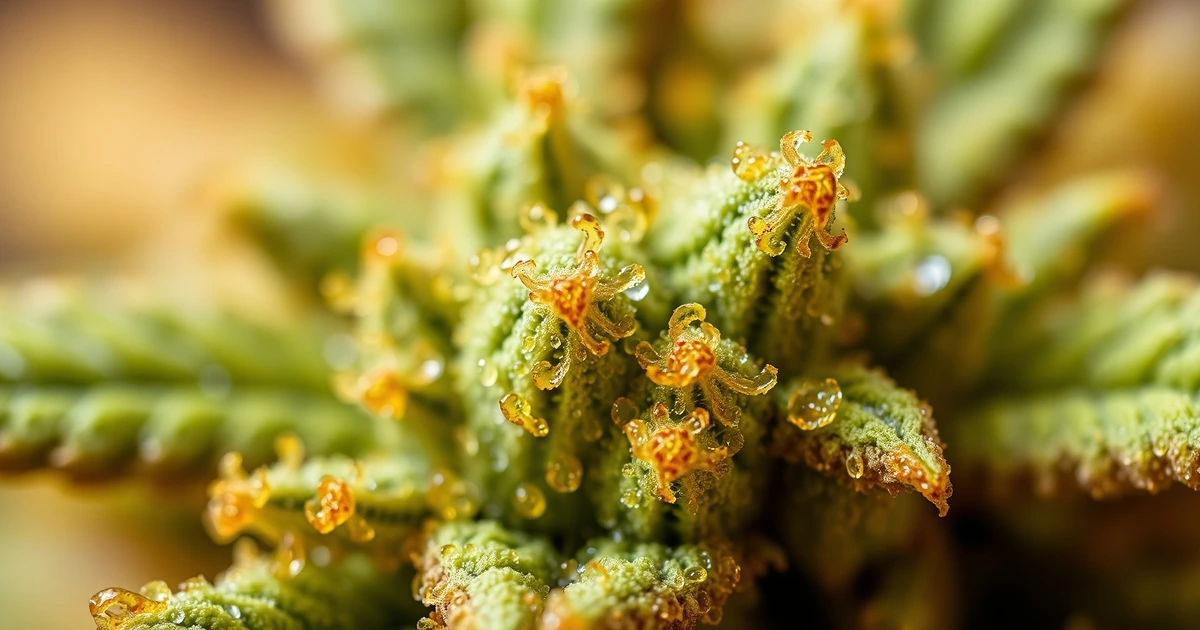
Terpenes are volatile organic compounds produced by the trichomes of the cannabis plant — the same resinous glands that produce cannabinoids like THC and CBD. Over 200 different terpenes have been identified in cannabis, though most strains are dominated by a handful of primary terpenes.
These compounds evolved as a defense mechanism: their strong aromas repel pests and herbivores while attracting pollinators. For humans, they offer a rich palette of aromas and a fascinating layer of complexity in how cannabis interacts with our bodies.
Terpenes vs. Terpenoids
You'll often see these terms used interchangeably, but there's a technical difference. Terpenes are the naturally occurring hydrocarbons found in the living plant. Terpenoids are what terpenes become after the plant is dried and cured — they've been chemically modified through oxidation. For practical purposes, most people (including us) use "terpenes" as the umbrella term.
The Entourage Effect: Why Terpenes Matter
The entourage effect is the theory that cannabis compounds work better together than in isolation. Research published in the British Journal of Pharmacology by Dr. Ethan Russo suggests that terpenes may modulate the effects of cannabinoids, potentially enhancing therapeutic benefits while mitigating unwanted side effects.
For example, the terpene myrcene may increase cell membrane permeability, potentially allowing cannabinoids to be absorbed more efficiently. Meanwhile, limonene has been studied for its potential mood-elevating properties. When combined with THC and CBD, these terpenes may contribute to the unique character of each strain.
The Major Cannabis Terpenes
Myrcene — The Relaxer
- Aroma: Earthy, musky, herbal with hints of clove
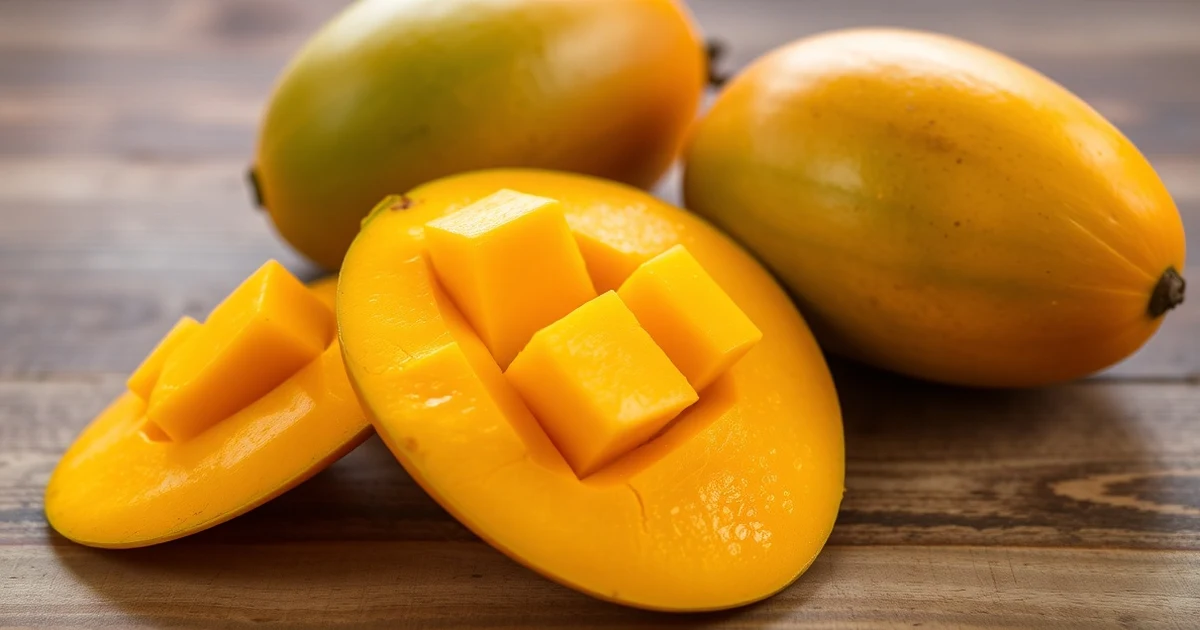
- Also found in: Mangoes, hops, lemongrass, thyme
- Vaping temperature: 168°C (334°F)
- Reported effects: Relaxing, sedating, may enhance cannabinoid absorption
- Common in: OG Kush, Blue Dream, Granddaddy Purple
Myrcene is the most abundant terpene in modern cannabis, often making up over 20% of a strain's terpene profile. Research suggests it may have anti-inflammatory and analgesic properties. Strains high in myrcene are often associated with the classic "couch-lock" effect.
Limonene — The Mood Lifter
- Aroma: Bright citrus — lemon, orange, grapefruit
- Also found in: Citrus fruit rinds, juniper, rosemary
- Vaping temperature: 176°C (349°F)
- Reported effects: Uplifting, stress-relieving, may support mood
- Common in: Super Lemon Haze, Durban Poison, Wedding Cake
Limonene is the second most common terpene across all plants in nature. Studies have explored its potential anxiolytic (anti-anxiety) and antidepressant-like properties. It's also been researched for its potential to improve absorption of other compounds through the skin and mucous membranes.
Pinene — The Focus Booster
- Aroma: Fresh pine, fir needles, rosemary
- Also found in: Pine trees, rosemary, basil, dill
- Vaping temperature: 155°C (311°F)
- Reported effects: Alertness, mental clarity, may counteract some THC effects
- Common in: Jack Herer, Dutch Treat, Blue Dream
Alpha-pinene is the most widely encountered terpene in nature. Research suggests it may act as a bronchodilator, potentially improving airflow to the lungs. Interestingly, it has also been studied for its potential to counteract short-term memory impairment associated with THC.
Linalool — The Calmer
- Aroma: Floral, lavender, sweet with a hint of spice
- Also found in: Lavender, birch bark, coriander
- Vaping temperature: 198°C (388°F)
- Reported effects: Calming, may support relaxation and sleep
- Common in: Amnesia Haze, Lavender, LA Confidential
Linalool is the compound responsible for lavender's famously calming scent. It's been extensively studied for its potential sedative and anxiolytic properties. In cannabis, strains high in linalool are often recommended for evening use.
Caryophyllene — The Spicy Healer
- Aroma: Spicy, peppery, woody, clove-like
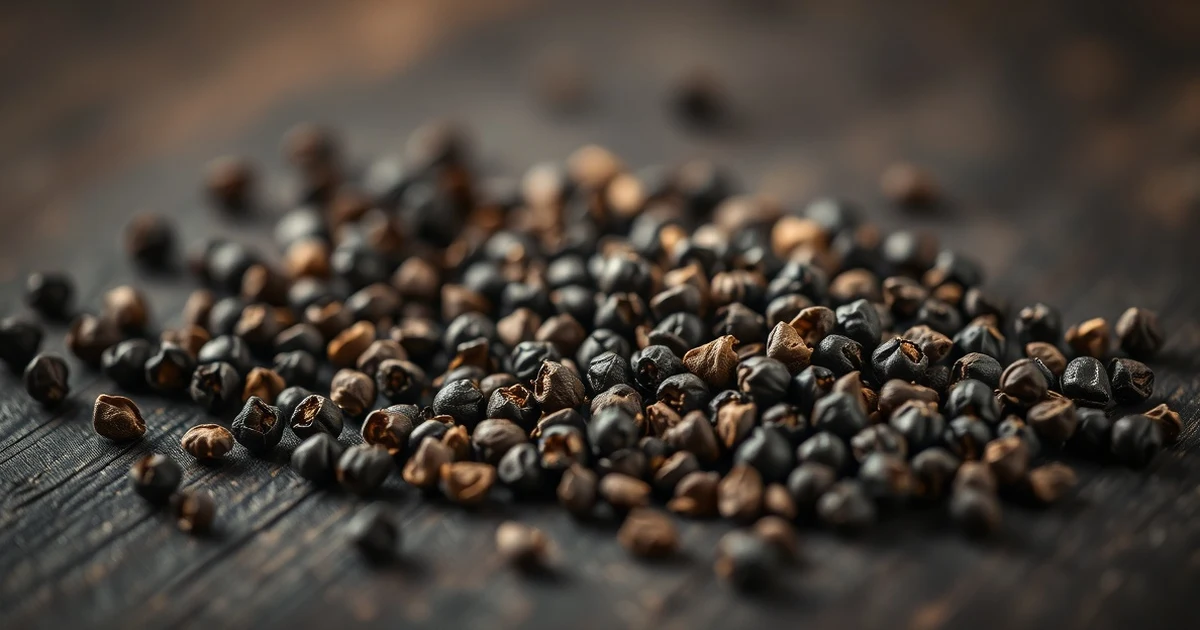
- Also found in: Black pepper, cloves, cinnamon, oregano
- Vaping temperature: 130°C (266°F)
- Reported effects: May reduce inflammation, stress-relieving
- Common in: GSC (Girl Scout Cookies), Original Glue, Purple Punch
Beta-caryophyllene is unique among terpenes because it can also act as a cannabinoid — it binds directly to CB2 receptors in the endocannabinoid system. This makes it the only known terpene that directly interacts with cannabinoid receptors, and researchers are exploring its potential anti-inflammatory applications.
Humulene — The Appetite Moderator
- Aroma: Earthy, woody, hoppy
- Also found in: Hops, sage, ginseng
- Vaping temperature: 198°C (388°F)
- Reported effects: May suppress appetite, potential anti-inflammatory
- Common in: White Widow, Headband, Skywalker OG
Humulene is the terpene responsible for the distinctive aroma of hops — which makes sense, as cannabis and hops are botanical cousins. Unlike many cannabis compounds associated with appetite stimulation, research suggests humulene may actually act as an appetite suppressant.
Terpinolene — The Wild Card
- Aroma: Complex — piney, floral, herbal, slightly citrus
- Also found in: Nutmeg, tea tree, cumin, lilac
- Vaping temperature: 186°C (367°F)
- Reported effects: Mildly sedating, uplifting in small amounts
- Common in: Jack Herer, Ghost Train Haze, Dutch Treat
Terpinolene is present in many cannabis strains but rarely as the dominant terpene. Its complex aroma profile makes it difficult to pin down, and its effects seem to vary depending on the surrounding terpene and cannabinoid profile. Research has explored its potential antioxidant and antibacterial properties.
Optimal Vaping Temperatures for Terpenes
One of the biggest advantages of vaporizing over smoking is the ability to target specific temperature ranges to activate different terpenes. Here's a quick reference chart:
| Terpene | Temperature | Key Aroma |
|---|---|---|
| β-Caryophyllene | 130°C / 266°F | Peppery, spicy |
| α-Pinene | 155°C / 311°F | Pine, fresh |
| Myrcene | 168°C / 334°F | Earthy, musky |
| Limonene | 176°C / 349°F | Citrus, lemon |
| Terpinolene | 186°C / 367°F | Piney, floral |
| Linalool | 198°C / 388°F | Lavender, floral |
| Humulene | 198°C / 388°F | Hoppy, earthy |
Pro tip: Start at a lower temperature (around 150°C / 302°F) and gradually increase. Quality vaporizers like those from Norddampf offer precise temperature control for this purpose. This lets you experience the full spectrum of terpenes, from the light, volatile ones to the heavier compounds that require more heat.
How to Identify Terpene Profiles
The easiest way to gauge a strain's terpene profile is simply to use your nose. Trust your senses:
- Citrus notes? Likely high in limonene
- Pine forest? Alpha-pinene dominant
- Earthy and musky? Myrcene-heavy
- Spicy, peppery? Caryophyllene forward
- Floral, lavender? Linalool present
Many lab-tested products now include terpene analysis on their labels, listing the top terpenes by percentage. When available, these provide the most accurate picture of what to expect.
The Future of Terpene Science
As cannabis research expands globally, our understanding of terpenes continues to deepen. Scientists are investigating synergistic combinations, therapeutic applications, and even developing terpene-enhanced cannabis products designed to produce specific effects.
The terpene revolution is just beginning — and the more you understand these fascinating compounds, the better equipped you'll be to find the strains, temperatures, and experiences that work best for you.
This article is for educational purposes only. The effects described are based on preliminary research and anecdotal reports. Always consult with a healthcare professional regarding any health-related decisions. Cannabis laws vary by jurisdiction — know your local regulations.
Frequently Asked Questions

Written by
The Green Treasure Editorial Team
Independent cannabis journalism backed by science. We cover terpenes, vaporizers, edibles, growing and health.