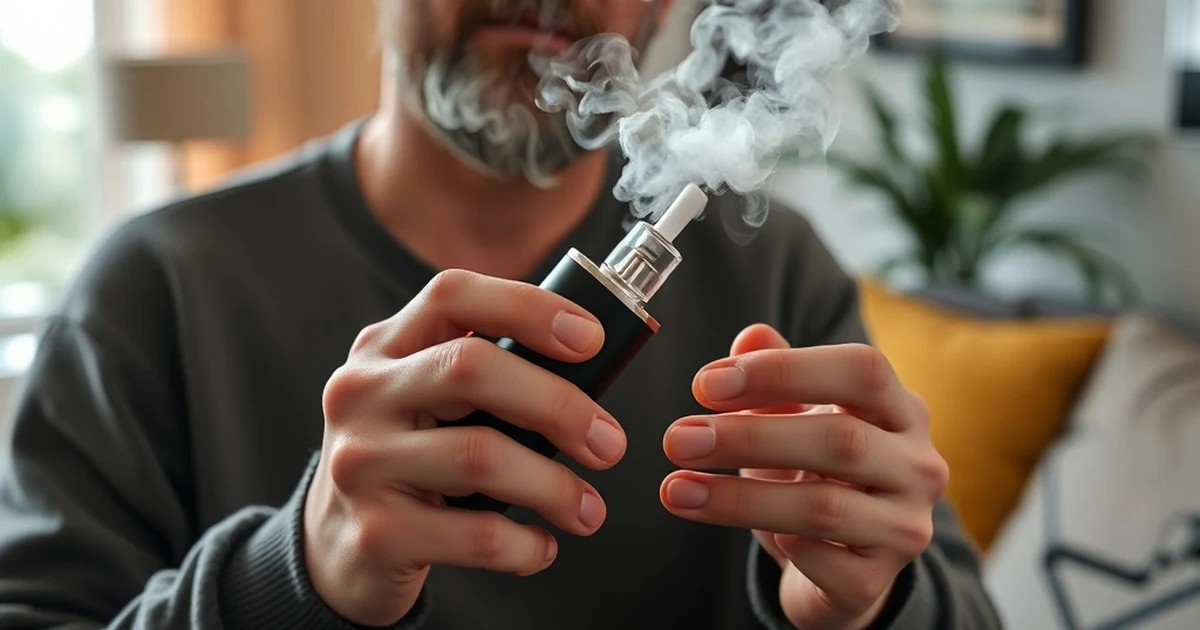
How to Vape Cannabis: A Beginner’s Guide to Dry Herb Vaporizers
Switching from smoking to vaping cannabis can feel overwhelming at first. There’s temperature talk, device types, packing techniques, and a learning curve that nobody warned you about. But here’s the good news: once you understand the fundamentals, vaping weed becomes intuitive—and far more rewarding than combustion ever was.
This how to vape cannabis guide covers everything you need to get started. You’ll learn about devices, master the technique, dial in optimal temperatures, stay safe, and troubleshoot common issues. Let’s get into it.
What Is a Dry Herb Vaporizer?
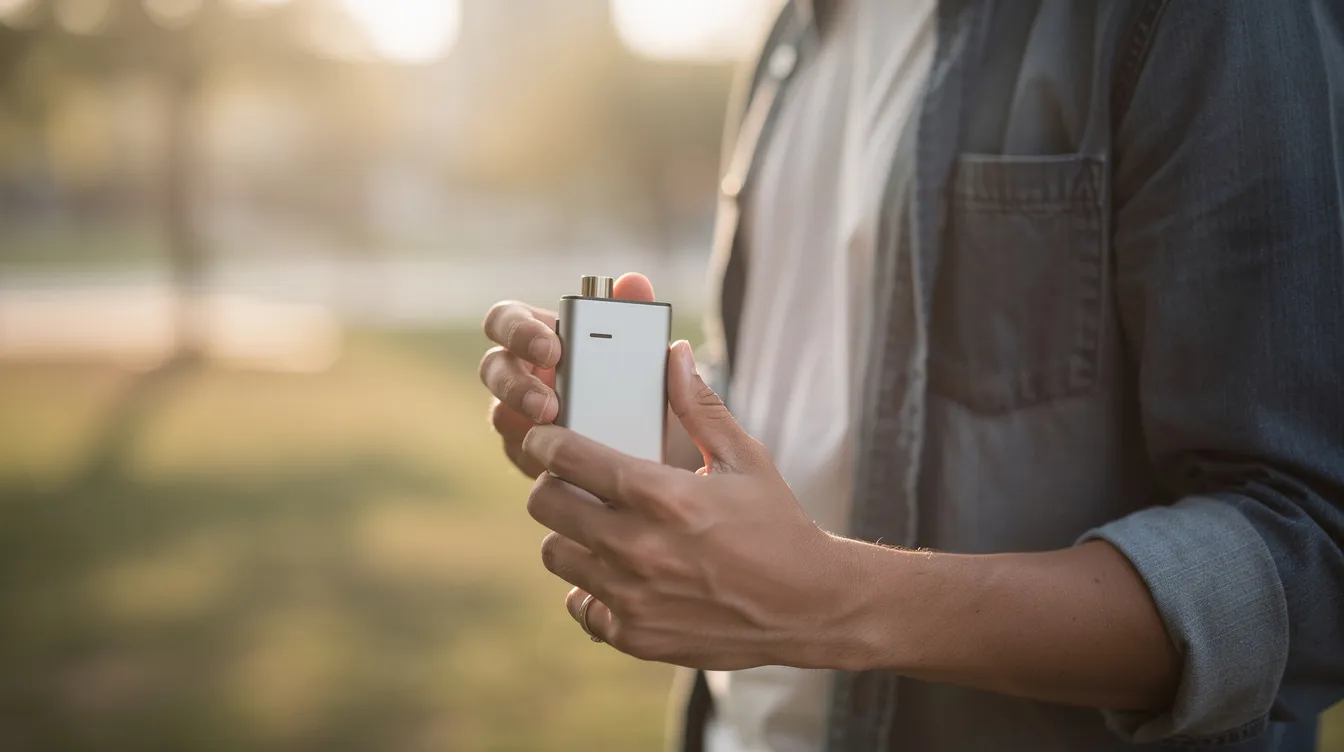
A dry herb vaporizer heats cannabis flower to temperatures between 160–210°C (320–410°F) without reaching the combustion point of around 230°C (446°F). Instead of smoke filled with tar and carcinogens, you inhale cannabis vapor containing cannabinoids like THC and CBD along with flavorful terpenes.
Vaporizers work through two primary heating methods:
Convection: Hot air passes through the herb, vaporizing compounds evenly
Conduction: The herb makes direct contact with a heated surface
This process preserves up to 95% more terpenes compared to burning, delivering better flavor and smoother hits.
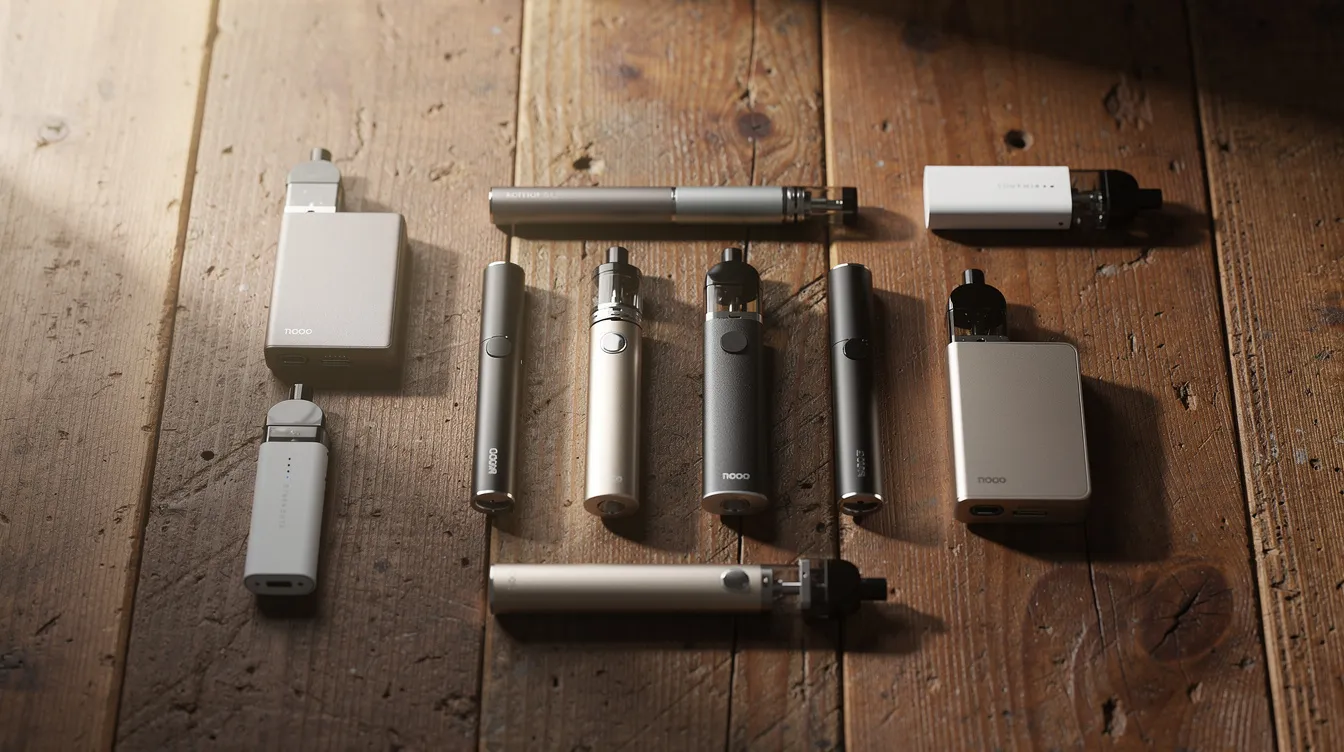
Portable dry herb vaporizers like the Pax or Mighty are battery-powered, compact devices weighing 100–300 grams. They offer 45–90 minute sessions per charge, with chambers holding 0.2–0.5g of ground herb. Most portable vaporizers feature hybrid heating for quick 20–60 second heat-up times.
Desktop vaporizers like the Volcano plug into outlets for unlimited sessions. They accommodate larger chambers (0.5–1g or more) and deliver superior convection heating for thicker clouds. Many users prefer these for home use despite their 5–10 pound weight.
Pen-style vaporizers resemble slim e-cigarettes with micro-chambers for 0.1–0.3g doses. A vape pen heats in 10–20 seconds via conduction coils, suiting micro-dosing but producing less vapor due to smaller airflow paths.
Types of Dry Herb Vaporizers And Materials
Different materials require different temperatures and devices. Here’s how they break down:
Material | Device Type | Best Temp Range | Notes |
|---|---|---|---|
Dry herb (flower) | Dry herb vaporizer | 180–210°C | Most efficient for cannabinoid extraction |
Concentrates (wax/shatter) | Dab pen or e-nail | 315–400°F | Requires quartz buckets or ceramic coils |
Live resin | Low-temp quartz devices | 350°F | Preserves 25–35% more terpenes |
Vape oils/carts | 510-thread pens | 374–455°F | Stick to lab-tested products |
Cannabis flower works exceptionally well with dry herb vaporizers due to precise temperature control. You can extract THC at 157°C (315°F), CBD at 180°C (356°F), and various terpenes from 120–220°C—avoiding the 30–50% potency loss that occurs with smoking cannabis.
For live resin and concentrates, use dedicated concentrate vaporizers. Dry herb vape screens clog easily with sticky extracts. Live resin, retaining 20–40% more terpenes than distillates, pairs best with low-temp devices to preserve its entourage effects.

How To Vape Weed: Step-By-Step (Beginner’s Guide)
This beginner’s guide walks you through every step of how to vape weed properly. Master these fundamentals and you’ll extract maximum flavor and effects from your herb.
Charge your device fully before first use. Most vaporizers use 18650 batteries requiring 1–3 hours for a full charge, providing 8–12 sessions. A low battery causes weak heat-up and inconsistent performance—not ideal for your first experience.
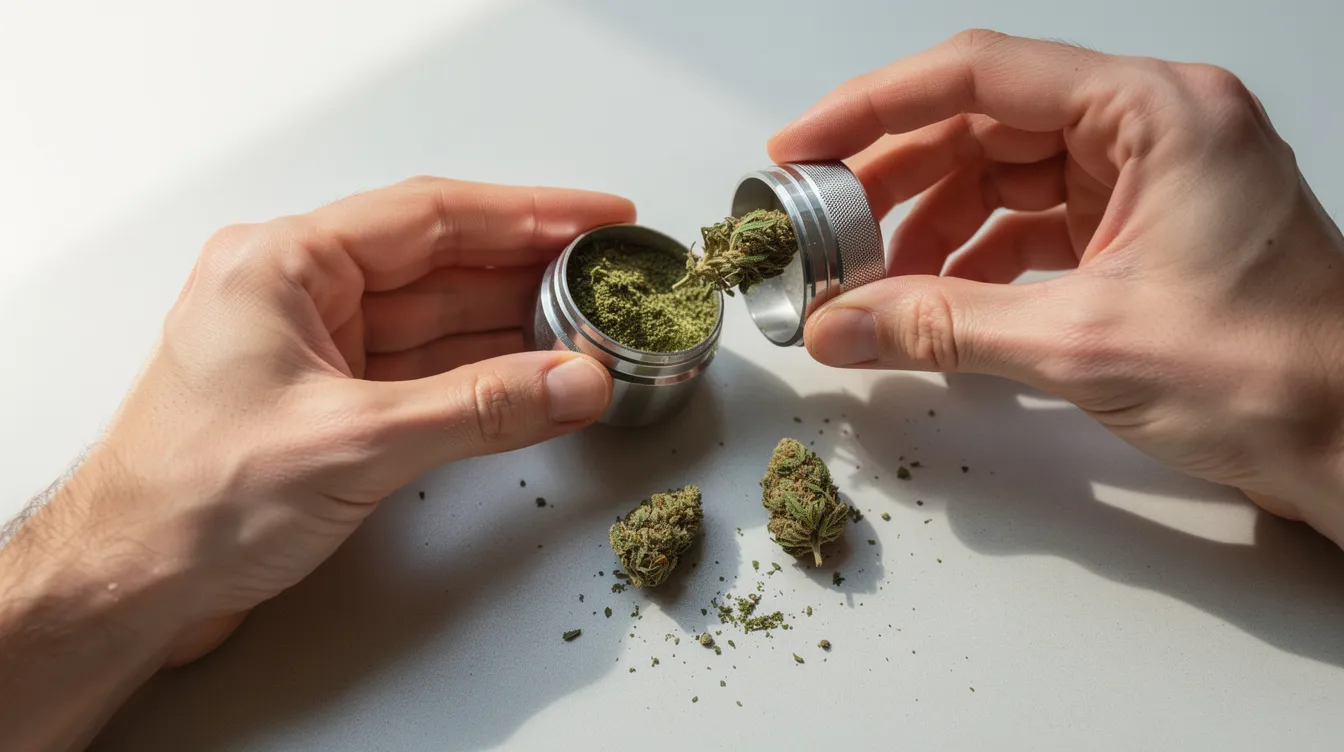
Grind your cannabis flower to a medium grind consistency. Think coarse like kosher salt, not powdery. Fine grinds under 0.5mm restrict airflow, while whole buds over 2mm vaporize unevenly. The optimal particle size sits around 1mm, boosting efficiency by 20–30%.
Measure a single-session dose. For portable vaporizers, 0.2–0.4g balances potency and session length. Desktop units handle 0.4–0.6g comfortably. This equates to roughly 5–10mg THC for micro-dosing or 20–50mg for full effects, depending on strain potency.
Loading & Packing: Pack Tight, But Not Too Tight
Fill the chamber with ground herb evenly to 80–90% capacity. Don’t overcompress—tight packs increase density but risk clogging the vapor path.
Leave a 1–2mm airflow gap at the top. You can confirm proper packing if a dab tool stirs easily through the chamber.
Tamp gently with a packing tool to ensure contact between herb and heating element. You want to pack tight enough for heat transfer while preserving draw resistance of 10–20mmH2O for optimal vapor production.
Heat Settings & Inhale Technique: Heat Settings, Inhale Slowly
Start at low heat settings between 160–175°C (320–347°F). This releases myrcene and limonene terpenes first, delivering uplifting flavors before you gradually increase toward cannabinoid extraction.
Increase temperature in 5–10°C increments every 2–3 draws. This unlocks pinene at 185°C and caryophyllene at 200°C, creating a layered vaping experience.
When you draw, inhale slowly and steadily for 3–5 seconds. Think sipping tea, not sucking through a straw. Slow draws at 1–2 liters per minute cool the vapor and maximize absorption without coughing.
Pause 30–60 seconds between draws. Effects onset in 2–5 minutes—cannabis vapor hits lighter than smoke, making it easy to overconsume if you rush.
Preheat, Prime, And Session Flow
Preheat your device to the set temperature before drawing. Wait for the vibration or LED indicator (typically 20–60 seconds) to stabilize extraction.
Take a few draws—2–3 short 1-second puffs—to prime fresh herb and initiate the vapor path without wasting material.
Mid-session, after 4–6 draws, stir or remix the load clockwise with a dab tool. This exposes unvaped interior herb, boosting yield by 15–25%.
Discard your herb when:
Vapor thins to wisps
Flavor turns grassy or burnt
Color darkens to brown-black
You’ve reached 8–15 draws (typically 10–20 minutes)
At this point, remaining THC drops below 5%.
Best Temperature & Heat Settings For Cannabis Flower And Live Resin
Finding the ideal temperature unlocks both flavor and effects. Here’s the breakdown by range:
Cannabis Flower Temperature Guide:
Temperature | Effects | Best For |
|---|---|---|
180–190°C (356–374°F) | Psychoactive high, THC-dominant | Daytime use, mental clarity |
190–200°C (374–392°F) | Balanced body effects via CBG/CBN | Relaxation, mild sedation |
200–210°C (392–410°F) | Full sedation, maximum extraction | Evening use, sleep support |
Studies show peak terpene release at 190°C preserves 80–90% of the flavor profile versus just 50% at higher temperatures.
Concentrates and Live Resin:
Keep heat settings between 315–400°F (157–204°C) for clean extraction. Live resin benefits from staying around 350°F to maintain its 25–35% terpene content.
Temperature Stepping:
For full-spectrum effects, try temperature stepping:
Start at 170°C for 5 minutes (flavorful terpenes first)
Step to 185°C (different cannabinoids vaporize)
Finish at 200°C (complete extraction)
This mimics a joint’s arc but uses 40% less plant matter.
Tips To Get More Vapor
Want denser vapor and more visible clouds? These adjustments help:
Raise temperature slightly (5–10°C) within safe limits under 220°C. Higher temperatures boost volatility without producing harsher vapor—if you stay controlled.
Pack chamber a touch tighter. Increase density to 15–25mmH2O resistance for better heat transfer and more vapor output.
Draw slower. Steady draws at 0.5–1L/min increase residence time, letting cannabinoids vaporize fully.
Ensure full battery charge. Under 20% charge drops output by 30–50%, reducing vapor production significantly.
Clean airways and screens weekly. Residue buildup of 0.1–0.2g can reduce airflow by 30–50%. A clean vape delivers consistent performance.
Dry Herb Vaporizers: Advanced Tricks For Better Flavor
Once you’ve mastered basics, these techniques elevate your vaping experience:
Terpene Surfing
Keep your device at lower temps (160–175°C) for 3–5 draws to savor strain-specific notes—citrus, pine, berry—before ramping up. This preserves flavorful vapor that burns off quickly at higher heat.
Temperature Stepping
As described above, sequential temperature increases unlock 10+ terpenes throughout your session for full-spectrum extraction. Start low, end high.
Sandwich Method
Layer small 0.05g concentrate doses between flower screens in hybrid vapes. This delivers clean dabs without sticky residue while combining both flavor profiles.
Upside-Down Bowl Trick
For conduction vapes, invert your chamber mid-session to heat overlooked bottoms evenly. This ensures the herb evenly extracts rather than leaving one side untouched.
Popcorn Test
Vape your AVB (already vaped bud) at 220°C. If it pops or browns quickly, your original extraction was incomplete—stir longer next time to find your sweet spot.
Smoking Cannabis Vs Vaping Cannabis
Understanding the differences helps you choose the right device and method for your needs.
Respiratory Impact:
Vaping cannabis eliminates 90–95% of tar, benzene, and carbon monoxide compared to smoking. Johns Hopkins research shows vapor contains 20–50% fewer toxins with smoother delivery via particle sizes under 1 micron.
Flavor:
Vaping preserves 80% of terpene content versus 40% with combustion. Smoking cannabis offers ritualistic combustion notes some users prefer, but vapor delivers cleaner, more distinct strain profiles.
Discretion:
Vapor produces 5–10x less odor, dissipating in 5–15 minutes versus hours for smoke. Many vaporizers are pocket-sized for on-the-go use without drawing attention.
When Smoking Makes Sense:
If social ritual or instant effects matter more than control, combustion delivers 60–70% bioavailable THC immediately. Some sessions call for rolling up, and that’s fine—but understand the trade-offs.
Vaping weed feels smoother on your lungs. Smoking hits harder but costs you in toxin exposure.
Safety, Quality, And Maintenance
Proper care extends device life to 2–5 years and protects your health.
Clean chamber and mouthpiece after each session. Use dual brushes and soak parts in 91% isopropyl alcohol for 5–10 minutes to prevent bacterial growth and resin clogs.
Replace screens and parts per manufacturer guidance. Stainless screens typically need replacement every 20–50 sessions or when warped.
Avoid unregulated cartridges. Vitamin E acetate in illicit carts caused 68 deaths in 2019–2020 per CDC data. Never use black-market cannabis products.
Buy lab-tested products from licensed vendors. Look for COAs (certificates of analysis) verifying <0.3% contaminants like pesticides or heavy metals. Clean your device regularly for the safest experience.
Troubleshooting Common Dry Herb Vaporizer Issues
Most problems have simple fixes:
Issue | Cause | Solution |
|---|---|---|
Weak vapor | Low battery or poor pack | Fully charge device; repack herb |
Uneven vaping | Hot spots in chamber | Stir mid-session to redistribute |
Harsh hits | Temperature too high | Lower heat settings 10–15°C |
Won’t power on | Power button issue or battery | Hold power button 5 seconds; consult manual |
If vapor becomes a bit harsher than expected, dropping temperature and taking steady draws usually resolves discomfort. A deep draw isn’t necessary—lighter pulls often deliver smoother vapor.
Many vaporizers include reset sequences in their manuals. Check firmware updates if your device supports them.
Where To Buy And Legal Notes
Buy from licensed dispensaries where recreational or medical cannabis is legal. As of 2023, 24 US states plus DC have legalized recreational cannabis, though federal Schedule I status persists.
Check product labels for testing information, cannabinoid percentages (typically 18–28% THC), terpene content (look for >2%), and residual contaminant results.
Research local laws before purchasing. Regulations vary significantly by jurisdiction—what’s legal in one state may carry penalties in another. Many users travel to legal states without realizing they can’t bring cannabis products home.
Beginner’s Guide: Quick Dos & Don’ts Summary
Do:
Start at the lowest effective temperature (160–170°C)
Wait 10–15 minutes between sessions to assess effects before increasing
Use a medium grind for optimal airflow
Clean your vaporizer after every session
Don’t:
Overpack the chamber—20% airflow loss ruins extraction
Inhale forcefully; slow draws work better
Hold vapor unnecessarily; absorption happens instantly
Use unverified or black-market cartridges with unknown contents
When in doubt, lower temps and slow draws produce smoother vapor without sacrificing effects.
Conclusion
Finding your personal sweet spot takes practice. Start with lower temperatures, take slow draws, and pay attention to how each session feels. Different temperatures unlock new compounds and flavors—experimentation is part of the process.
Every session refines your technique. Track what works: temperatures, grind consistency, packing density, draw speed. Over time, you’ll develop intuition for extracting maximum flavor and effects from your cannabis products.
For deeper reading, explore device reviews for portable vaporizers, desktop vaporizers, and concentrate vaporizers that match your consumption style. Your ideal setup is out there—this guide is just the starting point.
Related Articles
Frequently Asked Questions

Written by
The Green Treasure Editorial Team
Independent cannabis journalism backed by science. We cover terpenes, vaporizers, edibles, growing and health.
Stay in the green loop
Expert guides, terpene science, growing tips, and gear reviews — delivered to your inbox. No spam, ever.
No spam. Unsubscribe anytime.