What Is Rosin? A Beginner's Guide to This All-Natural Extract
Rosin is a pure, solventless cannabis concentrate made using heat and pressure. This method keeps all the plant’s natural benefits intact. Read on to find out: what is rosin, different types, the pressing process, and ways to use it.
Key Takeaways
Rosin is a solventless cannabis concentrate created through heat and pressure, making it a pure and natural product that retains beneficial properties of the plant.
Rosin comes in three main types—flower rosin, hash rosin, and dry sift rosin—each characterized by the starting material used, which affects flavor and potency.
The rosin pressing process is accessible for home production, requiring minimal equipment, and allows for a variety of uses including dabbing, smoking, or incorporating into edibles and topicals.
What Is Rosin?
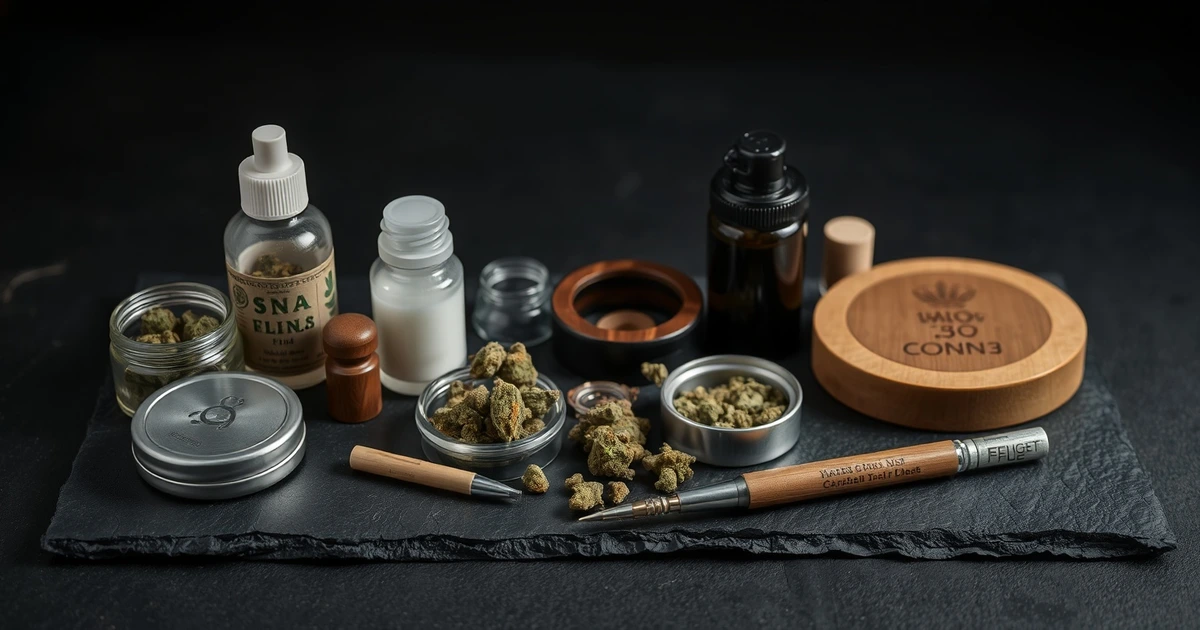
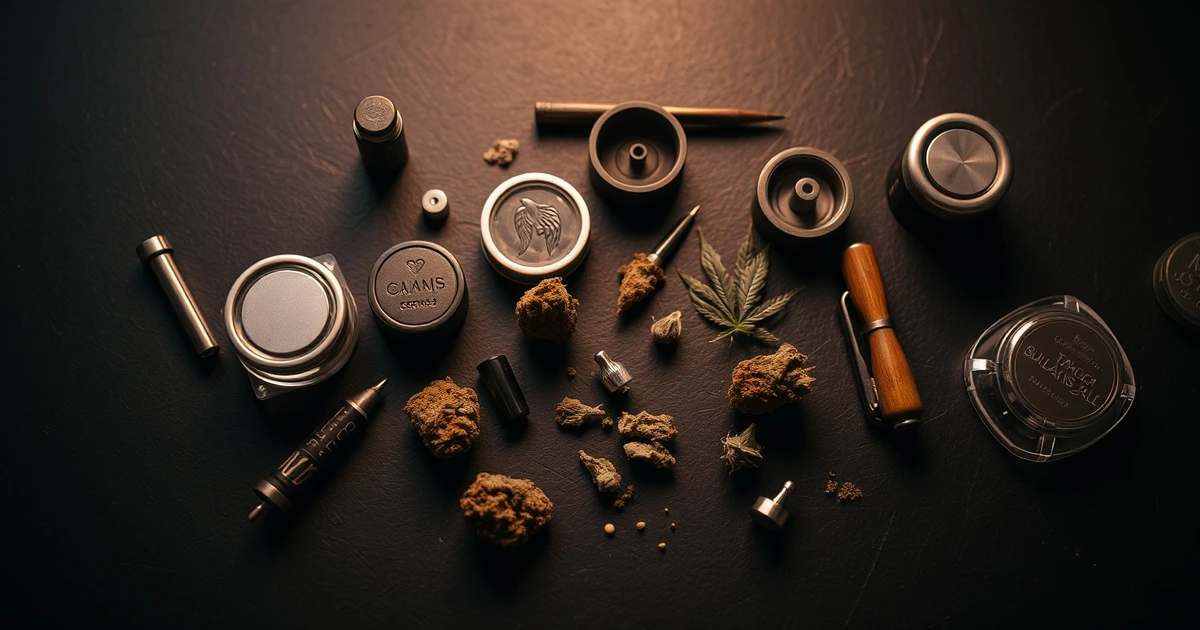
Rosin is a solventless cannabis concentrate created using heat and pressure to extract resinous oils from plant material, such as cannabis flower. This extraction method sets rosin apart from other cannabis concentrates that often rely on solvents like butane or ethanol. The result is a clean, pure product that retains all the beneficial properties of the original plant material.

High-quality rosin is characterized by its smooth texture, golden color, and fresh aroma. These attributes contribute to a clear, flavorful experience that is highly prized by cannabis enthusiasts. The extraction process can be performed on various types of plant material, including frozen or cured flowers, making rosin an incredibly versatile concentrate.
The rosin pressing process involves applying heat and pressure to cannabis flower, hash, or dry sift. This method ensures that the concentrate remains solventless, preserving the natural cannabinoids and terpenes. Unlike resin, which is extracted using solvents, rosin stands out for its purity and the straightforwardness of its extraction method. This makes rosin not only a popular choice among health-conscious users but also a favorite for those who appreciate the full-spectrum benefits of cannabis concentrates.

Types of Rosin
Rosin can be categorized into various types based on the starting material used, each offering unique characteristics and benefits. Generally speaking, there are three main types: flower rosin, hash rosin, and dry sift rosin. Each type is defined by its source material and the specific qualities it brings to the final product.
Flower Rosin
Flower rosin is produced by pressing dried cannabis flower with heat and pressure. This process is popular for its simplicity and the potent, flavorful concentrate it yields. High-quality flower rosin is noted for its rich flavor and potency, which are directly influenced by the quality of the cannabis flower used.
One of the appealing aspects of flower rosin is its ease of production at home. With the right equipment, such as a rosin press or even a hair straightener, enthusiasts can create their own high-quality rosin with minimal effort. This accessibility makes flower rosin a favorite among DIY cannabis users.
Hash Rosin
Hash rosin is made from hash or kief, which are concentrated forms of trichomes. The use of these refined materials results in a product with enhanced flavor and potency compared to regular cannabis extracts. The process of making hash rosin involves pressing kief or hash, which elevates the overall quality of the rosin, allowing users to smoke rosin for a superior experience.
The main difference between hash and regular rosin lies in their starting materials. While regular rosin is made from whole plant material, hash rosin comes from concentrated trichomes, leading to a more potent and flavorful product. This makes hash rosin a preferred choice for those seeking a superior cannabis concentrate experience.
Dry Sift Rosin
Dry sift rosin is extracted from dry sift, which is a refined form of kief. This type of rosin is known for its smooth texture and high-quality results. The refinement process involved in creating the dry sift ensures that the final rosin product is of premium quality.
The extraction process for dry sift rosin involves pressing the dry sift with heat and pressure, similar to other types of rosin. However, the starting material’s refined nature means that dry sift rosin often has a smoother consistency and superior quality. This makes it a highly sought-after concentrate among cannabis enthusiasts.
The Rosin Pressing Process
The rosin pressing process is a fascinating method that utilizes heat and pressure to extract resinous oils from cannabis flower or other plant materials. This solventless extraction method ensures that the final product is pure and free of any chemical residues.

The process involves placing the plant material between rosin press plates and applying controlled heat and pressure to release the oils. Hydraulic rosin presses are often preferred for their power and consistency in production.
Equipment Needed
To produce high-quality rosin, you’ll need some essential tools. The basic equipment includes:
A rosin press, which is the central piece of equipment featuring two heated plates that apply pressure and heat to the plant material
Parchment paper
Rosin filter bags
Parchment paper is used to collect the extracted rosin, while filter bags help ensure that only the resinous oils are extracted, leaving behind unwanted plant material.
Step-by-Step Guide
Preparing the cannabis flower is the first step in the rosin production process. This involves:
Selecting high-quality, well-cured buds and ensuring they are free of contaminants.
Placing the flowers in rosin filter bags.
Positioning the bags between the heated plates of the rosin press.
Keeping the pressing temperature under 300°F (148°C) to prevent degradation of cannabinoids.
Many enthusiasts recommend a temperature range of 170-200°F for optimal results.
Once the pressing process is complete, the rosin cools and is collected from the parchment paper. The resulting product is a wax-like substance that becomes brittle like shatter in solid form as it cools.
To activate the THC in the rosin for edibles or topicals, it must undergo decarboxylation, a process of heating the rosin to a specific temperature to activate its cannabinoids. This step ensures that the rosin delivers the desired effects when consumed.
Common Problems and Solutions
Achieving optimal results in the rosin pressing process can sometimes be challenging. One common issue is uneven heat distribution, which can be mitigated by using a consistent compact two channel temperature setting and ensuring even pressure across the press plates. Starting the pressing process at a low desired temperature, around 170 degrees Fahrenheit, can help preserve the cannabinoids and terpenes, resulting in a higher quality rosin.
Pressure-related problems, such as applying too much pressure, can cause the rosin to become a dark color and less desirable. Pre-pressing the plant material can help adjust for higher yields, better quality rosin, and overall performance.
The quality of the starting material is also crucial; using high-quality cannabis flower or hash will result in consistent results, better yield, and more potent rosin, especially when there is enough rosin.
How to Use Rosin
Rosin’s versatility makes it a popular choice among cannabis enthusiasts. Key points about its use include:
One of the most common methods of consumption is dabbing, which offers robust flavors and potent effects.
Using a dab tool is essential for handling the sticky concentrate effectively.
Rosin can be infused with extra terpenes to enhance its flavors and effects.
Beyond dabbing, rosin can be smoked, incorporated into edibles, or used to create topical creams.
Smoking Rosin
Smoking rosin typically involves using a dab rig or vaporizer. When using a dab rig, follow these steps for the best experience:
Heat the nail.
Allow it to cool for 30-60 seconds before applying the rosin to preserve flavors and avoid harsh hits.
Keep the temperature between 450°F to 550°F to maximize flavor and minimize terpene degradation.
Using a carb cap while inhaling during dabbing helps trap the heat and ensures that the rosin vaporizes more effectively. This method enhances the overall smoking experience, making it more enjoyable and efficient.
Making Edibles and Topicals
Decarboxylation, which activates the cannabinoids, is the first step to making edibles or topicals with rosin. This process involves:
Heating the rosin at a specific temperature until it becomes active.
Infusing the decarboxylated rosin into fats such as butter or oil.
Using the infused fats in various recipes.
The versatility of rosin allows for creative approaches in homemade recipes. Infused rosin can enhance a variety of dishes, from baked goods to savory meals, providing a unique way to consume cannabis. Additionally, rosin can be used to create effective topical creams for localized relief.
Benefits of Rosin
One of the primary benefits of rosin is its purity, achieved through a solventless extraction process. This makes rosin a preferred choice for those seeking a natural product free from chemical residues. The process preserves the full spectrum of cannabinoids and terpenes, resulting in a concentrate with a balanced profile and rich flavor.

Medical users particularly appreciate rosin for its high potency and purity, which can provide effective relief for various ailments. The versatility of rosin allows it to be used in multiple ways, including dabbing, vaping, and adding to edibles, catering to different preferences and needs.
Rosin’s production process is also more sustainable compared to solvent-based methods. It requires less energy and eliminates harmful chemicals, making it an eco-friendly choice. Additionally, dry sift rosin is known for its purity and higher potency, further enhancing its appeal to cannabis enthusiasts.
Comparing Rosin to Other Concentrates
Rosin stands out among cannabis concentrates due to its solventless nature. Unlike other concentrates that require solvents like ethanol or butane, rosin is produced solely through heat and pressure, resulting in a cleaner, purer product. High-quality rosin is free of contaminants and has a consistent color and texture, making it a favorite among cannabis connoisseurs.
Rosin can be found in different forms, such as boxed or cake, each offering unique qualities. Compared to shatter, rosin’s texture and extraction method highlight its distinctive characteristics.
Rosin vs Resin
Rosin and resin are both cannabis concentrates, but their extraction methods differ significantly. Rosin is created through a solventless process involving heat and pressure, while resin typically requires chemical solvents like butane. This difference in extraction methods results in rosin being a cleaner and more natural product.
Resin extraction can introduce additional chemicals into the final product, which may not be ideal for health-conscious users. Rosin’s solventless extraction method ensures that the concentrate remains pure, free from chemical residues, and retains the full spectrum of cannabinoids and terpenes. This makes rosin a superior choice for those seeking a high-quality, natural cannabis concentrate.
Rosin vs Live Rosin
Traditional rosin is extracted from dried or cured cannabis flowers, while live rosin is made from fresh-frozen cannabis flower. The starting material significantly impacts the final product’s flavor and potency.
Live rosin is known for preserving the fresh flavors and aromas of the cannabis plant, as the fresh-frozen material retains more of the plant’s natural terpenes and cannabinoids. In contrast, traditional rosin made from dried flower may have a slightly different profile due to the curing process.
Both types of rosin offer unique advantages, catering to different preferences and uses.
Can You Make Rosin at Home?
Making rosin at home is not only accessible but also relatively safe, requiring only quality cannabis and some basic equipment. The essential tools include:

A rosin press or a DIY setup using a hair straightener
Parchment paper
Cannabis flower or kief With minimal investment, enthusiasts can produce high-quality rosin in the comfort of their own homes.
Safety is paramount when making rosin at home. Ensure you use appropriate techniques and equipment to avoid any hazards. Following best practices, such as maintaining the correct temperature and pressure, will help achieve the best results while ensuring a safe extraction process.
Summary
Rosin stands out as a pure, solventless cannabis concentrate that offers a unique combination of potency, flavor, and versatility. From the initial extraction process using heat and pressure to the various types of rosin available, this guide has explored the many facets of this remarkable concentrate. Whether it’s flower rosin, hash rosin, or dry sift rosin, each type offers distinct advantages and caters to different preferences and needs.
The benefits of rosin extend beyond its purity and potency. Its full-spectrum nature ensures a balanced profile of cannabinoids and terpenes, making it a favorite among both recreational users and medical patients. Additionally, the sustainable and natural extraction process of rosin aligns with the growing demand for clean, eco-friendly cannabis products. As you explore the world of rosin, remember that its versatility allows for various consumption methods, from dabbing and smoking to making edibles and topicals. Embrace the purity and potency of rosin and enjoy the full spectrum of benefits it has to offer.
Frequently Asked Questions
Rosin is a solventless cannabis concentrate obtained by applying heat and pressure to extract resinous oils from the plant, known for its purity and potent effects. Its full-spectrum benefits make it a popular choice among cannabis users.

Flower rosin is created from pressing dried cannabis flower, whereas hash rosin is derived from hash or kief, resulting in hash rosin generally having stronger flavor and potency due to a higher concentration of trichomes.
Yes, you can make rosin at home using a rosin press or a DIY setup with a hair straightener, parchment paper, and quality cannabis. Just ensure you have the right tools for a safe and effective process.
Using rosin provides a pure, full-spectrum, and high-potency option that is versatile and more sustainable than solvent-based concentrates. Its eco-friendly nature makes it an appealing choice for those looking for quality without compromising on environmental impact.
You can consume rosin by dabbing, smoking, or adding it to edibles and topicals, allowing you to experience its potent and flavorful effects in various ways. Choose the method that best suits your preference for an enjoyable experience. For a complete overview of cannabis laws by country, see our interactive weed legalization world map.
\n
Written by
The Green Treasure Editorial Team
Independent cannabis journalism backed by science. We cover terpenes, vaporizers, edibles, growing and health.
Stay in the green loop
Expert guides, terpene science, growing tips, and gear reviews — delivered to your inbox. No spam, ever.
No spam. Unsubscribe anytime.