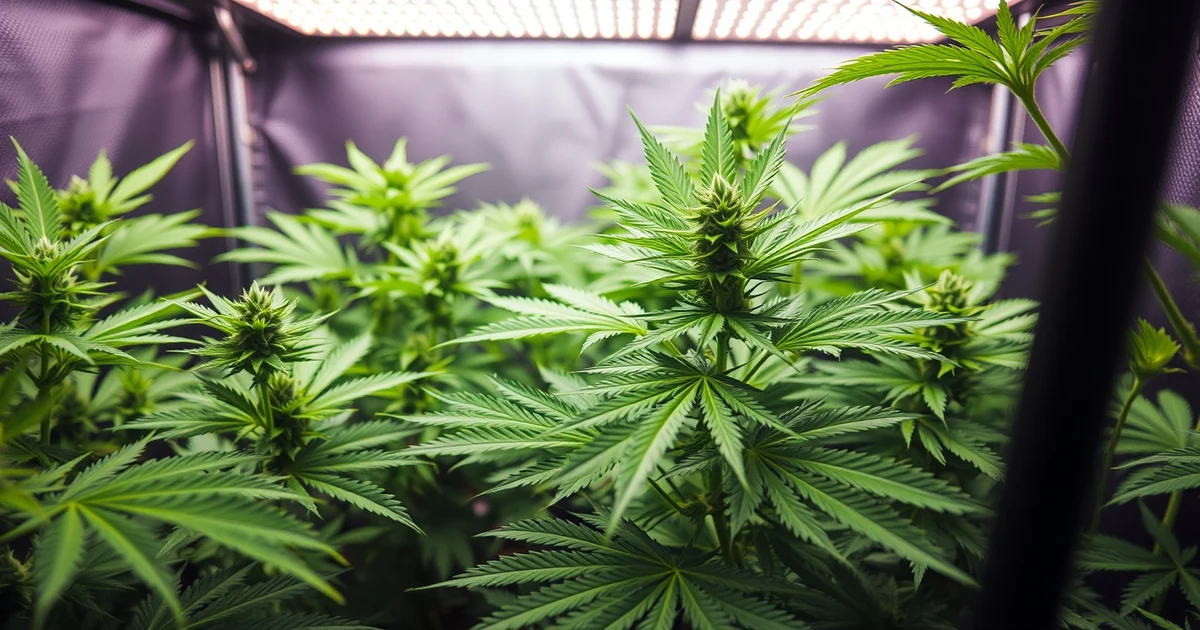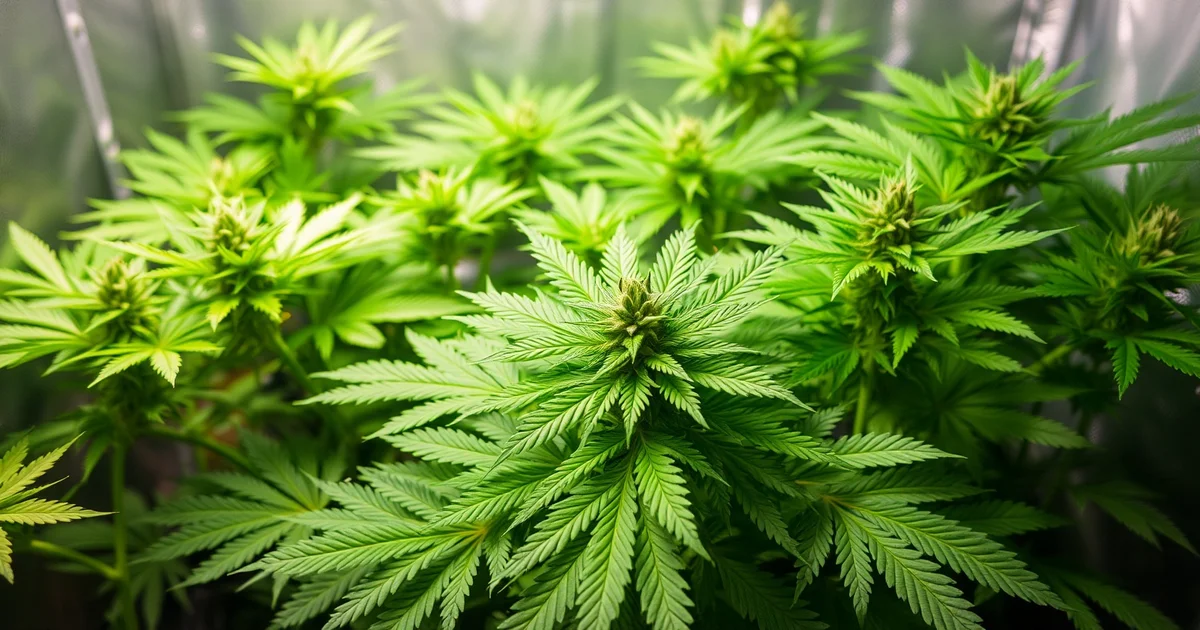
Feminized vs Autoflower Seeds: The Ultimate Grower's Comparison
Feminized vs autoflower seeds: how do you choose? Feminized seeds depend on light cycles for flowering and usually yield more. Autoflower seeds flower automatically based on age and grow faster. This guide will help you understand which type suits your needs best.
Key Takeaways
Feminized seeds guarantee only female plants, leading to higher yields and eliminating the need to remove males, which is ideal for experienced growers aiming for maximum efficiency.
Autoflowering seeds flower based on age rather than light schedules, making them suitable for beginners due to their quick growth cycles, resilience, and ease of cultivation.
The choice between feminized and autoflowering seeds depends on grower experience, available space, and desired yield, with each type offering distinct advantages for different cultivation goals.
Understanding Cannabis Seed Types
Cannabis seeds are primarily categorized into two types: photoperiod strains and autoflowering. The genetic code of a cannabis plant dictates its characteristics, including growth patterns, potency, and yield, making it crucial to understand these details for successful cannabis cultivation.

For new growers and experienced cultivators alike, understanding seed characteristics is important because it helps achieve the best cultivation results.
What Are Feminized Seeds?
Feminized seeds are specifically bred to produce only female plants, ensuring that every plant grown will yield smokable buds. Key benefits include:
Nearly 100% reliability in producing female plants
Elimination of the need to identify and remove male plants
Popularity among commercial and experienced growers
Maximum efficiency and higher yields
These photoperiod seeds are dependent on photoperiod for growth, meaning they require a specific light cycle to transition from the vegetative stage to the flowering stage. Typically, this involves adjusting the light cycle to 12 hours of light and 12 hours of darkness to trigger flowering.
The purpose of feminized cannabis seeds is to produce exclusively female plants for optimal bud production, making them a strategic choice for growers aiming for larger harvests.
What Are Autoflowering Seeds?
Autoflowering seeds are derived from a mix of sativa or indica strains with cannabis ruderalis genetics, allowing them to flower based on age rather than light cycles. Key points about autoflowering seeds include:
Their genetics originate from cannabis ruderalis, a plant adapted to harsh climates.
This adaptation gives the seeds their unique ability to flower automatically.
The automatic transition to the flowering stage typically occurs within 2 to 4 weeks after germination, thanks to autoflower genetics.
The growth cycle of autoflowering seeds is a rapid growth cycle, with most varieties completing their lifecycle from seed to harvest within 10 to 13 weeks. This eliminates the need for growers to change light schedules, simplifying the cultivation process and making autoflowering seeds a practical choice for those with limited time or experience.
Regular Cannabis Seeds
Regular cannabis seeds are standard seeds that can produce both male and female cannabis plants. These seeds provide a 50% chance of producing either male or female plants, which is crucial for those looking to breed new strains.
Old school commercial growers often prefer regular cannabis seeds for breeding purposes, as most growers allow them to cultivate their own seeds and develop new and unique cannabis strains.

Key Differences Between Feminized and Autoflowering Seeds
When it comes to choosing between feminized and autoflowering seeds, understanding their key differences can guide you toward the best choice for your grow. Autoflowering seeds transition to flowering based on age, whereas feminized seeds require specific light cycles to induce flowering. This fundamental difference in growth requirements influences their cultivation techniques and overall yield potential.
Feminized seeds typically produce larger yields due to their longer vegetative periods and the exclusive production of female plants, enhancing the overall harvest potential. In contrast, autoflowering strains offer speed and ease of cultivation, often yielding in half the time compared to feminized strains.
Both seed types can be feminized, allowing for more control over the cultivation process despite different growth requirements.
Growth Requirements
Feminized plants generally need a light cycle of 12 hours on and 12 hours off to start flowering. This 12-hour darkness is critical, as any light leaks can disrupt the flowering process. In contrast, autoflowering seeds typically initiate flowering within 2 to 4 weeks after germination based on an internal schedule, allowing them to thrive under a consistent 18/6 light schedule from start to finish.
Autoflowering seeds are generally smaller and suited for confined spaces compared to feminized seeds, which can grow larger and require more space. They also require less care and maintenance, as they have a fixed schedule and less recovery time, making them ideal for new growers or those with limited time.
On the other hand, the cannabis growing guide process for feminized seeds requires a more hands-on process and strict light cycles for optimal results.
Yield and Potency
Feminized photoperiod plants usually yield larger harvests compared to autoflowering strains due to their longer growth periods. Factors such as smaller size and faster growing times limit the vegetative growth of autoflowering seeds, affecting their yield potential. However, some outdoor strains of feminized seeds and feminized photoperiod seeds can achieve significant yields, ranging from 2-3 pounds per plant.
In terms of potency:
Feminized seeds generally provide higher yields and higher potency compared to autoflowering seeds.
Modern autoflowering strains have significantly improved in both potency and flavor, sometimes reaching THC levels comparable to feminized plants.
High-quality autoflowering varieties can achieve THC levels around 25%, showing significant advancements in their potency.
Cultivation Techniques
Feminized seeds have an advantage in training due to their distinct vegetative stage, allowing them to recover from various training techniques effectively. Techniques like the SCROG method are suitable for feminized seeds because they allow the plants to vegetate long enough to fill out the screen, achieving large yields.
Gentle low-stress training techniques like ScrOG and Sea of Green (SOG) are recommended to improve the yield of autoflowering seeds. Using high-stress training on autoflowering seeds can stunt their growth, making it crucial to avoid overwatering and high-stress training techniques to minimize the risk of stress leading to stunted growth.
Advantages of Growing Feminized Cannabis Seeds
Growing feminized cannabis seeds comes with numerous advantages:

They ensure that every plant grown produces smokable buds.
They maximize the efficiency of the grow space.
They lead to bigger yields compared to regular seeds.
Experienced growers often prefer feminized seeds for their higher yields and greater control over the cultivation process.
Feminized seeds offer several advantages for growers:
They allow manipulation of growth via light cycles, providing more control over the vegetative and flowering phases.
They eliminate the need to identify and remove male plants, saving time and resources.
Cloning from a single mother plant is easier, allowing for consistent production.
Higher Yields
Feminized seeds are highly sought after by growers because they significantly increase the likelihood of bigger cannabis yields. A key reason growers choose feminized seeds is their ability to produce higher yield and potency compared to regular seeds.
Factors that can lead to spectacular yields from feminized seeds include:
Long vegetative growth
SCROG (Screen of Green) conditions
Experienced growers utilizing quality genetics
Use of powerful LED lights
Control Over Growth Cycle
Feminized seeds provide longer vegetative growth period, allowing growers to exert control over plant size and structure. With feminized seeds, control over the vegetative stage enables the potential to cultivate larger plants and maximize efficiency.
Growers can induce flowering in feminized seeds by switching to a 12/12 light and dark cycle. One major limitation of autoflowering plants is the inability to control the flowering stage, which restricts training and shaping.
Elimination of Male Plants
Male cannabis plants do not produce buds and can pollinate female plants, which can negatively impact harvests. Using feminized seeds ensures that only female plants are grown, eliminating the issue of male plants entirely, as males produce pollen and can also produce female plants.
This reduces the overall workload for growers since there is no need to remove male plants, allowing for a more efficient and focused cultivation process.
Advantages of Growing Autoflowering Cannabis Seeds
Autoflowering strains are ideal for growers looking for quick results due to their rapid life cycle. With autoflowering seeds, growers can potentially achieve three or four harvests in a year. These seeds offer fast growth, low maintenance, and a short life cycle, making them accessible for novice growers and those with limited time.
Autoflowering seeds thrive in a variety of conditions and are suitable for limited growing spaces like a balcony or small tent. They are also budget-friendly as their shorter grow cycle may reduce nutrient and electricity costs. Overall, autoflowering seeds combine speed, simplicity, and resilience, making them an advantageous choice for many cultivators.
Faster Growth Cycles
Most autoflowering varieties complete their growth cycle within 7 to 10 weeks. The typical time frame from seed to harvest for autoflowering seeds is 8 to 10 weeks, allowing for multiple harvests throughout the year.
Autoflowering seeds begin to flower during the flowering stage automatically after a few weeks, independent of light cycles. This unique trait allows growers to cultivate auto flowering seeds without worrying about light cycle adjustments.
Ease of Cultivation
Autoflowering seeds are ideal for beginners or anyone looking for a fast and simple grow. Cultivators prefer modern autoflower strains for their straightforwardness and consistent results. Autoflowering seeds generally require less maintenance, making them suitable for novice growers. They are naturally small and compact, making them advantageous in smaller grow spaces. When considering autoflower vs traditional strains, the differences become clear.
Northern Lights Autoflower is appealing to beginners due to its vigorous growth and ease of cultivation.
Resilience and Versatility
Autoflowering seeds thrive in a variety of environments, making them highly versatile for different growing conditions. Their adaptability includes:
Successful growth in growing in a tent, outdoor, and hydroponic environments
Increased resilience to environmental stress
Ability to withstand fluctuations in growing conditions
The compact size of autoflowering plants makes them ideal for indoor growing, ensuring that they can fit in limited spaces and operate subtly.
Practical Tips for Growing Autoflowering and Feminized Seeds
To optimize the cultivation process for both autoflowering and feminized seeds, it’s essential to follow certain practical tips. Low-stress training methods such as ScrOG and SOG can enhance the yield of autoflowering seeds, while feminized seeds allow for high-stress training techniques due to their distinct vegetative phase that enables recovery.

Maximizing yield from autoflowering plants often involves keeping the cultivation process simple, minimizing steps to reduce stress on the plants. Additionally, growing with feminized seeds allows cultivators to maintain a consistent strain by utilizing cloning techniques, ensuring a reliable and steady production.
Light Schedules
Autoflowering plants can thrive under continuous light schedules, with many growers recommending a consistent light schedule of 18 to 24 hours of light from seedling to harvest. This consistency eliminates the need for adjustments and simplifies the growth process.
In contrast, to trigger the flowering phase in feminized seeds, growers need to shift from 18 hours of light to 12 hours of light and darkness to begin flowering. This shift is crucial for photoperiod plants to bloom and achieve their full potential.
Autoflowering seeds typically take 10-14 weeks to grow from seed to harvest, while they can be ready in about 10-11 weeks when grown indoors.
Nutrient Management
Nutrient management is crucial for ensuring optimal growth and yield in growing cannabis plants. Feminized plants should follow a standard feeding schedule and adjust as needed, while autoflowering plants should start with a quarter to half the dose recommended on nutrient bottles. This gradual introduction prevents nutrient burn and stress due to their short lifecycle.
Bloom-specific nutrient formulas, which are higher in phosphorus and potassium, should be used during the flowering stage of autoflowers to help them bloom automatically. Maintaining soil pH is critical for autoflowering plants since their short lifespan gives little time to recover from nutrient lockout.
Flushing plants before harvest is crucial as it removes excess mineral salts from the soil and the plant.
Stress Management
Managing nutrient levels is vital to avoid stress, as nutrient overload can stifle the growth of autoflowering plants. Overwatering can lead to root rot and stunted growth, especially in seedlings.
High-stress training techniques on autoflowering plants can overwhelm them, impacting growth negatively. Feminized photoperiod plants are more forgiving with training methods, allowing time for recovery and minimizing the risk of stress.
Choosing the Right Cannabis Seeds for Your Grow
Selecting the appropriate cannabis seed type depends on various factors, including grower experience, goals, and available resources. Autoflower and feminized seeds are the two main types available for home growers.
When choosing cannabis seeds, it’s important to consider:
The grower’s experience level, as some seed types are better suited for beginners than others.
Personal objectives and the growing environment, including desired outcomes and efficiency.
Factors such as available space, climate, and resource allocation when choosing between autoflowering or feminized seeds.
Beginner vs Experienced Growers
Autoflowering seeds are the most suitable type of cannabis seeds for beginners. They are forgiving and resilient, making them easier for new growers to manage.
Feminized seeds may be better for experienced growers because:
They allow the application of sophisticated farming methods.
They require a precise light cycle.
They are more suited for growers who can meet these specific needs.
Space and Time Considerations
Feminized seeds typically require more time to grow compared to autoflowering varieties. They can also grow much larger than autoflowering plants, thus requiring more space.
Autoflowering seeds are designed to:
Stay compact, making them suitable for limited growing areas
Reach a maximum height of up to four feet, allowing for optimized use of vertical space
Be grown indoors, which allows for better control over environmental conditions
Both seed types can be grown through indoor cultivation, which allows for better control over environmental conditions.
Desired Yield and Potency
Choosing cannabis seeds based on desired yield and potency is crucial for growers aiming for specific outcomes in their cultivation. Autoflowering seeds allow for multiple harvests throughout the year, making them advantageous for growers seeking higher yields over time.
Strains like White Widow are known for their substantial resin output, indicating high potency that may be desirable for growers focused on quality.
Summary
In summary, both feminized and autoflowering seeds offer distinct advantages that cater to different grower needs and preferences. Feminized seeds provide higher yields, control over the growth cycle, and the elimination of male plants, making them ideal for experienced growers seeking maximum output. On the other hand, autoflowering seeds boast faster growth cycles, ease of cultivation, and resilience, making them perfect for beginners or those with limited time and space.

Choosing the right cannabis seeds for your grow depends on your experience level, goals, and available resources. By understanding the unique characteristics and benefits of each seed type, you can make an informed decision that will lead to a successful and rewarding cannabis cultivation journey. Happy growing!
Related Articles
Frequently Asked Questions
Feminized seeds produce only female plants and require specific light cycles for flowering, resulting in higher yields. In contrast, autoflowering seeds flower based on age, making them easier to grow and suitable for beginners.
Experienced growers prefer feminized seeds for their higher yields and greater control over the growth cycle, as these seeds eliminate the need to identify and remove male plants. This efficiency ultimately leads to a more productive cultivation process.
Autoflowering seeds simplify cultivation by automatically transitioning to the flowering stage with age, which removes the need for light cycle adjustments and minimizes maintenance tasks. This makes the growing process more straightforward for cultivators.
Autoflowering seeds are perfect for beginners due to their resilience and low maintenance needs, enabling easier cultivation. Additionally, their quick growth cycle allows for multiple harvests annually.
Feminized seeds require a 12/12 light cycle to trigger flowering, while autoflowering seeds can thrive under continuous light schedules of 18 to 24 hours and begin to flower based on their age. Thus, understanding these light requirements is crucial for successful cultivation.

Written by
The Green Treasure Editorial Team
Independent cannabis journalism backed by science. We cover terpenes, vaporizers, edibles, growing and health.
Stay in the green loop
Expert guides, terpene science, growing tips, and gear reviews — delivered to your inbox. No spam, ever.
No spam. Unsubscribe anytime.