vaping vs smoking weed health">What Is Dry Herb Vaping?
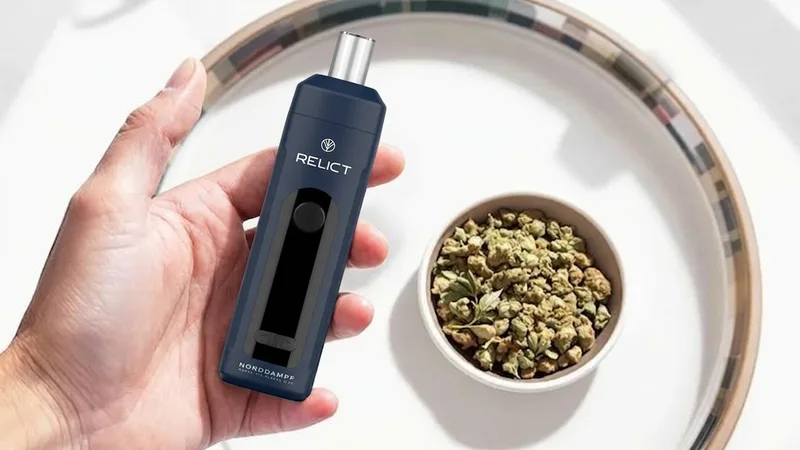
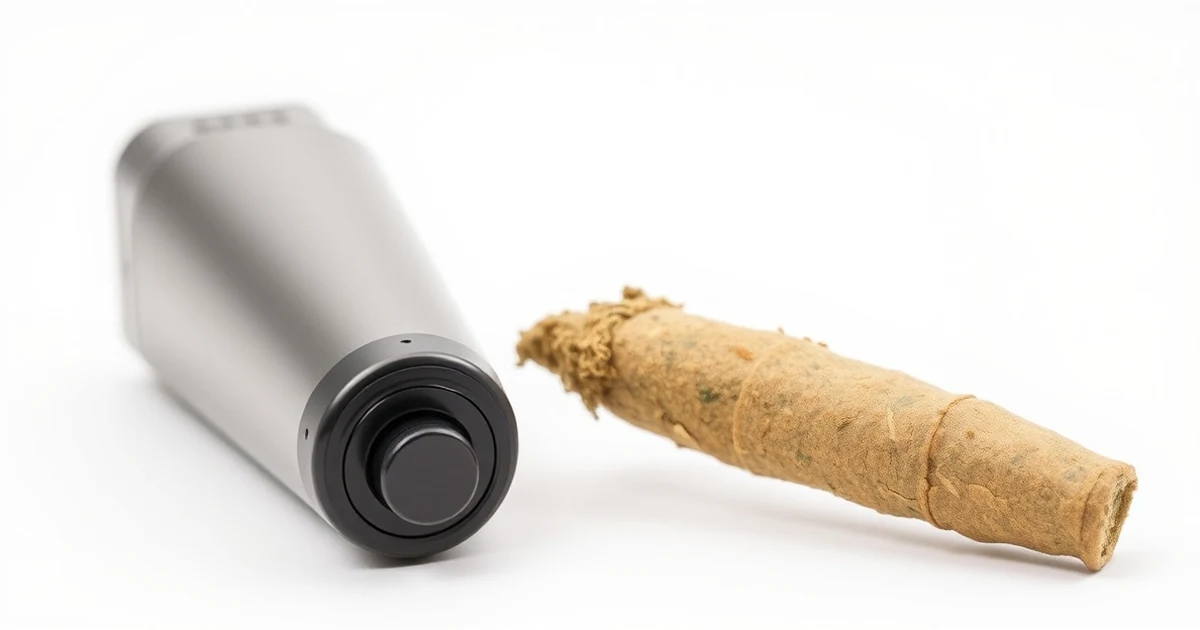
Dry herb vaping involves heating ground cannabis flower in a specialized Storz & Bickel VEAZY for health-conscious users — a dry herb PAX FOUR dry herb vaporizer — to a temperature that releases cannabinoids and alpha-pinene effectss as an inhalable vapor, without reaching the point of combustion. Unlike smoking, which burns plant material at temperatures exceeding 600°C (1112°F), vaporizers typically operate between 160°C and 230°C (320°F to 446°F).
The concept is straightforward: by staying below the combustion threshold of approximately 230–235°C (446–455°F), vaporizers aim to extract the active compounds from cannabis while producing fewer of the harmful byproducts associated with burning. But does lower temperature automatically mean lower risk? The answer, as current research suggests, is more nuanced than many users assume.
With the growing popularity of dry herb vaporizers worldwide, understanding the potential health implications has become increasingly important. This article examines what the science currently tells us — and where significant gaps in our knowledge remain.
How Dry Herb Vaping Differs from Smoking
The fundamental difference between vaping and smoking cannabis lies in the heating mechanism. Smoking involves combustion — the complete burning of plant material — which generates thousands of chemical compounds, many of which are toxic or carcinogenic. These include tar, carbon monoxide, polycyclic aromatic hydrocarbons (PAHs), benzene, toluene, and naphthalene.
Vaporization, by contrast, heats cannabis to a point where volatile compounds are released as a vapor rather than smoke. Research published in the Journal of Cannabis Research has shown that vapor produced by dry herb vaporizers contains significantly fewer toxic compounds compared to cannabis smoke.
Key Differences at a Glance
- Temperature: Smoking reaches 600–900°C (1112–1652°F); vaping stays between 160–230°C (320–446°F)
- Combustion byproducts: Smoke contains tar, carbon monoxide, and PAHs; vapor contains substantially lower levels of these compounds
- Cannabinoid efficiency: Studies suggest vaporizers may extract cannabinoids more efficiently, meaning less material is needed for similar effects
- Odor and residue: Vapor dissipates more quickly and leaves less residual odor than smoke
- Already Been Vaped (ABV) material: Vaped herb retains some cannabinoids and can be repurposed, unlike ash from combustion
However, it is critical to understand that "fewer harmful compounds" does not mean "no harmful compounds." Vaporization still involves inhaling heated substances into the lungs, and the long-term effects of this practice are not yet fully understood.
Potential Health Risks of Dry Herb Vaping

While dry herb vaping is widely considered a harm reduction strategy compared to smoking, it is not without its own set of potential health risks. Understanding these risks allows users to make informed decisions about their consumption habits.
Respiratory Irritation
Even at lower temperatures, inhaling heated vapor can irritate the airways. Users commonly report dry mouth, throat irritation, and occasional coughing, particularly at higher temperature settings above 200°C (392°F). A 2014 study published in PLOS ONE found that while vaporizer users reported fewer respiratory symptoms than smokers, some respiratory irritation was still present.
The heat of the vapor itself is a factor. Devices without adequate cooling paths may deliver vapor at temperatures that can irritate the delicate tissues of the throat and bronchial passages. This is one reason why many modern vaporizers incorporate cooling chambers, water pipe adapters, or extended vapor paths.
Exposure to Fine Particulate Matter
Research suggests that while vaporizers produce significantly less particulate matter than combustion, they do still release fine particles that may penetrate deep into the lungs. A 2022 study from the International Journal of Environmental Research and Public Health found measurable levels of fine particulate matter (PM2.5) in vapor produced by dry herb devices, though at substantially lower concentrations than cigarette or cannabis smoke.
The long-term effects of regular exposure to these lower levels of particulate matter remain an active area of research. While the reduction compared to smoking is significant, the cumulative impact over years of daily use has not been conclusively studied.
Release of Volatile Organic Compounds (VOCs)
At higher vaporization temperatures — particularly above 200°C (392°F) — some volatile organic compounds may still be released. A study published in Scientific Reports (2017) analyzed the vapor produced at various temperatures and found that while levels of toxic compounds were dramatically lower than in smoke, trace amounts of benzene were detected at temperatures above 200°C.
This finding underscores the importance of temperature control. Lower temperature settings generally produce fewer potentially harmful compounds, though they may also extract fewer cannabinoids and ocimene effectss from the plant material.
Device Material Safety
The materials used in the construction of a vaporizer can influence the safety of the vapor produced. Low-quality devices may use plastics, adhesives, or metal alloys that off-gas toxic compounds when heated. Substandard heating chambers, cheap solder joints, and low-grade plastic vapor paths are all potential sources of contamination.
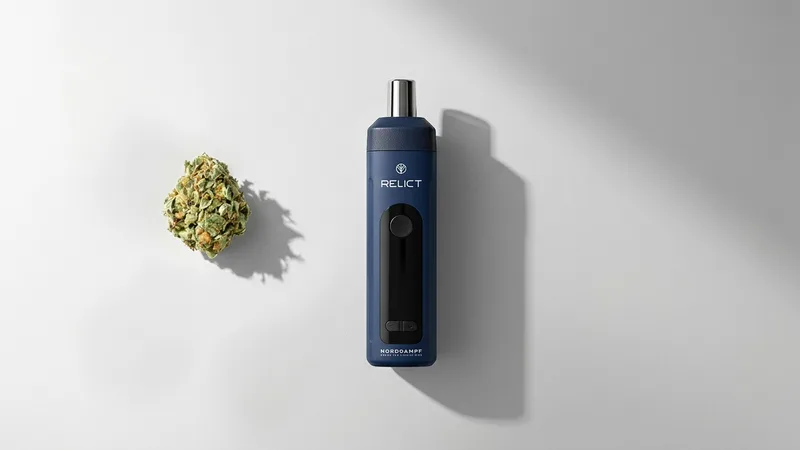
This is why the quality of the vaporizer itself matters. Medical-grade stainless steel, borosilicate glass, and ceramic heating elements are considered the safest materials for vapor path construction. Devices from reputable manufacturers that use medical-grade materials and precise temperature control — such as the Norddampf RELICT, built with a ceramic heating chamber and full stainless steel vapor path — may reduce the risk of exposure to off-gassing contaminants compared to cheaply made alternatives.
Mycotoxins and Contaminants in the Herb
A frequently overlooked risk has nothing to do with the vaporizer itself — it concerns the cannabis being vaporized. Cannabis flower may contain mold spores, pesticide residues, heavy metals, or mycotoxins. While combustion destroys some of these contaminants (albeit creating other toxic byproducts), vaporization temperatures may not be sufficient to neutralize all of them.
Research published in Frontiers in Microbiology has highlighted the presence of Aspergillus species on cannabis flower, which can produce mycotoxins that are harmful when inhaled. This is of particular concern for immunocompromised individuals. Using lab-tested cannabis from regulated sources, where available, may reduce this risk.

Temperature, Toxins, and What the Research Says
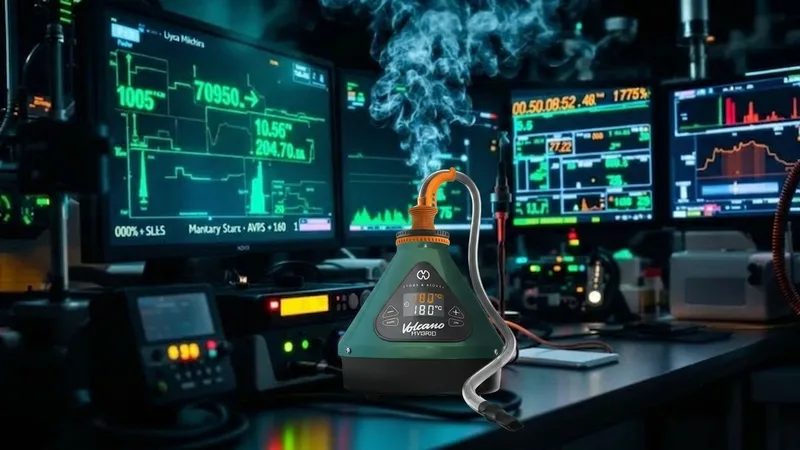
Temperature is arguably the single most important variable in determining the safety profile of dry herb vaping. The relationship between temperature and toxin release has been the subject of several significant studies.

The Temperature-Toxin Relationship
A landmark 2004 study by Gieringer, St. Laurent, and Goodrich, published in the Journal of Cannabis Therapeutics, was among the first to systematically compare the chemical composition of cannabis vapor versus smoke. The researchers found that a vaporizer set to approximately 185°C (365°F) delivered THC while producing no measurable benzene, toluene, or naphthalene — compounds that were readily detected in cannabis smoke.
However, when temperatures were increased, the picture changed. A 2009 study by Bloor et al. in Chemistry Central Journal confirmed that higher vaporization temperatures increased the presence of certain toxic compounds in the vapor, though levels remained substantially below those found in smoke even at the highest vaporizer settings.
Temperature Zones and Their Implications
Understanding temperature zones helps users make informed choices. For a detailed guide to how different temperatures affect the compounds released from cannabis — including specific terpene boiling point tools and cannabinoids — see our comprehensive Terpene Chart. For cannabinoid-specific effects, our CBC guide covers one of the most promising minor cannabinoids.
- 160–180°C (320–356°F) — Low range: Primarily releases lighter terpenes and THC. Minimal risk of toxic byproduct formation. Flavor-focused, lighter effects.
- 180–200°C (356–392°F) — Medium range: Broader spectrum of cannabinoids and terpenes released, including CBD at the higher end. Still relatively low risk profile based on available research.
- 200–220°C (392–428°F) — High range: Heavier cannabinoids and terpenes extracted. Some studies suggest trace VOCs may appear at these temperatures. Denser vapor with more pronounced effects.
- 220–235°C (428–455°F) — Upper limit: Approaches the combustion threshold. Research indicates a notable increase in potentially harmful compounds. Some devices may cause partial combustion at these settings, particularly with uneven heating.
The takeaway from current research is that staying in the low-to-medium temperature range appears to minimize toxic compound exposure while still delivering the desired active compounds. However, individual devices vary in their temperature accuracy, making precise temperature control an important feature to consider.
Notable Studies and Their Findings
Several key studies have shaped our understanding of dry herb vaping and health:
- Hazekamp et al. (2006), Journal of Pharmaceutical Sciences: Found that the Volcano vaporizer delivered 36–61% of available THC into vapor with a significant reduction in toxic byproducts compared to smoking.
- Pomahacova et al. (2009), Inhalation Toxicology: Demonstrated that vaporization significantly reduced carbon monoxide and tar exposure compared to smoking, though did not eliminate all potentially harmful compounds.
- Earleywine & Barnwell (2007), Harm Reduction Journal: Survey data suggested that cannabis users who switched from smoking to vaporizing reported fewer respiratory symptoms.
- Loflin & Earleywine (2015), Annals of the American Thoracic Society: Found that switching from smoking to vaporizing cannabis was associated with self-reported improvements in respiratory function.
It is important to note that most of these studies are relatively small in scale, and many rely on self-reported data. Large-scale, long-term clinical trials specifically examining dry herb vaporizer health outcomes are still lacking.
Dry Herb Vaping vs. Smoking: A Comparative Health Assessment
When comparing the health profiles of dry herb vaping and smoking cannabis, the available evidence consistently points in one direction — though with important caveats.
What the Evidence Suggests
Multiple studies have found that cannabis vapor contains significantly fewer toxic compounds than cannabis smoke. A 2007 study published in Clinical Pharmacology & Therapeutics by Abrams et al. found that vaporization of cannabis delivered comparable levels of THC while significantly reducing carbon monoxide exposure compared to smoking.
Similarly, a systematic review published in PeerJ (2016) concluded that vaporizers "are likely to reduce the risk of pulmonary symptoms" associated with cannabis smoking, though the authors emphasized the need for more research.
Areas Where Risks May Overlap
Despite the apparent advantages of vaporization, some risks may persist regardless of consumption method:
- Cannabinoid effects on the cardiovascular system: THC may temporarily increase heart rate and affect blood pressure regardless of how it is consumed. These effects are related to the compound itself, not the delivery method.
- Cognitive effects: Regular cannabis use, regardless of delivery method, has been associated with potential impacts on memory, attention, and executive function — particularly in adolescents and young adults.
- Dependence potential: Cannabis use disorder can develop regardless of whether cannabis is smoked or vaporized.
- Pregnancy and breastfeeding: Major health organizations advise against cannabis use during pregnancy and breastfeeding, regardless of consumption method.
The EVALI Distinction
It is essential to distinguish dry herb vaping from the vaping of cannabis oil concentrates. The EVALI (E-cigarette or Vaping Product Use-Associated Lung Injury) outbreak of 2019 in the United States was primarily linked to vitamin E acetate, an additive found in illicit THC oil cartridges — not dry herb vaporizers. The CDC identified vitamin E acetate as a primary cause of EVALI cases.
Dry herb vaporizers heat whole plant material and do not involve liquid additives, making them fundamentally different from the oil cartridges implicated in EVALI. However, this distinction is often lost in media coverage, leading to confusion among consumers.
Lung Health Considerations
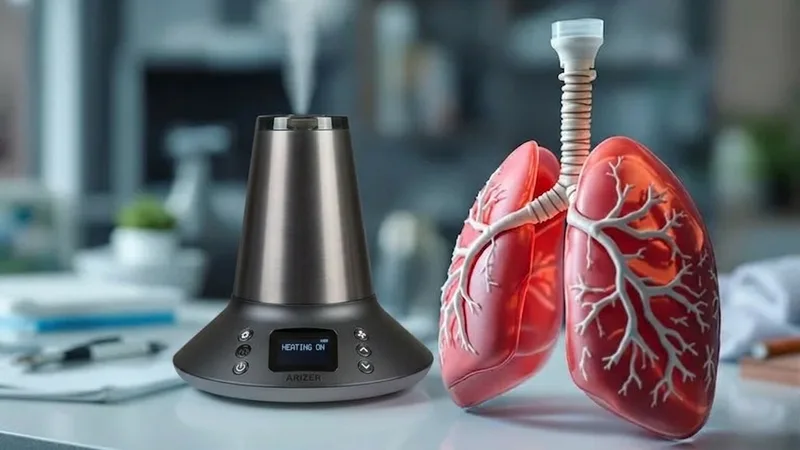
The lungs are the primary organ of concern when evaluating any inhalation-based consumption method. While dry herb vaping appears to be gentler on the lungs than smoking, it is not entirely without respiratory considerations.

Short-Term Respiratory Effects
Users commonly report the following short-term effects, particularly during the initial transition from smoking to vaping or when using higher temperature settings:
- Dry mouth and throat (xerostomia)
- Mild coughing, especially at higher temperatures
- Throat irritation or a slight "tickle"
- Occasional shortness of breath during heavy sessions
A 2010 study in the International Journal of Drug Policy found that cannabis users who switched to vaporizers reported significant improvements in respiratory symptoms within the first month, including reduced phlegm production, less chest tightness, and fewer episodes of wheezing.
Long-Term Respiratory Outlook
The long-term effects of daily dry herb vaping on lung health are not yet well understood. While the reduction in combustion toxins is well documented, the lungs are designed to inhale clean air — not heated plant vapor. Some pulmonologists have expressed concern that even the reduced particulate matter and heat exposure from vaporizers could have cumulative effects over decades of use.
A 2020 review in Current Opinion in Pulmonary Medicine noted that while vaporization appears to be a less harmful alternative to smoking cannabis, "the absence of evidence of harm is not evidence of absence of harm." The authors called for longitudinal studies tracking vaporizer users over periods of 10 years or more.
Pre-Existing Respiratory Conditions
Individuals with asthma, COPD, bronchitis, or other pre-existing respiratory conditions should approach dry herb vaping with particular caution. While some patients report that vaporization is better tolerated than smoking, any form of inhalation may potentially aggravate underlying respiratory conditions. Consultation with a healthcare provider is strongly recommended for individuals in this category.
Harm Reduction Strategies for Dry Herb Vaping
For individuals who choose to vape dry herbs, the following evidence-informed strategies may help minimize potential health risks:
1. Use Lower Temperatures
Based on current research, vaping at temperatures between 170–195°C (338–383°F) appears to minimize toxic compound exposure while still effectively extracting cannabinoids and terpenes. Starting low and gradually increasing temperature during a session allows you to experience different compound profiles while limiting time spent at higher, potentially riskier temperatures.
2. Invest in a Quality Device
Choose a vaporizer from a reputable manufacturer that uses safe materials (medical-grade stainless steel, ceramic, borosilicate glass) and offers precise temperature control. Cheap, unregulated devices may use materials that release harmful compounds when heated. Look for devices that have been independently tested and feature isolated vapor paths that prevent contact between electronics and the inhaled vapor.
3. Maintain Your Device Regularly
A dirty vaporizer can harbor bacteria, mold, and residue buildup that may produce harmful compounds when reheated. Clean your device regularly according to the manufacturer's instructions. Replace screens, O-rings, and other consumable parts as recommended. A well-maintained device performs more consistently and reduces the risk of unintended contaminant exposure.
4. Source Quality Cannabis
Where possible, use lab-tested cannabis from regulated sources. This reduces the risk of inhaling pesticides, heavy metals, mold spores, or other contaminants that may be present in unregulated flower. If lab testing is not available in your jurisdiction, inspect your cannabis visually for signs of mold (white or gray fuzz, unusual spots) and avoid any material that smells musty or off.
5. Practice Moderation
Frequency and duration of vaping sessions may influence health outcomes. Consider taking regular tolerance breaks, using the minimum amount needed for desired effects, and avoiding chain-vaping sessions that expose the lungs to prolonged heat and particulate matter.
6. Stay Hydrated
Vaping can contribute to dehydration of the mouth and throat. Drinking water before, during, and after sessions helps maintain mucosal health and may reduce throat irritation.
7. Use Cooling Accessories
Water pipe adapters, extended mouthpieces, and cooling stems can reduce the temperature of the vapor before it reaches your lungs. Lower vapor temperatures may reduce irritation to the respiratory tract.
8. Avoid Vaping Near the Combustion Threshold
Staying below 220°C (428°F) helps ensure you remain in the vaporization zone and do not cross into partial combustion, which would negate many of the potential benefits of vaporizing over smoking.
Who Should Avoid Dry Herb Vaping?

While dry herb vaping may present a lower-risk alternative to smoking for some individuals, certain groups should consider avoiding it entirely:

- Individuals under 25: The brain continues developing until approximately age 25. Cannabis use during this period, regardless of delivery method, may affect cognitive development.
- Pregnant or breastfeeding individuals: Current medical guidance advises against all cannabis use during pregnancy and breastfeeding.
- People with serious respiratory conditions: Severe asthma, COPD, pulmonary fibrosis, and other serious lung conditions may be aggravated by any form of inhalation.
- Those with a personal or family history of psychosis: Cannabis use has been associated with increased risk of psychotic episodes in susceptible individuals.
- Individuals taking certain medications: Cannabis may interact with blood thinners, sedatives, and other medications. Consult a healthcare provider.
When to Consult a Doctor
You should seek medical advice if you experience any of the following while using a dry herb vaporizer:
- Persistent cough lasting more than two weeks
- Chest pain or tightness that does not resolve after stopping use
- Shortness of breath during normal activities
- Coughing up blood or unusual mucus
- Wheezing or difficulty breathing, especially if worsening over time
- Fever, chills, or other signs of respiratory infection
- Heart palpitations or irregular heartbeat
- Symptoms consistent with Cannabinoid Hyperemesis Syndrome (CHS): cyclical nausea, vomiting, and abdominal pain — learn about CHS recovery
Do not hesitate to tell your healthcare provider about your cannabis use. Accurate information helps them provide the best possible care. Many jurisdictions have patient confidentiality protections that prevent this information from being shared.
The Bottom Line: What We Know and What We Do Not
The current body of research suggests that dry herb vaping exposes users to significantly fewer toxic compounds than smoking cannabis. Multiple studies have demonstrated reduced levels of tar, carbon monoxide, benzene, and other carcinogenic substances in vapor compared to smoke. Users who switch from smoking to vaporizing frequently report improvements in respiratory symptoms.

However, "less harmful" should not be confused with "harmless." Key uncertainties remain:
- No large-scale, long-term studies (10+ years) have tracked the health outcomes of daily dry herb vaporizer users
- The effects of chronic low-level exposure to fine particulate matter from vaporization are not fully understood
- Device quality varies enormously, and the health impact of off-gassing from low-quality materials has not been comprehensively studied
- Individual factors — genetics, pre-existing conditions, frequency of use — all influence personal risk profiles
The most honest assessment the scientific community can currently offer is this: dry herb vaping appears to be a meaningful harm reduction strategy for individuals who would otherwise smoke cannabis, but it is not risk-free. Anyone who does not currently use cannabis has no health-related reason to start vaping dry herbs.
As research continues to evolve, our understanding of the long-term implications will improve. Until then, informed decision-making — guided by the best available evidence and open communication with healthcare providers — remains the wisest approach.
Disclaimer

This article is for informational and educational purposes only. It does not constitute medical advice, diagnosis, or treatment. The information presented here reflects the current state of published research and may change as new studies emerge. Always consult a qualified healthcare professional before making decisions about your health or altering your consumption habits. Cannabis laws vary by jurisdiction — ensure you are aware of and comply with the regulations in your area. The Green Treasure does not encourage the use of cannabis where it is prohibited by law.
Related Articles
Frequently Asked Questions

Written by
The Green Treasure Editorial Team
Independent cannabis journalism backed by science. We cover terpenes, vaporizers, edibles, growing and health.
Stay in the green loop
Expert guides, terpene science, growing tips, and gear reviews — delivered to your inbox. No spam, ever.
No spam. Unsubscribe anytime.