What Is Ocimene?
\\n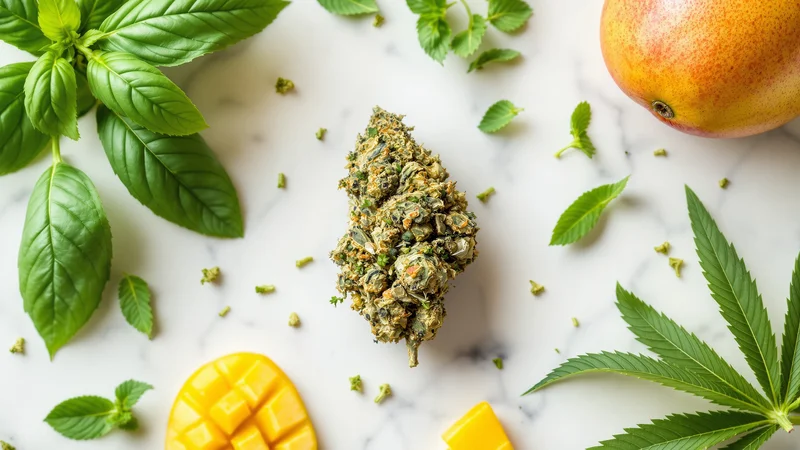 \\n
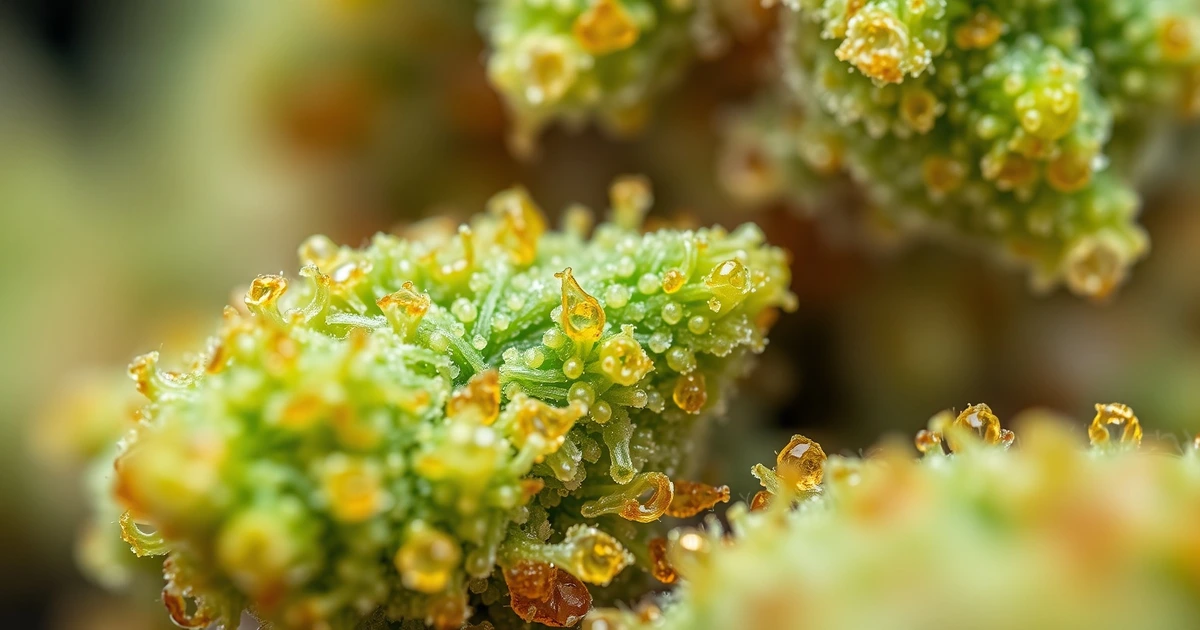
\\n Ocimene (pronounced oh-SIH-meen) is a monohigh terpene strains found in a wide variety of plants, including cannabis, mint, parsley, pepper, basil, mangoes, orchids, and kumquats. Its name derives from the Greek word Ocimum (basil), reflecting its strong presence in that herb.
\\nWhile ocimene rarely dominates a cannabis strain's terpene profile, it plays a surprisingly important role as a supporting terpene. Found in trace to moderate amounts in many popular strains, ocimene contributes a distinctive sweet, herbaceous, and woody aroma with subtle citrus undertones — often described as "green" and "fresh."
\\nIn nature, ocimene serves as a plant defense mechanism. Many plants produce ocimene specifically to repel aphids and other pests while simultaneously attracting predatory insects that feed on those pests. This dual function makes it one of the most ecologically significant terpenes in the plant kingdom.
\\n \\nOcimene Aroma and Flavor Profile
\\n \\n
\\n Ocimene has a complex aromatic profile that sets it apart from more straightforward terpenes like limonene (citrus) or pinene effects (pine):

- \\n
- Primary notes: Sweet, herbaceous, woody \\n
- Secondary notes: Tropical, citrusy, slightly floral \\n
- Undertones: Green, vegetal, slightly earthy \\n
In cannabis, ocimene contributes to the "fresh" and "uplifting" character of certain strains. When you smell a strain and get a sweet, herbal, slightly tropical note that you can't quite place — that's often ocimene at work.
\\nThe terpene exists in three isomeric forms: alpha-ocimene, beta-ocimene (cis and trans). Beta-trans-ocimene is the most common form found in cannabis. All forms share similar aromatic properties but may differ slightly in their biological effects.
\\n \\n
Ocimene Effects on the Body
\\n \\n
\\n Research into ocimene's therapeutic properties is still in its early stages compared to more abundant terpenes like myrcene or limonene, but the existing studies reveal a remarkably versatile compound with several significant biological activities.
\\n \\nAnti-Inflammatory Properties
\\nA study published in Food and Chemical Toxicology (2014) demonstrated that ocimene exhibits significant anti-inflammatory activity. The researchers found that ocimene suppressed the production of several key inflammatory cytokines, including TNF-alpha and IL-6 — the same inflammatory markers targeted by pharmaceutical anti-inflammatory drugs.
\\nWhat makes ocimene's anti-inflammatory profile particularly interesting is that it appears to work through a different mechanism than beta-beta-caryophyllene (which directly activates CB2 receptors). This means the two terpenes could potentially have complementary anti-inflammatory effects when present together in a cannabis strain — a perfect example of the entourage effect in action.
\\n \\nAntiviral Activity
\\nOne of ocimene's most distinctive properties is its demonstrated antiviral activity. Research published in Chemistry & Biodiversity found that ocimene showed significant activity against several viral strains, including SARS-CoV (the virus responsible for the 2003 SARS outbreak).
\\nA 2008 study on essential oils rich in ocimene demonstrated antiviral properties against herpes simplex virus type 1 (HSV-1) and type 2 (HSV-2). While these studies used cannabis extracts guideed essential oils rather than cannabis-derived ocimene, they establish the compound's antiviral potential.
\\n \\nAntifungal Properties
\\nOcimene has shown promising antifungal activity in multiple studies. Research in the Journal of Natural Products found that ocimene-rich essential oils effectively inhibited the growth of several pathogenic fungal species, including Candida albicans and various dermatophytes responsible for skin infections.
\\nThis antifungal property may be one reason why plants produce ocimene as a defense mechanism — it helps protect against fungal infections in the natural environment.
\\n \\nDecongestant and Expectorant Effects
\\nOcimene has traditionally been used in herbal medicine as a decongestant. Its ability to help clear airways and reduce mucus production makes it relevant for respiratory wellness. Cannabis strains with notable ocimene content are sometimes reported by users as feeling "clearer" and less likely to cause the heavy, congested feeling associated with some indica vs sativa vs hybrid-dominant varieties.
\\nThis property is particularly relevant for vaporizer users, who may benefit from ocimene's decongestant effects when vaporizing at temperatures that release this terpene.
\\n \\nAntioxidant Activity
\\nStudies have shown that ocimene possesses antioxidant properties, helping to neutralize free radicals that can cause cellular damage. A 2015 study in Industrial Crops and Products found that essential oils containing high concentrations of ocimene demonstrated significant free radical scavenging activity.
\\nWhile antioxidant effects from terpene exposure during cannabis consumption would be modest compared to dietary antioxidants, they contribute to the overall therapeutic profile of ocimene-containing strains.
\\n \\nOcimene and the Entourage Effect
\\n \\n
\\n Despite being a "minor" terpene in most cannabis strains, ocimene plays a meaningful role in the entourage effect — the synergistic interaction between cannabinoids, terpenes, and other plant compounds that shapes the overall cannabis experience.

Ocimene's contribution to the entourage effect includes:
\\n- \\n
- Complementary anti-inflammatory pathways: Working alongside caryophyllene and myrcene through different mechanisms, potentially creating broader anti-inflammatory coverage \\n
- Respiratory support: Its decongestant properties may make the act of inhalation (smoking or vaping) more comfortable, potentially improving the absorption of other compounds \\n
- Mood modulation: Strains containing ocimene are frequently described as uplifting and energetic, suggesting ocimene contributes to mood-enhancing properties when combined with specific TAC in terpene-rich strainss \\n
- Antimicrobial synergy: Its antiviral and antifungal properties add a protective dimension to the therapeutic profile of full-spectrum cannabis products \\n
The fact that ocimene works through unique mechanisms compared to the major terpenes makes it a valuable contributor to the complex chemistry of whole-plant cannabis.
\\n \\nCannabis Strains High in Ocimene
\\n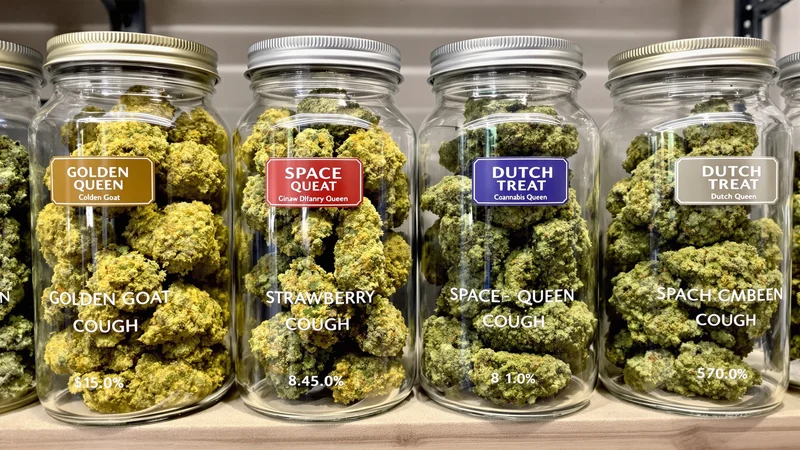 \\n
\\n While ocimene rarely appears as the dominant terpene, several popular strains consistently show elevated ocimene levels:
\\n \\nSativa-Dominant / Uplifting Strains
\\n- \\n
- Golden Goat — A sativa-dominant hybrid known for its sweet, tropical aroma. Ocimene contributes to its characteristic fruity-herbal scent and energetic effects. Often tests with ocimene as the second or third most abundant terpene. \\n
- Strawberry Cough — This legendary sativa features a sweet berry aroma with herbal undertones from its ocimene content. Known for producing a clear-headed, creative high. \\n
- Clementine — A citrus-forward sativa with notable ocimene levels that add herbal complexity to its orange-dominant aroma. Excellent for daytime use. \\n
- Dutch Treat — A hybrid with sweet, piney aroma enriched by ocimene's herbaceous notes. Produces balanced, euphoric effects. \\n
Hybrid Strains
\\n- \\n
- Amnesia — This classic strain features a complex terpene profile where ocimene adds earthy-sweet depth to the dominant citrus and haze notes. \\n
- Space Queen — Known for its fruity, tropical aroma with herbal undertones. Ocimene contributes to its distinctively sweet, complex scent profile. \\n
- Chernobyl — A hybrid with lime-sherbet aroma where ocimene adds herbal sweetness. Produces a happy, uplifting experience. \\n
- J1 (Jack Herer × Skunk #1) — Combines Jack Herer's piney-spicy profile with sweet, herbal ocimene notes. \\n
Why Ocimene Strains Tend to Be Uplifting
\\nYou may notice that strains high in ocimene tend to lean sativa and produce uplifting, energetic effects. This isn't coincidental. Ocimene often appears alongside limonene and terpinolene — two other terpenes associated with energetic, mood-elevating properties. This terpene trio creates a synergistic profile that promotes alertness and creativity rather than sedation.
\\nCompare this to strains dominated by myrcene (sedating) and linalool terpene guide (calming), which tend to produce more relaxing, sleep-inducing effects. The terpene profile — not the indica/sativa classification — is the real predictor of how a strain will make you feel.
\\n \\nOcimene Boiling Point and Vaporizing
\\n \\n
\\n Ocimene has one of the lowest boiling points of any cannabis terpene at approximately 100°C (212°F). This has important implications for consumption:
\\n| Temperature | Ocimene Status | What You Experience |
|---|---|---|
| 100-150°C (212-302°F) | Actively vaporizing | Maximum ocimene flavor and effects. Sweet, herbal aroma. |
| 150-180°C (302-356°F) | Mostly depleted | Lighter terpenes (pinene, limonene) take over. Still some ocimene in early draws. |
| 180°C+ (356°F+) | Fully evaporated | Heavier terpenes dominate. Ocimene contributes only to initial aroma. |
Practical tip: If you want to maximize ocimene intake, start your vaporizer session at a very low temperature (100-130°C). The first few draws will be rich in ocimene and other light terpenes, producing a sweet, flavorful, and mildly uplifting experience. As you increase temperature, heavier terpenes and cannabinoids will take over.
\\nThis "temperature stepping" technique is one of the key advantages of vaporizing over smoking — it lets you selectively target different compounds throughout a single session. Check our Best Vaporizer 2026 guide for devices with precise temperature control.
\\n \\nOcimene Beyond Cannabis
\\n \\n
\\n Ocimene is found throughout the plant kingdom, serving various ecological functions:

- \\n
- Basil — One of the richest natural sources of ocimene. The sweet, herbal aroma of fresh basil is largely attributable to this terpene. \\n
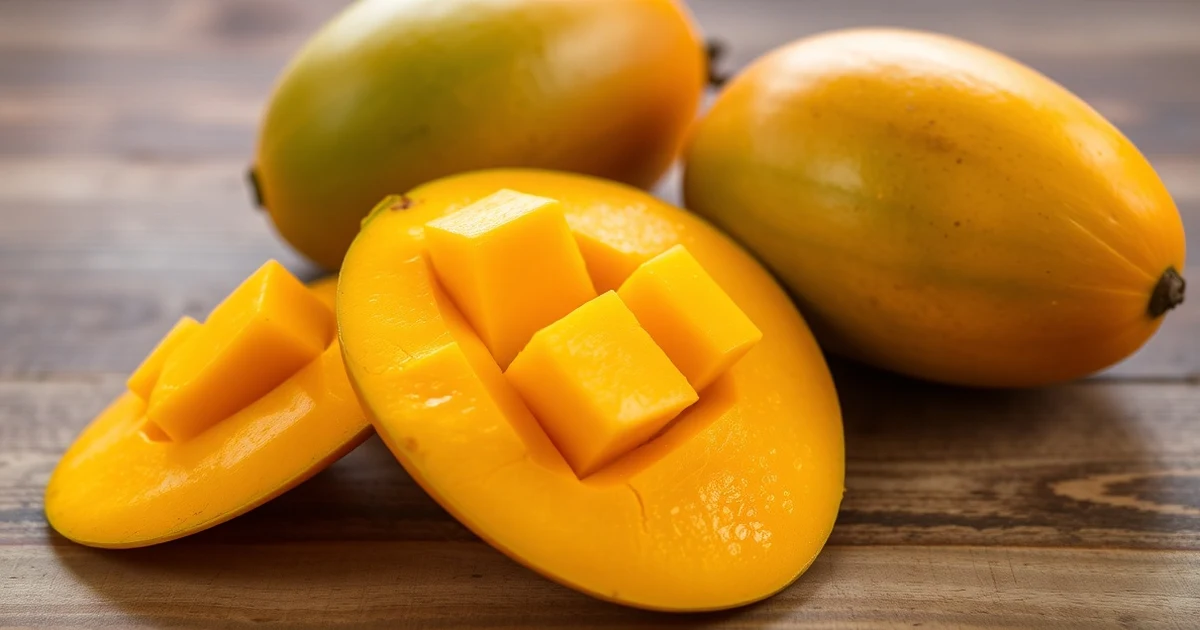
- Mangoes — Ocimene contributes to the complex tropical aroma of ripe mangoes, working alongside myrcene and limonene. \\n
- Mint — Ocimene adds herbal depth to mint's dominant menthol aroma. \\n
- Orchids — Many orchid species produce ocimene as a pollinator attractant, contributing to their sweet, exotic fragrance. \\n
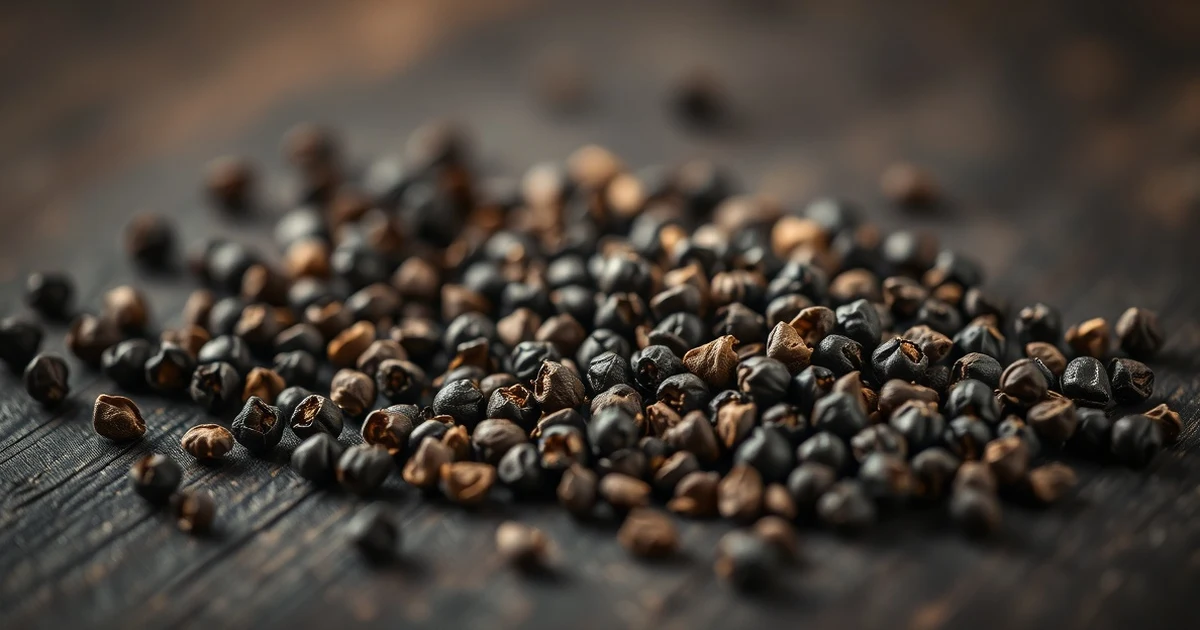
- Pepper — Black pepper contains ocimene alongside caryophyllene, contributing to its complex spicy-herbal aroma. \\n
- Parsley — The fresh, green aroma of parsley is partly due to its ocimene content. \\n
- Kumquats — These small citrus fruits contain notable ocimene levels, adding herbal sweetness to their tart citrus flavor. \\n
- Hops — Cannabis's closest botanical relative also contains ocimene, contributing to certain beer varieties' herbal character. \\n
Ecological Role
\\nIn nature, ocimene serves a fascinating dual purpose. When plants are attacked by herbivorous insects (particularly aphids), they increase ocimene production. This serves two functions simultaneously:
\\n- \\n
- Direct repellent: Ocimene is toxic or repellent to many pest insects \\n
- Indirect defense: The increased ocimene emission attracts predatory insects (like parasitic wasps) that feed on the pests attacking the plant \\n
This "cry for help" mechanism is a remarkable example of chemical ecology — and cannabis plants retain this same defense system, which is one reason why cannabis naturally produces ocimene.
\\n \\nCurrent Research and Future Directions
\\n \\n
\\n While ocimene research is less extensive than that of major terpenes like myrcene or limonene, several exciting research directions are emerging:
\\n- \\n
- Anti-diabetic potential: A 2013 study found that ocimene-containing essential oils showed inhibitory activity against key enzymes linked to type 2 diabetes (alpha-amylase and alpha-glucosidase), suggesting potential applications in blood sugar management. \\n
- Wound healing: Preliminary research suggests ocimene may promote wound healing through its combined anti-inflammatory, antimicrobial, and antioxidant properties. \\n
- Synergistic studies: Researchers are increasingly interested in how ocimene interacts with cannabinoids, particularly whether its anti-inflammatory pathway complements the CB2-mediated anti-inflammatory effects of caryophyllene and CBD. \\n
- Respiratory benefits: Given its traditional use as a decongestant, researchers are investigating ocimene's potential for respiratory conditions, particularly in the context of vaporized cannabis delivery. \\n
As cannabis research expands and more clinical trials become possible, we're likely to see increased attention to "minor" terpenes like ocimene that may have outsized therapeutic contributions.
\\n \\nOcimene Compared to Other Terpenes
\\n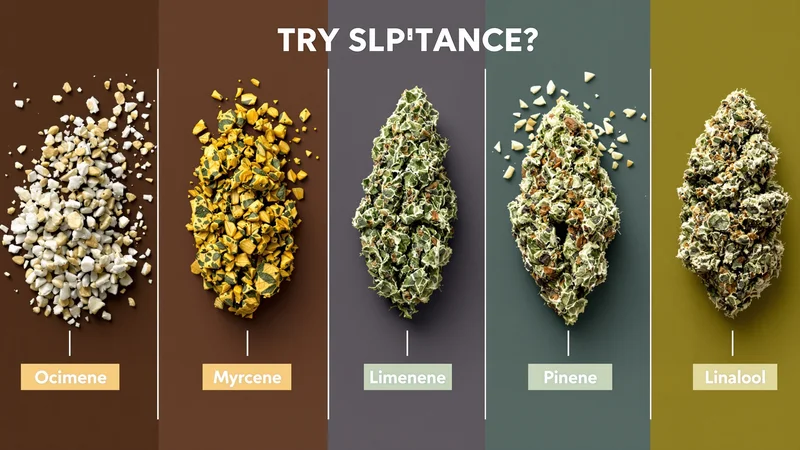 \\n
\\n | Property | Ocimene | Myrcene | Limonene | Linalool |
|---|---|---|---|---|
| Aroma | Sweet, herbal, woody | Earthy, musky | Citrus, fresh | Floral, lavender |
| Boiling Point | 100°C (212°F) | 168°C (334°F) | 176°C (349°F) | 198°C (388°F) |
| Primary Effect | Anti-inflammatory, antiviral | Sedating, relaxing | Mood elevation | Calming, anti-cannabis anxiety research |
| Energy Level | Uplifting | Sedating | Energizing | Calming |
| Abundance in Cannabis | Low-moderate | High (most common) | High | Moderate |
| Unique Property | Antiviral, decongestant | Enhances THC absorption | Improves terpene absorption | Modulates glutamate |

How to Identify Ocimene-Rich Strains
\\n \\n
\\n Since ocimene doesn't have a single dominant aroma, identifying it can be tricky. Here are some tips:
\\n- \\n
- Check lab reports: The most reliable method. Look for "ocimene" or "beta-ocimene" in the terpene analysis section of Certificates of Analysis (COAs). \\n
- Aroma clues: If a strain smells sweet and herbal with tropical undertones — not purely citrusy, piney, or earthy — it likely contains notable ocimene. \\n
- Strain genetics: Strains with Golden Goat, Strawberry Cough, or Dutch Treat in their lineage often carry higher ocimene content. \\n
- Effect profile: Strains that produce uplifting, clear-headed effects with a touch of body relaxation often have ocimene in their profile. \\n
Key Takeaways
\\n \\n
\\n Ocimene may be a "minor" terpene by concentration, but its therapeutic properties — particularly its anti-inflammatory, antiviral, and decongestant effects — make it a valuable player in the cannabis entourage effect. Its sweet, herbaceous aroma adds complexity to many beloved strains, and its low boiling point makes it one of the first terpenes you experience when vaporizing.

For those seeking uplifting, energetic cannabis experiences with potential respiratory benefits, ocimene-rich strains are worth exploring. Look for strains like Golden Goat, Strawberry Cough, or Clementine, and consider starting your vaporizer sessions at low temperatures to maximize ocimene intake.
\\nExplore our Complete Terpene Chart to see how ocimene compares to all other cannabis terpenes, or read about the science of terpene effects and the entourage effect.
\nRelated Articles
Frequently Asked Questions

Written by
The Green Treasure Editorial Team
Independent cannabis journalism backed by science. We cover terpenes, vaporizers, edibles, growing and health.
Stay in the green loop
Expert guides, terpene science, growing tips, and gear reviews — delivered to your inbox. No spam, ever.
No spam. Unsubscribe anytime.