How to Spot and Prevent Weed Mold: Essential Tips for Cannabis Users
Worried about mold on your cannabis? Weed mold can threaten your health and ruin your stash. In this article, you’ll learn how to spot, prevent, and deal with moldy weed to ensure your cannabis stays safe and high-quality.
Key Takeaways
Mold on cannabis poses significant health risks and impacts product quality; preventive measures include controlling moisture and ensuring proper storage.
Identifying mold through visual, smell, and tactile inspection is essential to avoid consumption of contaminated cannabis that may lead to health issues.
Proper drying techniques, optimal storage conditions, and maintaining good air circulation are crucial strategies for preventing mold growth on cannabis.
Understanding Mold on Cannabis
Mold is a type of fungus that can find its way onto cannabis, posing a range of health risks to users. Encountering moldy cannabis can result in an unpleasant taste, a bad smell, and, more importantly, potential health hazards. The presence of moisture and improper storage techniques significantly increase the chances of mold forming on cannabis. Cannabis is particularly vulnerable due to various contaminants like pests and pathogens, which can exacerbate the problem.

Beyond maintaining quality, understanding mold on cannabis ensures user safety. Moldy weed can lead to respiratory issues, allergic reactions, and long-term health implications if consumed. Identifying and preventing mold can save users from harm and preserve cannabis quality.
What is Mold?
Mold thrives in moist environments, making cannabis susceptible during curing and storage. Factors that contribute to mold development include:
Moisture
Improper curing
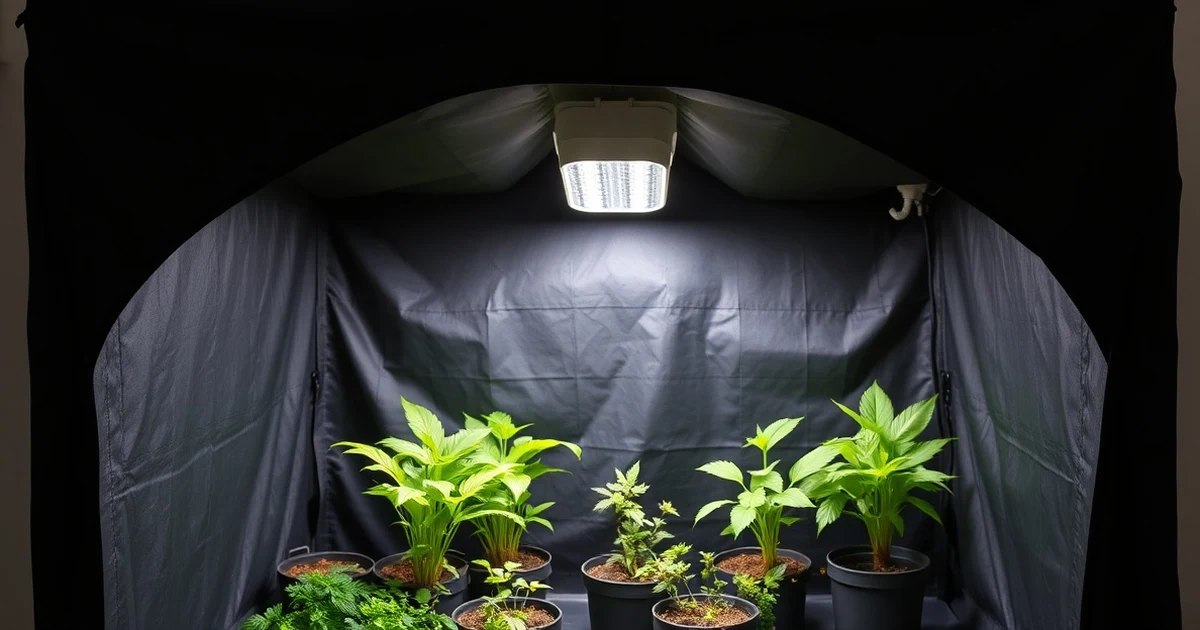
High grow tent environment Even premium cannabis can develop mold if mishandled post-harvest. Without proper humidity control, mold easily spreads and contaminates cannabis.
The implications of mold growth on cannabis are significant. Not only does it degrade the quality of the product, but it also poses serious health risks to users who consume it. Early detection and prevention strategies are key to maintaining a safe cannabis experience.
How Does Mold Develop on Cannabis?
Mold on cannabis develops under specific, often preventable conditions:
Mold consists of microorganisms that thrive in damp environments with poor air circulation.
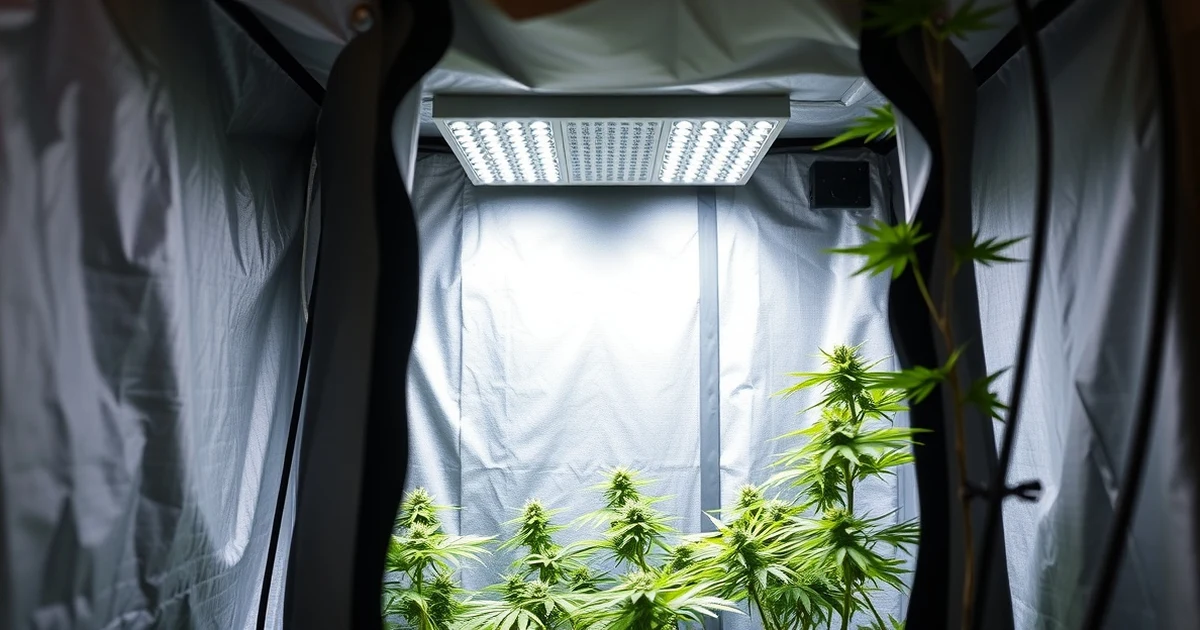
Excess moisture creates an environment for mold spores to multiply and infest cannabis plants — a quality grow tent with good ventilation greatly reduces this risk.
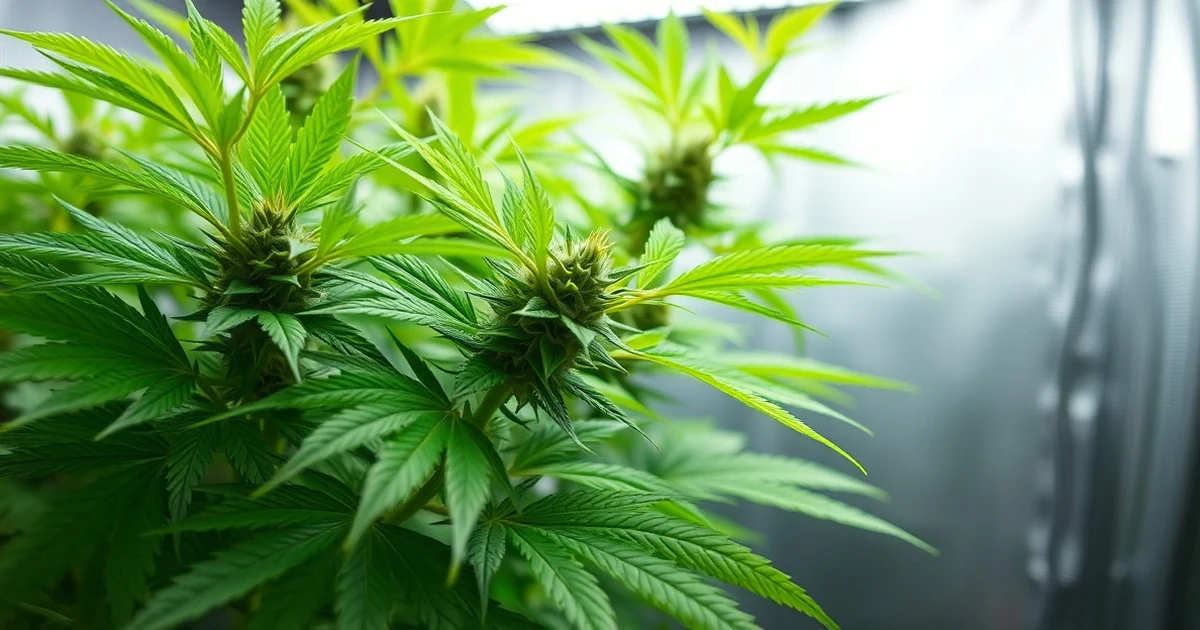
Dense buds can trap moisture and promote mold growth.
This is particularly problematic for dense buds, which can trap moisture and promote mold growth.
High humidity is another critical factor that facilitates mold growth on cannabis. Key points include:
When the air is humid, it becomes easier for mold spores to settle and spread.
Without proper ventilation, this humid air can become stagnant, exacerbating the mold problem.
Optimal air circulation over buds and leaves helps prevent mold establishment.
Poor air circulation allows humid air to linger, contributing to mold issues. Oscillating fans in grow rooms ensure fresh air and lower humidity, reducing mold risk. Understanding and addressing these conditions can keep cannabis mold-free and safe.

Identifying Moldy Weed
Recognizing moldy cannabis through sensory inspection is crucial for users to ensure their safety and product quality. Sight, smell, and touch are key to sensory inspection for mold detection. These methods are essential for identifying moldy weed before it poses a health risk.
Primary signs of moldy cannabis include visible fuzz, mustiness, and moisture. These indicators can help users spot moldy weed early, allowing them to take necessary actions to prevent further contamination.
Detecting mold through sensory cues can prevent users from consuming harmful cannabis.
Visual Signs of Mold
Common visual indicators of mold on cannabis include fuzzy patches, discoloration, and unusual textures. Inspecting for white or gray fuzzy patches can help users spot mold early. A white fuzzy appearance indicates fungal growth and should alert users.
Additionally, unusual textures such as powdery or mushy consistency can signal mold contamination. A magnifying glass can help to detect mold these minute details on the buds.
Regular visual inspection is essential to maintaining mold-free cannabis.
Smell and Taste Indicators
Smell plays a crucial role in identifying potential mold contamination in cannabis. Moldy cannabis emits a musty odor, indicating spoilage before consumption. A musty smell clearly indicates the cannabis may be unsafe to use.
Consuming cannabis with a musty odor can be hazardous as it signals the presence of mold and smoke. Users should avoid consuming cannabis if they detect any off-putting aromas.
Regular sensory inspection helps maintain the quality and safety of cannabis to rid any potential issues.
Health Risks of Smoking Moldy Weed
Smoking moldy cannabis can lead to various health risks, particularly for those with weakened immune systems. Inhaling mold spores can result in serious respiratory issues, including coughing, difficulty breathing, and lung infections, posing significant risks to vulnerable individuals. The health implications of smoking moldy weed are severe, making it crucial to prevent mold contamination.

Long-term exposure to moldy cannabis increases the risk of lung infections and weakens the immune system. Mold can produce mycotoxins, which are toxic compounds that can have serious health effects when inhaled. These risks underscore the importance of keeping cannabis mold-free.
Respiratory Issues
Inhaling mold spores can cause significant respiratory problems, especially for those with pre-existing conditions. Effects of mold exposure include:
Heightened respiratory distress in individuals with chronic lung conditions, particularly from moldy cannabis
Allergic reactions in some individuals
Symptoms such as sneezing, a runny or stuffy nose, itchy and watery eyes, and skin rashes
These respiratory issues can be severe, so avoiding moldy weed is crucial. Users should be vigilant in inspecting their cannabis to ensure it is free from mold and safe for consumption. This helps prevent health complications and ensures a safer cannabis experience.
Allergic Reactions
Allergic reactions to moldy weed can cause significant discomfort and health issues. Symptoms include sneezing, watery eyes, and sinus pain. Moldy cannabis exposure can cause sinus and lung inflammation in those with mold allergies.
Long-term Health Implications
Prolonged mold exposure in cannabis poses significant health concerns for users. Prolonged exposure can increase the risk of developing chronic lung diseases, making it crucial to prevent mold contamination in cannabis.
Types of Mold Found on Cannabis Plants
Different types of mold affect cannabis plants, each with unique characteristics and impacts. Common molds include:
Powdery mildew
Botrytis (bud rot)
Cladosporium
Aspergillus
Mold can ruin an entire batch of crops, so prompt identification and addressing of mold issues is essential.
Knowing what each type of mold looks like helps spot trouble before it spreads too far. Visual indicators include white mold, grey mold, or black fuzzy spots and brown spots. Mold can appear in black, white, orange, green, and purple.
Mold can develop on different parts of cannabis plants, affecting crop health and yield.
Powdery Mildew
Powdery mildew appears as small white powdery mildew spots on leaves. It thrives in warm, dry environments and can cause stems to wilt and rot. Powdery mildew affects plants by:
hindering photosynthesis
weakening plants
reducing growth
impacting yield quality.
Treat powdery mildew by:
Trimming away affected areas and disposing of them away from the grow area.
Improving air circulation and reducing humidity to prevent the spread of powdery mildew.
Using organic fungicides to help manage and treat infected plants.
Botrytis (Bud Rot)
Botrytis, or bud rot, primarily affects dense cannabis flowers. Bud rot thrives in high humidity, leading to discolored, mushy buds and spreading rot to nearby areas.
Prevent bud rot by maintaining low humidity, using proper drying techniques, and ensuring good air circulation in growing and storage spaces. These preventive measures help protect cannabis crops from bud rot — see our guide on how to grow weed for full prevention tips.
Other Common Molds
Cladosporium mold thrives in cool, damp conditions, often due to rain and contaminated soil. Visual signs include small, dark brown or black spots on leaves and stems, reducing light absorption and weakening the plant over time. Treat Cladosporium by pruning infected leaves, applying organic fungicides, and keeping plants dry.
Aspergillus mold develops in overly moist conditions and can be treated by:
Removing infected material
Sterilizing tools
Reducing humidity
Improving airflow
Promptly addressing these molds is crucial to maintaining healthy cannabis and preventing contamination.
Preventing Mold Growth on Cannabis
Preventing mold on cannabis involves proper drying techniques, optimal storage conditions, and good air circulation. Improper drying techniques can foster mold growth on marijuana. Maintain low humidity, ensure air circulation, and prune regularly to prevent mold growth.

Airtight containers and cooler temperatures help prevent mold growth during cannabis storage. Keeping cannabis away from direct sunlight prevents UV rays from degrading quality and contributing to mold.
Airtight containers with humidity packs help maintain ideal moisture levels to prevent mold.
Proper Drying Techniques
Proper drying techniques reduce moisture levels and prevent mold development. High humidity conditions can lead to excessive moisture, resulting in mold developing even on high-quality cannabis strains.
For effective drying, hang cannabis plants upside down in a well-ventilated area. Outdoor plants growers can minimize bud rot by covering plants during rain and shaking off excess moisture.
Optimal Storage Conditions
A cool, dark place helps prevent mold growth in stored cannabis. Here are some important storage tips:
Avoid damp environments and direct sunlight.
Keep humidity levels below 60% to reduce mold and bud rot risk.
Maintain an ideal relative humidity between 59% and 63% to preserve cannabis quality.
Use humidity packs in storage containers to maintain optimal moisture levels.
Airtight jars and humidity control are essential to preventing mold during cannabis storage. Airtight containers create a barrier against oxygen and moisture for cannabis storage. Use humidity packs to maintain optimal humidity levels inside cannabis storage containers.
Maintaining Air Circulation
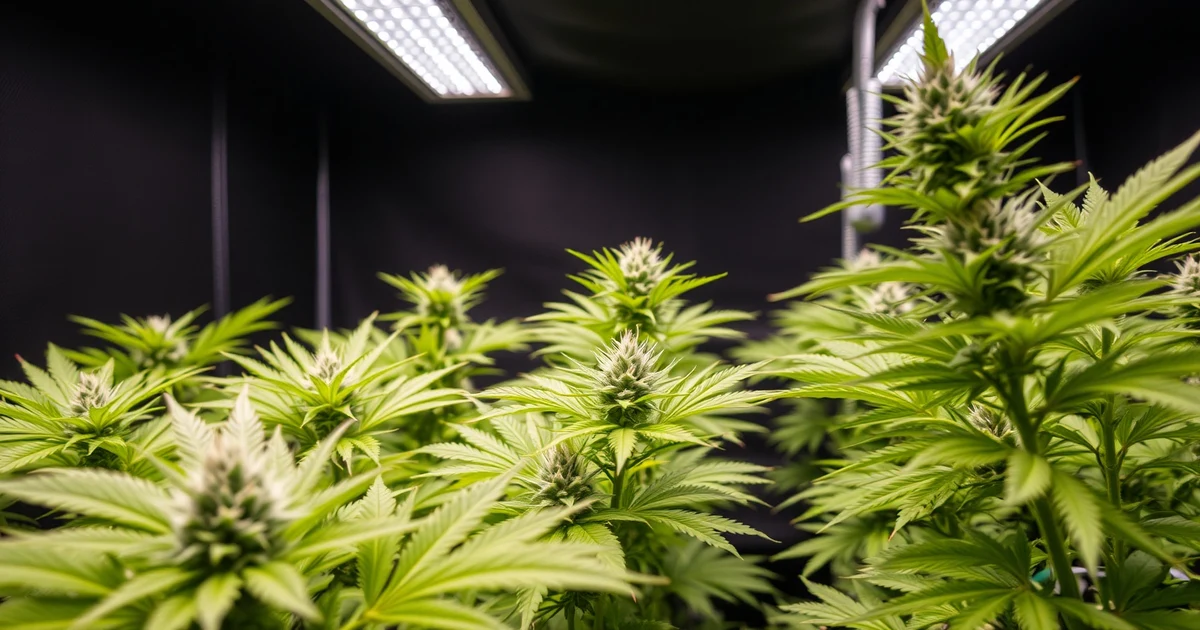
Good air circulation in grow spaces prevents mold growth on cannabis. Improving airflow around cannabis plants reduces mold growth by preventing stagnant, moist air. Cool, damp conditions, poor ventilation, and high humidity can lead to Botrytis development on cannabis.
Optimal air circulation minimizes mold risk and ensures cannabis plant health. Oscillating fans and fresh air significantly reduce humidity levels, creating a less favorable environment for mold.
This proactive approach keeps cannabis plants healthy and mold-free.
Safe Consumption and Storage Practices
To ensure safety and quality when consuming cannabis:
Consume fresh cannabis.
Inspect cannabis thoroughly before consumption to avoid mold contamination.
Store cannabis in cool, dark places using airtight containers with humidity control to prevent mold and maintain integrity.
Store weed just below 77°F (25°C) to prevent mold growth.
Spotting Trouble Before Consumption
Inspecting cannabis for mold before consumption ensures user safety. If mold is suspected, avoid using that bud.
Reduce mold possibility by hanging cannabis upside down in a dry, ventilated area or using a drying rack.
Best Storage Practices
Proper cannabis storage prevents mold growth and preserves quality. Airtight containers and humidity packs maintain optimal humidity levels and prevent mold.
Drying cannabis properly ensures that excess moisture is removed, significantly reducing the risk of mold development. Maintaining good air circulation in storage areas is crucial to prevent mold growth by ensuring that moisture does not accumulate.
Summary
Understanding how to spot and prevent mold on cannabis is crucial for ensuring the safety and quality of your cannabis products. By recognizing the signs of mold, implementing proper drying and storage techniques, and maintaining optimal air circulation, users can effectively prevent mold growth on cannabis. This not only preserves the quality and flavor of the product but also protects users from potential health risks associated with moldy cannabis.

In conclusion, staying vigilant and proactive about mold prevention can make a significant difference in your cannabis experience. Whether you are a casual user or a dedicated grower, these essential tips will help you keep your cannabis mold-free and safe to consume. Remember, a little attention to detail can go a long way in maintaining the integrity and enjoyment of your cannabis.
Related Articles
Frequently Asked Questions
Mold growth on cannabis is mainly driven by excess moisture, high humidity, and inadequate air circulation. To prevent mold, ensure optimal humidity levels and proper airflow in your growing environment.
You can visually identify mold on cannabis by looking for fuzzy patches, discoloration, and unusual textures like white or gray fuzzy spots. If you notice a powdery or mushy consistency, it's likely contaminated with mold.
Smoking moldy weed poses significant health risks, including respiratory issues, allergic reactions, and the potential for serious lung infections. It's crucial to avoid smoking moldy cannabis to protect your respiratory health.
To effectively prevent mold, store cannabis in airtight containers with humidity packs in a cool, dark place, maintaining humidity levels between 59% and 63%. Avoid damp environments and direct sunlight for optimal preservation.
To effectively prevent mold on your cannabis plants, maintain low humidity, ensure good air circulation, and utilize proper drying techniques. Regular inspections and pruning will further reduce humidity around the buds.

Written by
The Green Treasure Editorial Team
Independent cannabis journalism backed by science. We cover terpenes, vaporizers, edibles, growing and health.
Stay in the green loop
Expert guides, terpene science, growing tips, and gear reviews — delivered to your inbox. No spam, ever.
No spam. Unsubscribe anytime.