What Is CBN? The Complete Cannabinol Guide
CBN — short for cannabinol — is one of the most talked-about minor cannabinoids in cannabis and hemp. While THC and CBD oil guide dominate the spotlight, CBN has quietly been building a reputation as a potential sleep aid and relaxation compound. But how much of that reputation is backed by science, and how much is marketing?
This guide covers everything you need to know about CBN: what it is, how it forms, how it interacts with your body, what research actually says about its effects, and how it compares to other cannabinoids like CBD and THC.
Key Takeaways
CBN (cannabinol) forms naturally as THC oxidises and degrades over time — older cannabis flower tends to contain more CBN.
CBN is mildly psychoactive but far less potent than THC; most users describe its effects as calming rather than intoxicating.
Early research suggests CBN may support sleep, reduce inflammation, and interact with the endocannabinoid system — but large-scale clinical trials are still limited.
CBN products (tinctures, capsules, gummies) are widely available but largely unregulated; quality and dosing vary enormously between brands.
What Is CBN (Cannabinol)?
Cannabinol (CBN) is a naturally occurring cannabinoid found in the cannabis plant. Unlike most cannabinoids, CBN is not directly synthesised by the plant — instead, it is a degradation product. When THC (tetrahydrocannabinol) is exposed to oxygen, heat, or UV light over time, it gradually converts into CBN through a process called oxidation.
This is why older cannabis flower, or flower that has been stored poorly, tends to have higher CBN concentrations. A freshly harvested cannabis plant contains very little CBN; aged or poorly stored material can accumulate CBN levels of 1% or more.
From a chemical standpoint, CBN has a similar molecular structure to THC but lacks the double bond arrangement that makes THC strongly psychoactive. This structural difference is why CBN has a much weaker binding affinity for CB1 receptors in the brain — roughly one-tenth the potency of THC, according to most binding affinity studies.


How CBN Forms in Cannabis
Understanding CBN's origin helps explain why it behaves differently from other cannabinoids. The biosynthesis pathway works like this:
CBGA (Cannabigerolic acid) serves as the precursor to most cannabinoids — it is often called the "mother cannabinoid." As the plant matures, enzymes convert CBGA into THCA, CBDA, and CBCA.
THCA (tetrahydrocannabinolic acid) is the raw, non-psychoactive form of THC found in the living plant. When heated (smoked, vaped, or decarboxylated), THCA converts to THC.
THC oxidises to CBNA: Over time, THC oxidises and converts to cannabinolic acid (CBNA). This process accelerates with exposure to air, light, and heat.
CBNA decarboxylates to CBN: CBNA then converts into CBN — the final, stable form found in aged cannabis products.
Because CBN is a degradation product, finding high concentrations in fresh cannabis is unusual. In cannabis products marketed specifically for CBN content, the cannabinoid is typically extracted from aged hemp material or produced through controlled oxidation processes.
How CBN Works in the Body
Like all cannabinoids, CBN interacts primarily with the body's endocannabinoid system (ECS) — a complex signalling network of receptors, endogenous cannabinoids, and enzymes that helps regulate sleep, mood, appetite, pain perception, immune function, and more.
CB1 and CB2 Receptor Binding
CBN binds to both CB1 and CB2 receptors, but with different affinities. Its CB1 binding is notably weaker than THC, which is why CBN produces mild rather than intense psychoactive effects. Its CB2 receptor affinity — associated with immune regulation and inflammation — makes it interesting to researchers studying inflammatory conditions.
Other Receptor Interactions
Beyond CB1 and CB2, research suggests CBN may interact with TRP channels (transient receptor potential channels), which are implicated in pain signalling and temperature regulation. These interactions suggest CBN's effects may go beyond simple ECS modulation, though most of this research remains preclinical.

CBN Effects: What Does It Feel Like?
CBN is often described as mildly sedating. Many users who consume aged cannabis (which naturally contains more CBN due to THC degradation) report feelings of heaviness, drowsiness, or a body-focused relaxation that differs from the energetic effects of fresh, high-THC cannabis.
However, it is important to note that most anecdotal reports about CBN's sedating effects come from experiences with aged cannabis — which also contains lower THC levels and different terpene profiles. It is difficult to isolate CBN's specific contribution.
Common reported effects of isolated CBN products include:
Mild relaxation and reduction of tension
Drowsiness, particularly at higher doses
Mild appetite stimulation
Subtle mood elevation without significant euphoria
Reduced tension in some users (though this effect is less consistent than with CBD)
At typical commercial doses (5–30mg), CBN is unlikely to produce strong psychoactive effects in most users. Higher doses (50mg+) may produce noticeable sedation, particularly in users with low cannabinoid tolerance.
What Does the Research Say About CBN?
The scientific evidence base for CBN is significantly smaller than for CBD or THC. Much of what is known comes from preclinical studies — research conducted in cell cultures or animal models. Here is what the current evidence suggests:
CBN and Sleep
The claim that CBN is a potent sleep aid is widespread in marketing, but the scientific evidence is weaker than many brands suggest. The often-cited claim that "5mg of CBN equals 2.5mg of diazepam" originates from a 1975 study conducted in only five participants — and that study measured effects in combination with THC, not CBN alone.
More recent research has been cautiously optimistic. A 2021 study published in Cannabis and Cannabinoid Research found that CBN reduced sleep disturbances in adults over a four-week period. However, the study was small and relied on self-reported data. A 2023 trial found that a CBN-containing combination product improved sleep quality scores — but the product also contained other cannabinoids and terpenes, making it impossible to attribute the effect to CBN alone.
The consensus in cannabinoid research is that CBN may support sleep quality through mild sedating properties, but it is not the "natural sleeping pill" that marketing often presents it as.
CBN and Pain Relief
Several preclinical studies suggest CBN may have analgesic (pain-relieving) properties. A 2019 study in rodents found that CBN reduced muscle sensitisation and pain behaviour in a model of myofascial pain. Whether these effects translate to meaningful pain relief in humans remains to be established. Cannabis research on pain more broadly suggests that cannabinoids can influence pain perception, but CBN-specific human data is sparse.
CBN and Anti-Inflammatory Effects
CBN's affinity for CB2 receptors — found in high concentrations in immune tissues — has prompted interest in its anti-inflammatory potential. Preclinical studies have shown CBN may suppress inflammatory markers in cell models, and early research suggests antioxidant properties. Human trials are needed to confirm these findings.

CBN vs CBD: Key Differences
CBN and CBD are both considered non-intoxicating cannabinoids at typical doses, but they differ in important ways:
Origin: CBN forms from THC degradation; CBD is directly synthesised by the cannabis plant.
Psychoactivity: CBN is mildly psychoactive at high doses; CBD is non-psychoactive.
Research base: CBD has multiple clinical trials and an FDA-approved medication (Epidiolex for epilepsy); CBN has mostly preclinical data.
Primary uses: CBN is marketed for sleep and relaxation; CBD is used for anxiety, pain, and inflammation with broader evidential support.
For more on how CBD compares to other cannabinoids and their mechanisms, see our complete comparison guide.
CBN Products: What Is Available?
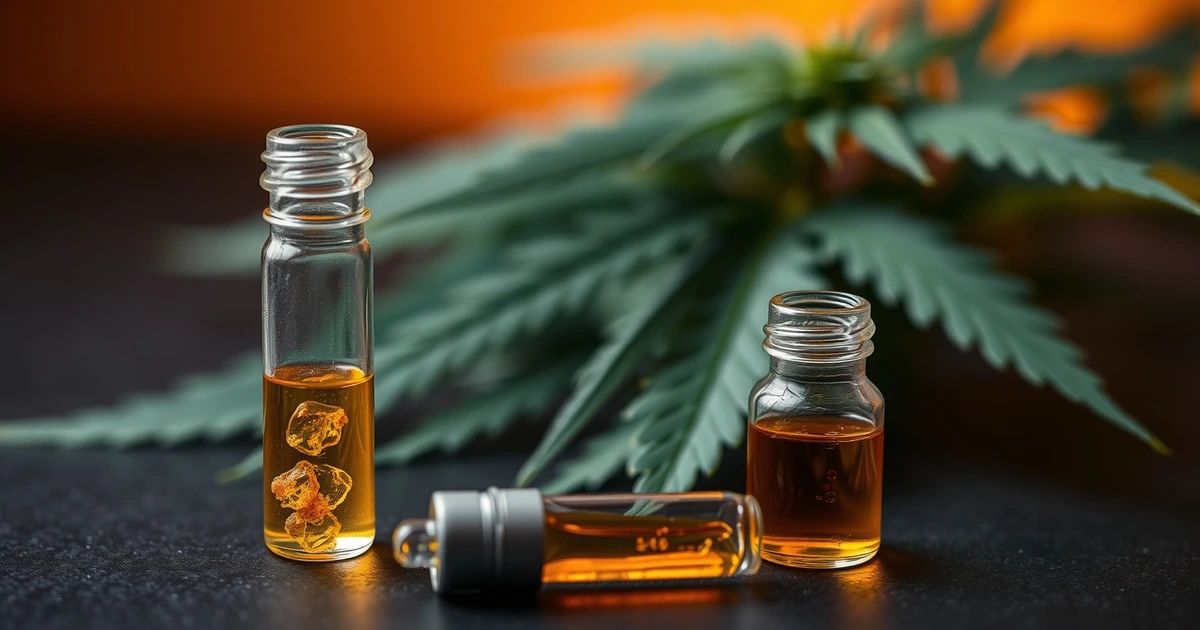
As interest in CBN grows, a range of products has entered the market. CBN tinctures and oils are the most common format — sublingual drops absorbed under the tongue with onset typically 15–45 minutes and effects lasting 3–6 hours. CBN capsules offer convenient, dose-controlled delivery with slower onset (45–90 minutes) but potentially longer duration. CBN gummies are popular for sleep use, often formulated with melatonin or other sleep-supporting compounds at dosages of 5–25mg per serving.
Dosing CBN: What to Expect
There is no established clinical dose for CBN. Most commercial products range from 5–30mg per serving. Based on user reports and limited research:
Low dose (5–10mg): Mild relaxation, subtle calming effect. Appropriate for daytime use or those new to CBN.
Medium dose (15–25mg): More noticeable relaxation, may support sleep onset. Common in CBN sleep products.
Higher dose (30mg+): Stronger sedation, possible mild psychoactive effects. Best reserved for evening use in those with CBN experience.
Start low and wait at least 90 minutes before increasing your dose (especially with edibles or capsules), and note your responses. Individual reactions to cannabinoids vary widely depending on body weight, metabolism, and tolerance.

Is CBN Legal?
The legal status of CBN varies by country and is often unclear. In the United States, CBN derived from hemp (with THC below 0.3%) is generally considered legal under the 2018 Farm Bill, though the FDA has not approved CBN for any health claims. In the European Union, CBN occupies a regulatory grey area — several EU member states classify CBN as a controlled substance due to its structural relationship with THC.
Always verify the legal status of CBN products in your specific country before purchasing. Regulatory frameworks around minor cannabinoids are evolving rapidly.
Safety and Side Effects
CBN's safety profile appears generally favourable based on available evidence, though rigorous long-term human safety data is limited. Reported side effects are typically mild: drowsiness, dry mouth, dizziness at higher doses, and mild appetite changes. CBN should not be combined with sedating medications without medical supervision, as additive sedation may occur. If you are pregnant, breastfeeding, or taking prescription medications, consult a healthcare provider before using any CBN product.
How to Choose a Quality CBN Product
The CBN supplement market is largely unregulated. When selecting a product, look for third-party lab testing (Certificate of Analysis) from an accredited laboratory that confirms CBN content and tests for pesticides and heavy metals. Any reputable brand will provide this documentation. Clear labelling with mg of CBN per serving, CO2 extraction (the gold standard), and EU-certified hemp source (for European buyers) are additional quality markers.
For a broader overview of all known cannabinoids and their properties, see our complete cannabinoid chart. For more on related minor cannabinoids, see our guides on CBG (cannabigerol), CBC cannabichromene guide, and THCV. If sleep is your primary concern, our cannabis and sleep research overview covers the full picture of how cannabinoids interact with the sleep cycle.
Related Articles
Frequently Asked Questions About CBN
CBN is mildly psychoactive — it can produce subtle effects at high doses due to weak CB1 receptor binding. At typical commercial doses (5–25mg), most users report no intoxication. It is significantly less psychoactive than THC.
No. CBN and CBD are different cannabinoids with different origins, molecular structures, and effects. CBN forms from the degradation of THC; CBD is directly synthesised by the cannabis plant. CBD is non-psychoactive; CBN is mildly psychoactive at higher doses.
This depends on the product type. Sublingual tinctures: 15–45 minutes. Edibles/capsules: 45–120 minutes. Vaporised CBN: 2–10 minutes. Effects typically last 3–6 hours.
This is a critical consideration. Standard cannabis drug tests check for THC metabolites. Because CBN is structurally related to THC, some evidence suggests that CBN metabolism may produce metabolites that cross-react with THC immunoassay tests. If drug testing is relevant to you, avoid CBN products or confirm testing methodology with the relevant authority beforehand.
No clinically established dose exists. Most sleep-focused CBN products suggest 15–30mg taken 30–60 minutes before bed. Starting with 10mg and adjusting based on response is a prudent approach.
CBN, like other cannabinoids, may interact with medications metabolised by CYP450 liver enzymes. This includes many common drugs — anticoagulants, antidepressants, antiepileptics, and more. Consult your healthcare provider before combining CBN with prescription medications.
Some users report mild calming effects from CBN, but it is not considered a primary anxiolytic cannabinoid. CBD has significantly more research supporting anxiety relief. If anxiety reduction is your primary goal, CBD-focused products are better supported by current evidence. When evaluating a cannabis product's potency, the TAC (Total Active Cannabinoids) figure gives a more complete picture than THC alone.

Written by
The Green Treasure Editorial Team
Independent cannabis journalism backed by science. We cover terpenes, vaporizers, edibles, growing and health.
Stay in the green loop
Expert guides, terpene science, growing tips, and gear reviews — delivered to your inbox. No spam, ever.
No spam. Unsubscribe anytime.