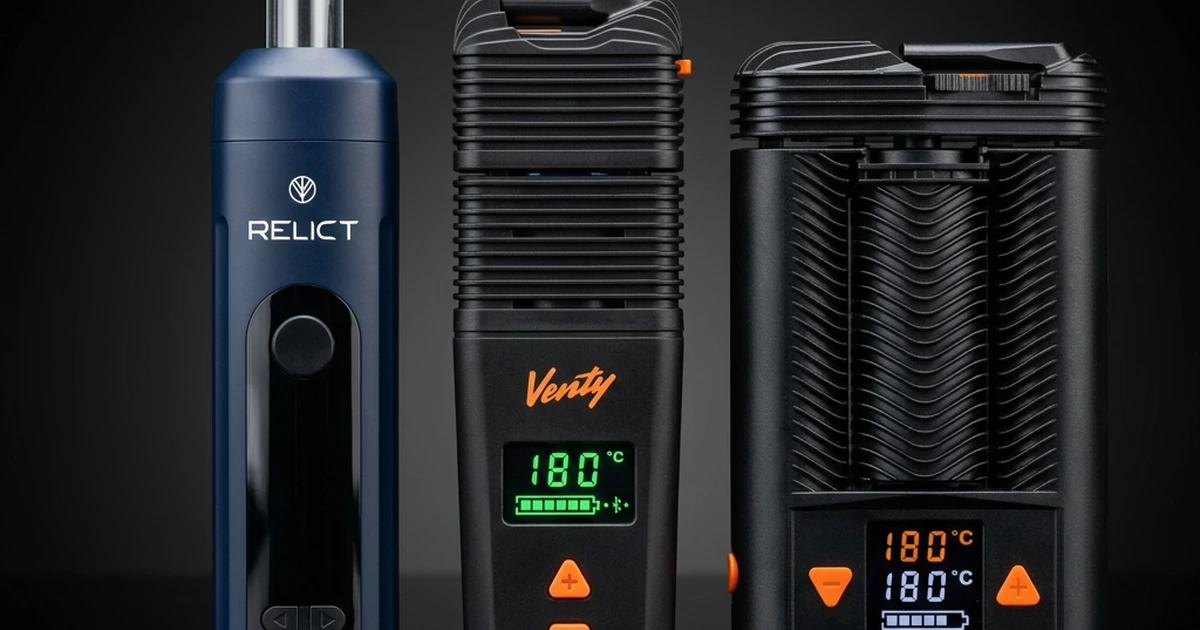
Cannabis Vaporizer Market Trends and Forecast
The cannabis vaporizer market is experiencing unprecedented growth as consumers worldwide shift away from traditional smoking methods. With legalization spreading across North America, Europe, and parts of Asia Pacific, the demand for cleaner, more controlled cannabis consumption devices continues to accelerate. This comprehensive analysis breaks down the current market landscape, emerging trends, and forecasts that will shape the industry through 2035.
Executive Summary: Cannabis Vaporizer Market Size
The global cannabis vaporizer market reached approximately USD 5.7 billion in 2024, establishing itself as a cornerstone of the broader cannabis industry. Industry reports show slight variations, with estimates ranging from USD 5.8 billion (SNS Insider) to USD 6.6 billion in specialized THCa vape analyses.
Looking ahead, projections indicate the market will reach between USD 21.4 billion and USD 27.94 billion by 2034-2035, representing a compound annual growth rate of 14-14.5% throughout the forecast period.
Major growth drivers include:
Expanding legalization of recreational cannabis and medical cannabis across key markets
Shifting consumer preferences toward smoke free consumption methods
Technological advancements in portable, discreet devices
Rising consumer demand for premium, app-connected vaporizers
E-commerce proliferation enabling 35% year-over-year online sales growth
The rapid growth trajectory reflects fundamental changes in how cannabis users approach consumption, prioritizing health outcomes and precise temperature control over traditional methods.
Market Overview: Cannabis Vaporizer Industry
The cannabis vaporizer industry encompasses hardware designed to heat cannabis material to produce inhalable vapor without combustion. This critical distinction separates vaporizers from combustion-based pipes and joints, which generate smoke and associated harmful byproducts.
Products included within the industry scope:
Product Category | Description |
|---|---|
Dry herb devices | Heat ground cannabis flower to extract cannabinoids |
Concentrate vapes | Handle wax, shatter, rosin, and cannabis extracts |
Oil vaporizers | Use cartridge-based systems for cannabis oil and distillates |
Hybrid units | Combine multiple cannabis material capabilities |
Cannabis concentrates demand specialized designs with precise temperature control, as these sticky substances require careful heat management to avoid burning. Cannabis flower vaporizers preserve terpene profiles better than oil systems, offering distinct advantages for flavor-focused consumers.
The industry serves both medical users seeking therapeutic benefits and recreational cannabis enthusiasts prioritizing convenience and potency.
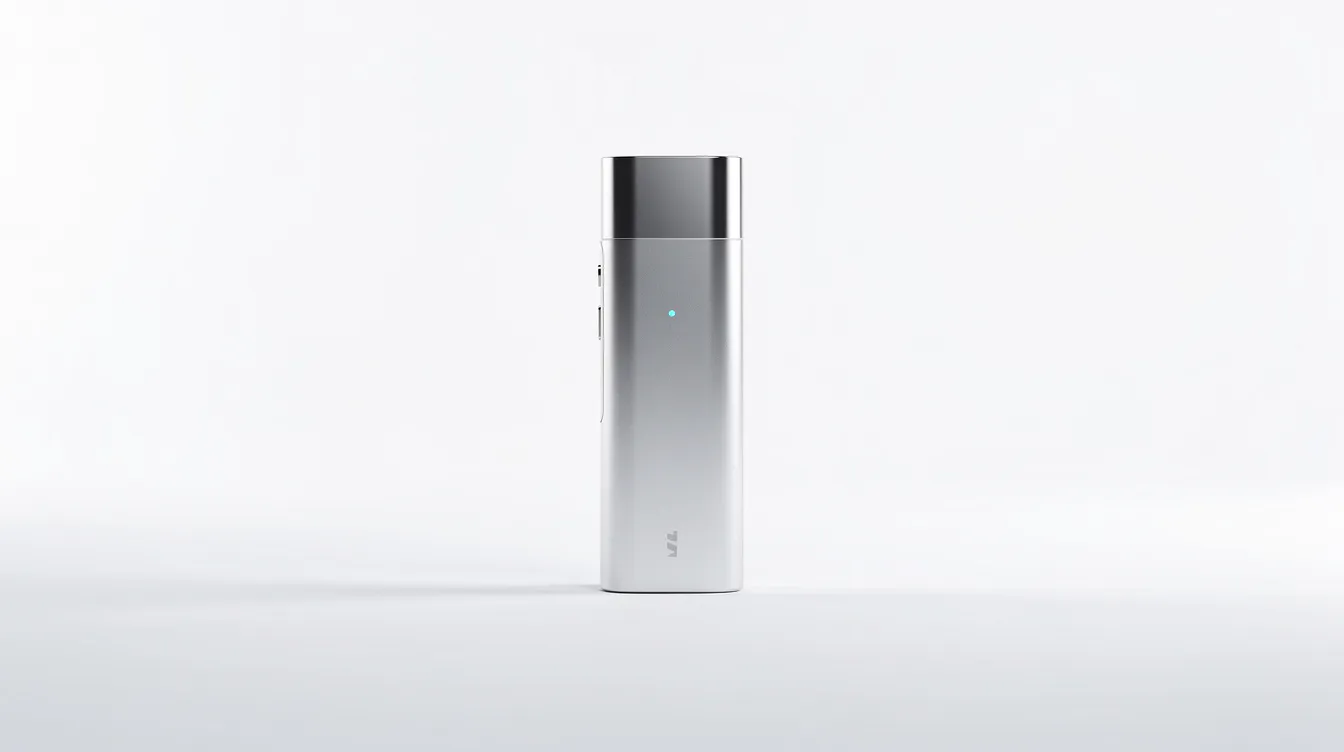

Cannabis Vaporizer Market Size & Share
Historical data reveals rapid expansion from pre-2020 levels, with 2024 marking a consolidation point following post-pandemic legalization accelerations. The cannabis vaporizer market size has stabilized around the USD 5.7-6.6 billion range, setting the stage for continued growth.
Current market share by product type (2024):
Portable vaporizers: 71.1% revenue share
Tabletop vaporizers: Growing fastest due to superior vapor quality
Hybrid devices: Emerging segment with elevated CAGR
The dominance of portable vaporizers reflects strong consumer adoption of discreet consumption methods for on-the-go use. However, tabletop vaporizers are capturing increasing market share among enthusiasts seeking enhanced vapor quality and precision.
Top regions by cannabis vaporizer market share:
Region | Market Share (2024-2025) |
|---|---|
North America | 38-38.26% |
Europe | 22-25% (estimated) |
Asia Pacific | 15-18% (growing fastest) |
Rest of World | Remaining share |
North America dominated the market landscape, driven by mature state-level markets in the United States where legalization correlates with 50% sales spikes in vaporizer adoption.
Cannabis Vaporizer Market Report Structure
Standard cannabis vaporizer market report frameworks follow established methodologies for analyzing this dynamic sector.
Typical report sections include:
Executive summaries covering size and CAGR
Market overviews defining scope and segmentation
Analysis by type, region, and distribution channel
Historical data spanning 2019-2024
Forecasts extending to 2030-2035
Primary data sources:
Manufacturer and retailer surveys (200+ interviews typical)
Government cannabis board reports (Health Canada, U.S. DEA schedules)
Sales data from analytics firms like BDS Analytics and Headset.io
Regulatory filings and compliance documentation
Methodologies for cannabis vaporizer market analysis:
The cannabis vaporizer market focuses on bottom-up sizing via unit sales volumes multiplied by average selling prices, validated through top-down industry revenue analysis. Scenario modeling assumes base legalization trends with upside projections for federal reforms and downside calculations for potential restrictions.
Forecast years commonly span 2025-2034/2035, with assumptions including steady 14%+ CAGR under continued legalization and 10-12% consumer adoption growth from rising consumer awareness.
Cannabis Vaporizer Market Analysis
Segment performance varies significantly across product types, ingredients, heating methods, and sales channels.
Analysis by vaporizer type:
The dry herb vaporizers segment maintains strong performance among consumers who prefer vaping flower for its full-spectrum effects. Portable models lead with a projected 12.78% CAGR, reaching USD 13.9 billion by 2035. Tabletop vaporizers post the fastest growth post-2025, driven by premium home experiences and cannabis lounge adoption.
Ingredient-based segment trends:
Cannabis concentrates and oils dominate among experienced users seeking efficiency
Dry herb remains steady for flavor purists prioritizing terpene preservation
Hybrid materials gain traction as consumers diversify their cannabis products
Heating method trends:
Method | Market Position | Key Characteristics |
|---|---|---|
Convection | Dominant | Even heating via hot air, preserves terpenes, 20-30% efficiency advantage |
Conduction | Growing fastest | Affordable, quick heat-up, prone to uneven vapor |
Induction | Emerging premium | Electromagnetic heating, 2-second heat-up, purest flavor |
Online versus offline channel comparison:
Online channels surge 35% yearly via e-commerce platforms offering wide selections and discreet delivery. However, offline dispensary sales hold steady at approximately 60% of total volume, as consumers value hands-on testing and budtender guidance. The rising popularity of digital purchasing reflects broader consumer interest in convenience.
Product Segmentation: Cannabis Vapes And Cannabis Flower
Understanding cannabis vaporizer products requires examining distinct device categories serving different user needs.
Portable Cannabis Vapes
Portable vaporizers emphasize compact lithium-ion batteries now lasting 60-90 minutes per charge with fast USB-C connectivity. Key features include:
Ergonomic designs under 100g for pocketability
Haptic feedback for temperature notifications
Discrete form factors for public use
App connectivity for customizable profiles
These devices appeal to tech savvy consumers seeking convenience without sacrificing performance.
Tabletop Cannabis Vapes
Tabletop models offer desktop power with 2000mAh+ batteries or plug-in operation. Characteristics include:
Larger chambers for group sessions
Digital displays enabling 1°F precision up to 500°F
Superior vapor production and density
Enhanced durability for home installation
Dry Herb Vaporizers for Cannabis Flower
Devices designed to heat cannabis flower utilize zirconia or glass vapor paths to cool output before inhalation. Convection models pull air through heated flower beds, achieving 90%+ extraction efficiency versus conduction’s direct contact approach. These vaporizers preserve the full spectrum of cannabinoids and terpenes present in the plant material.
Oil Vape Offerings
Oil vaporizers feature 510-thread cartridges holding 0.5-2mL of distillates, often containing 90%+ THC concentrations. Ceramic coils provide clean hits, while pre-filled cartridge systems offer convenience. Many users prefer vape pens for their simplicity and consistent dosing.
Hybrid Vape Offerings
Hybrid devices combine multiple capabilities through interchangeable chambers or dual modes. This segment grows fastest with elevated CAGR through 2032, reflecting consumer demand for versatility in switching between flower sales and concentrate consumption.

Consumer Profiles And Use Cases
The cannabis vaporizer market serves distinct consumer segments with different priorities and behaviors.
Medical cannabis vaporizer user profile:
Age range: Typically 35-55 years old
Health conditions: Chronic pain, anxiety, inflammation
Priorities: Dosing accuracy (1-5mg THC microdoses), low-temperature settings (350-400°F)
Goals: Maximize CBD and terpene extraction for therapeutic benefits without psychoactivity
Medical users and medical patients value devices offering precise temperature control to optimize cannabinoid profiles for specific conditions. Healthcare providers increasingly recognize vaporization as a controlled alternative to smoking cannabis.
Recreational cannabis vaporizer user profile:
Age range: Primarily 18-34 years old
Demographics: Tech-savvy urbanites
Preferences: High-temp portables for quick euphoria from THC-dominant oils
Priorities: Convenience, discreteness, social compatibility
Health conscious consumers across both segments appreciate that vaporization reduces lung irritation by up to 95% versus smoking, according to comparative studies on reducing harmful byproducts.
Primary use cases for cannabis products:
Use Case | Device Preference | Consumer Profile |
|---|---|---|
Wellness | Daily CBD sessions | Health-focused adults |
Social | Tabletop sharing | Lounge enthusiasts |
Travel | Discreet portables | Urban professionals |
Therapeutic | Precise flower vapes | Medical patients |
Understanding these use cases helps manufacturers develop cannabis related products that achieve consumer satisfaction across diverse needs.
Technology & Innovation In Cannabis Vaporizer Industry
Technological advancements continue reshaping the competitive landscape, with innovations addressing efficiency, safety, and user experience.
Convection Heating Benefits
Convection heating circulates hot air through cannabis material, delivering uniform extraction that minimizes plant matter taste and waste. This heating method achieves 20-30% higher efficiency than conduction systems, reducing material consumption while enhancing vapor quality.
The technology appeals to discerning consumers who prioritize flavor preservation and economical use of premium flower.
Induction Heating Benefits
Emerging as a premium technology, induction heating uses electromagnetic fields to instantly heat chambers without direct heating elements. Benefits include:
2-second heat-up times
Elimination of hot spots
Purest flavor profiles
Extended device longevity
Battery Improvements
Modern devices incorporate 5000mAh capacities with pass-through charging and safety circuits preventing overheating. Smart vaporizers now offer:
All-day battery life
USB-C fast charging
Battery health monitoring
Temperature memory functions
Device Safety Improvements
Safety innovations address environmental concerns and user protection:
Auto-shutoff timers
Child lock mechanisms
Lab-certified materials free of heavy metals
Certified sustainable materials in construction
App-Enabled Controls
Bluetooth connectivity enables app-enabled controls allowing customizable temperature profiles, usage tracking, and firmware updates. Devices like the DaVinci vaporizer series exemplify this smartphone-like approach, appealing to consumers seeking personalized experiences.
Regulatory Landscape And Compliance
Navigating the regulatory environment requires understanding significant regional variations and compliance requirements.
Regional regulatory differences:
United States: Federal Schedule I status conflicts with 38+ states allowing sales
Canada: Fully legal since 2018 with Health Canada mandating child-resistant packaging
Europe: Fragmented, with Germany’s 2024 partial recreational reform boosting programs
Asia: Restricted primarily to medical pilots in Thailand and Australia
Major compliance requirements for vaporizers:
Requirement | Standard |
|---|---|
Manufacturing | GMP certified facilities |
Laboratory testing | ISO-certified labs for potency verification |
Heavy metals | <0.5ppm lead limits |
Solvent residues | <500ppm butane in extracts |
Labeling requirements:
Manufacturers must include THC/CBD milligrams per serving, usage warnings, batch traceability codes, and age restriction notices. Educating consumers through clear labeling builds trust and ensures legal compliance.
Testing expectations:
Third-party verification covers solvent residues, heavy metal contamination, pesticide screening, and emission safety. These standards help address health risks and maintain consumer confidence in cannabis vaporizer products.
Regional Analysis And Asia Pacific Trends
Geographic markets demonstrate distinct characteristics, growth rates, and regulatory environments affecting market expansion.
North America Cannabis Vaporizer Market Trends
North America commanded 38%+ of the global market size in 2024, with the United States at the forefront of adoption. The region benefits from established recreational programs and strong consumer adoption patterns.
Regulatory trends affecting sales:
Biden-era rescheduling proposals accelerating market acceptance
State-by-state expansion of recreational programs
24 states offering recreational access by 2025
Banking reform discussions improving industry access to capital
Leading state markets:
State | National Vape Share | Key Drivers |
|---|---|---|
California | 25% | Prop 64 since 2016, mature market |
Colorado | 12-15% | Early legalization, tourism |
Michigan | 8-10% | Rapid post-legalization growth |
The company focuses on these high-volume states demonstrate that legalization correlates directly with vaporizer sales acceleration.
Europe Cannabis Vaporizer Market Trends
The europe cannabis vaporizer market holds a growing share driven primarily by medical program expansion. European consumers increasingly recognize vaporization as a preferred consumption method.
Regulatory drivers:
Germany’s 2024 Cannabis Act enabling home cultivation and vaporizer purchases
UK pharmaceutical influences through companies like GW Pharma
Netherlands maintaining progressive policies with 20-30% adoption rates
Medical program adoption rates across Europe emphasize vapor for respiratory health advantages, with 15-20% of enrolled patients utilizing vaporization. The market positions itself for acceleration as recreational frameworks develop.
Asia Pacific Cannabis Vaporizer Market Trends
Asia Pacific grows at 11.4% CAGR, representing the fastest regional growth rate globally. The region presents both manufacturing advantages and emerging consumer markets.
Manufacturing hubs:
China produces 80% of global vape hardware components
India manufactures accessories despite recreational bans
Regional supply chains support global distribution
Medical-market adoption patterns:
Australia: Pharmaceutical-grade vapes through authorized channels
Thailand: Pilot programs since 2018 showing 30% patient preference for vaporization
South Korea: Limited medical frameworks emerging
Despite recreational restrictions, asia pacific manufacturing dominance ensures the region’s central role in the global supply chain.
Rest Of World Cannabis Vaporizer Market Trends
Emerging markets with pilot programs include:
Israel: Medical cannabis leader with advanced research infrastructure
Brazil: Reform discussions alongside traditional plant medicine frameworks
Latin America: Uruguay maintaining progressive policies
Import dependency remains high, with most markets relying on China and U.S. manufacturing. Regulatory barriers, including total bans in regions like the UAE, limit near-term growth potential but create opportunities for future market expansion as policies evolve.
Competitive Landscape And Key Companies
The competitive environment features established leaders and innovative challengers competing for cannabis vaporizer market share.
Top companies by market position:
Company | Specialty | Market Position |
|---|---|---|
Pax | Portable dry herb, app controls | 20%+ U.S. share |
Storz & Bickel | Tabletop Volcano, medical precision | Gold standard for desktop |
DaVinci | IQ series hybrids | Premium portable segment |
Boundless | Affordable convection | Value-focused consumers |
Smoke Cartel | Distribution, accessories | Major retail presence |
Product innovation among leaders:
Pax’s 4th-generation devices incorporate induction heating and comprehensive app ecosystems. Storz & Bickel maintains medical-grade precision targeting healthcare integration. DaVinci emphasizes hybrid functionality for consumers seeking alternative consumption methods across multiple materials.
Recent M&A activity:
Canopy Growth acquired vapor technology firms pursuing vertical integration strategies. Consolidation continues as larger cannabis operators seek device manufacturing capabilities.
Strategic partnerships:
Juul’s CBD pivots adapting existing technology for cannabinoid delivery
Planet of the Vapes partnering with dispensary chains for exclusive bundles
Physical stores collaborating with online platforms for omnichannel presence
Distribution Channels And E‑Commerce
Distribution strategies significantly impact market reach and consumer access to cannabis vaporizer products.
Online cannabis vape sales assessment:
E-commerce platforms demonstrate 35% year-over-year growth, driven by:
Wide product selections exceeding physical store limitations
Discreet delivery with 25% premium willingness
Subscription models for replacement parts and cartridges
Leafly-integrated shops enabling informed purchasing
Offline dispensary channel assessment:
Brick-and-mortar dispensaries maintain approximately 60% of volume through:
Demo unit availability for hands-on testing
Budtender guidance and personalized recommendations
Immediate product availability
Trust-building face-to-face interactions
Recommended distribution mix scenarios:
Market Type | Online | Offline |
|---|---|---|
Mature markets | 60% | 40% |
Restrictive regions | 80% | 20% |
New markets | 40% | 60% |
Brands should calibrate channel strategies based on regional regulations and consumer preferences for either convenience or consultation.
Market Opportunities, Risks And Investment Themes
Strategic analysis reveals significant opportunities alongside notable risk factors for stakeholders.
Opportunities in medical cannabis expansion:
The medical segment addresses over 50 million global patients potentially benefiting from vaporization. Precise dosing capabilities position devices as therapeutic tools rather than recreational products, opening healthcare integration pathways and supporting medical users with specific treatment needs.
Sustainability demand for eco-friendly devices:
Environmental concerns drive consumer interest in:
Recyclable plastic components
Organic chamber materials
Reduced packaging waste
Extended device lifespans through modular design
Companies emphasizing sustainable materials capture growing eco-conscious market segments.
Regulatory risk scenarios:
Risk Level | Scenario | Impact |
|---|---|---|
High | U.S. FDA flavor bans | 20% sales reduction |
Medium | State-level restrictions | Regional market limitations |
Low | Federal enforcement | Industry disruption |
Monitoring legislative developments remains essential for risk management.
Device safety perception risks:
The 2019 vape crisis (EVALI cases) damaged consumer confidence, though incidents traced primarily to black-market vitamin E acetate now represent less than 1% of market concerns given mandatory testing. Continued emphasis on third-party verification addresses lingering health risks perceptions.
Market Forecast And Scenario Modeling
Future projections depend on regulatory trajectories and consumer adoption rates.
Base-case market size forecast:
The market reaches USD 21-27 billion by 2034 at 14% CAGR, assuming:
Steady state-level legalization continuation
24+ U.S. states with recreational access
10-12% annual consumer adoption growth
Stable regulatory environments in mature markets
Legalization upside scenario:
Full U.S. federal legalization could accelerate growth to 20%+ CAGR, potentially reaching USD 30+ billion by 2034. This scenario assumes:
National retail framework establishment
Banking access normalization
Interstate commerce permissions
Accelerated international harmonization
Restrictive-regulation downside scenario:
Federal crackdowns or significant regulatory reversals cap growth at 8-10% CAGR with market size limited to approximately USD 15 billion. Key downside triggers include:
FDA classification changes
State-level program rollbacks
International trade restrictions
Investors and operators should develop contingency strategies addressing multiple regulatory outcomes.
Appendix: Data, Methodology, And Terms
Primary data sources used:
Global Market Insights industry surveys (200+ manufacturer interviews)
SNS Insider market tracking reports
Grand View Research competitive analysis
Fortune Business Insights regional breakdowns
Health Canada regulatory filings
BDS Analytics and Headset.io sales data
Forecasting methodology:
Analysis employs ARIMA models blending historical CAGRs with regression analysis on legalization indices. Google Trends data for terms like “vape cannabis” supplements quantitative projections. Bottom-up sizing multiplies unit volumes by average selling prices, validated through top-down industry revenue verification.
Glossary of key cannabis industry terms:
Term | Definition |
|---|---|
Convection | Air-heated vaporization method |
Conduction | Contact-heated vaporization method |
Terpenes | Flavor and aroma compounds in cannabis |
Distillate | Refined cannabis oil (90%+ THC typical) |
Combustion byproducts | Harmful substances from burning plant material |
510-thread | Standard cartridge connection type |
CAGR | Compound annual growth rate |
The cannabis vaporizer market represents one of the most dynamic sectors in consumer health technology, driven by fundamental shifts in how people approach cannabis consumption. Whether you’re an investor evaluating opportunities, an entrepreneur planning market entry, or an industry professional tracking competitive dynamics, understanding these trends positions you for strategic success.
As health conscious consumers continue abandoning smoking cannabis in favor of vaporization, the companies and stakeholders who anticipate regulatory changes and technological innovations will capture disproportionate value in the years ahead.
Related Articles
Frequently Asked Questions

Written by
The Green Treasure Editorial Team
Independent cannabis journalism backed by science. We cover terpenes, vaporizers, edibles, growing and health.
Stay in the green loop
Expert guides, terpene science, growing tips, and gear reviews — delivered to your inbox. No spam, ever.
No spam. Unsubscribe anytime.