Growing your own cannabis is one of the most rewarding experiences in the hobby — and it's more achievable than most beginners think. You don't need a massive space, complex equipment, or years of experience to produce quality flower. This complete beginner's guide covers everything from choosing a setup to your first optimal harvest temperatures.
Legal note: Home growing laws vary dramatically by location. In Germany, personal cultivation of up to 3 plants is legal for adults since 2024. In the US, legality varies by state. Always verify your local laws before growing.
Step 1: Choose Your Growing Method
Indoor Growing
The most popular choice for beginners — complete control over environment, year-round growing, private and discreet.
- Pros: Year-round growing, full environmental control, privacy, predictable harvests
- Cons: Initial equipment investment (€300–1000+), electricity costs, requires more attention
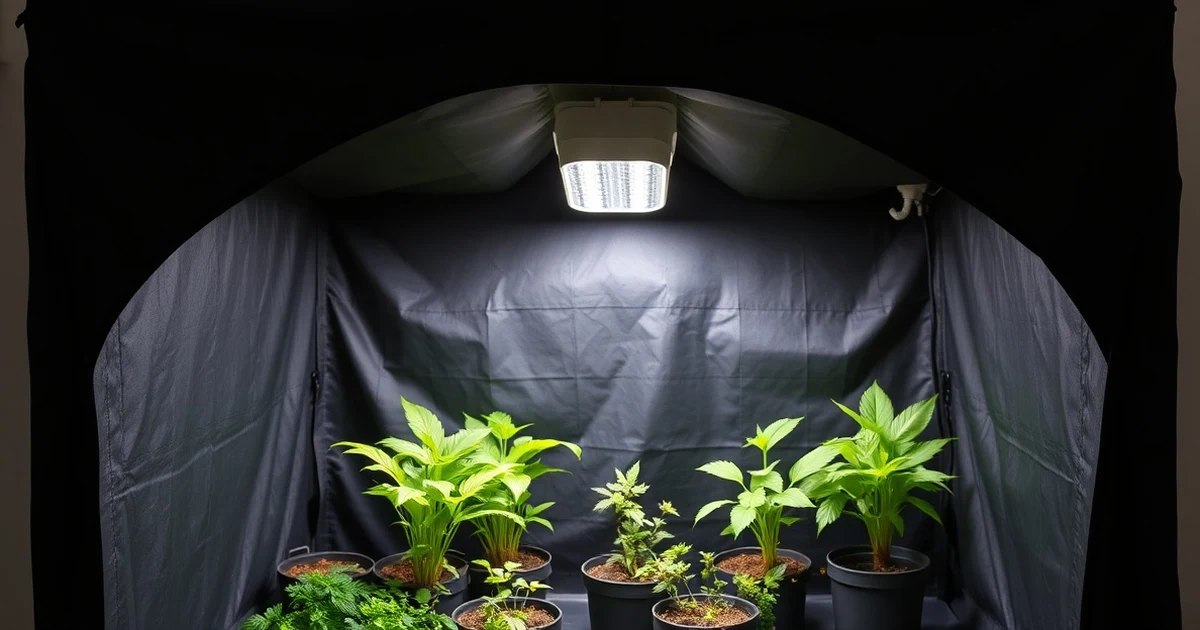
- Typical setup: Grow tent (60×60cm to 100×100cm), LED grow light, ventilation, pots, growing medium
Outdoor Growing
Simplest, cheapest approach — sun-powered, natural, massive potential yield.
- Pros: Low cost, minimal equipment, plants can grow very large, natural sunlight
- Cons: Seasonal (spring planting, fall harvest), weather dependent, less privacy, pest/disease risk
- Best climate: Long, warm summers; harvest in October in most of Europe
Autoflower vs Photoperiod: The Most Important Choice
- Autoflowering high-terpene cannabis strainss: Flower automatically based on age (8–12 weeks seed to harvest), don't require light schedule changes, forgiving for beginners, smaller yield but faster
- Photoperiod strains: Flower when light schedule changes to 12/12 hours, larger yield potential, more control over plant size, require light timing management
Recommendation for beginners: Start with autoflower vs feminized seedsing strains — simpler, faster, and more forgiving of mistakes.
 grow tent setup plant vegetative stage beginners" width="1200" height="630" loading="lazy" decoding="async" />
Step 2: Essential Equipment for Indoor Growing
Grow Light
The most important piece of equipment — light is your plant's energy source.
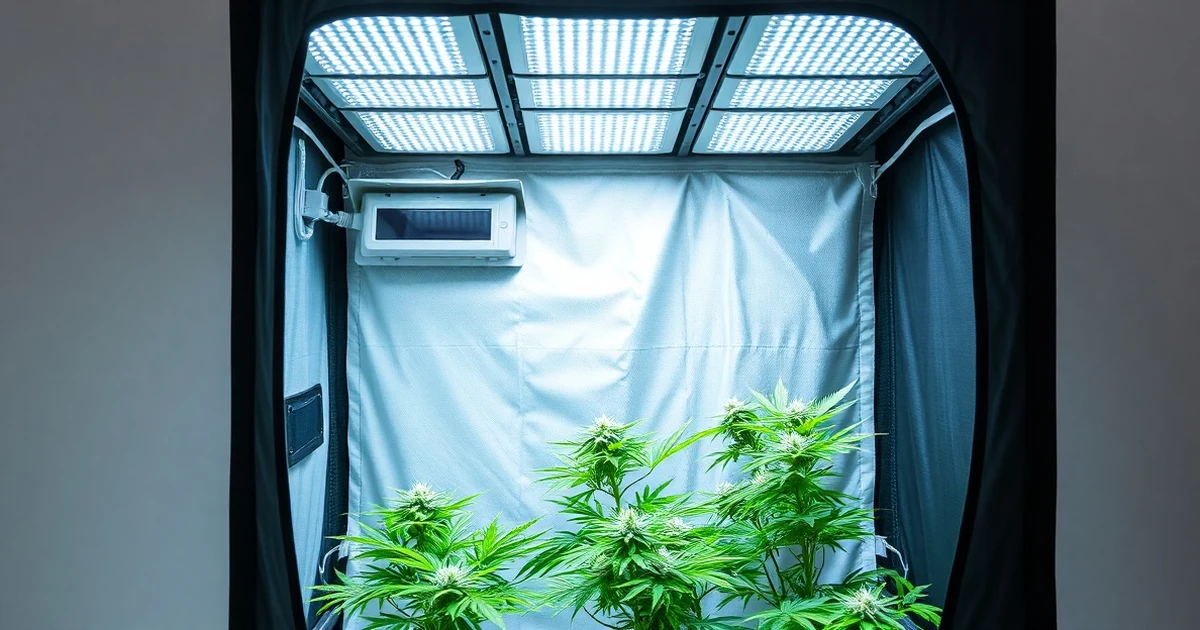
- LED grow lights: Best option for most beginners — energy efficient, full spectrum, low heat, long lifespan. Quantum board LEDs (Samsung LM301B/H chips) are the current gold standard.
- Power guide: ~35–50W actual LED power per sq ft of growing space (not claimed watts, actual watts)
- For a 60×60cm tent: 100–150W actual LED sufficient for 1–2 plants
- For a 100×100cm tent: 250–300W actual LED for 4–6 autoflowers
Grow Tent
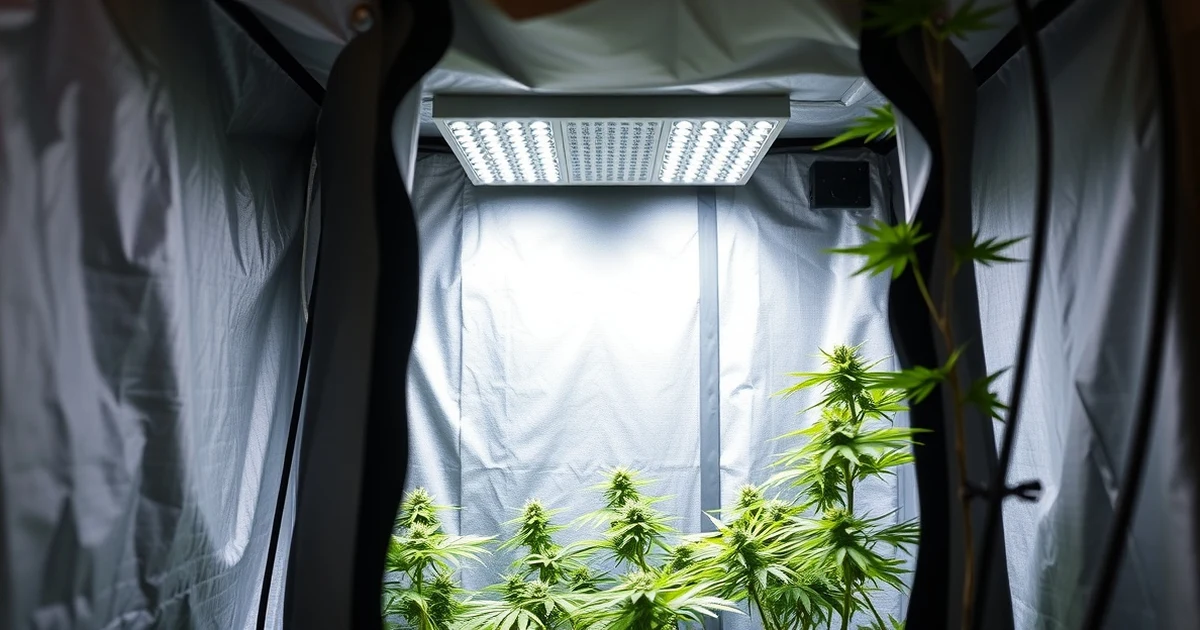
Reflective interior maximizes light use; keeps smell contained with proper ventilation. See our complete grow tent guide for size recommendations.
Ventilation
- Inline fan carbon filter: Removes smell, maintains CO2 levels, controls temperature/humidity
- Rule of thumb: Fan should exchange the tent's air volume every 1–3 minutes
- Oscillating fans: Circulate air inside the tent, strengthen stems, prevent hotspots
Growing Medium
- Soil (recommended for beginners): Most forgiving — buffers pH and nutrients naturally. Use quality cannabis-specific soil or add 20–30% perlite to potting mix for better drainage.
- Coco coir: Inert medium requiring full nutrient management — more control, faster growth, steeper learning curve
- Hydroponics: Fastest growth potential but most complex — not recommended for absolute beginners
Pots
- Autoflowers: 7–12L (2–3 gallon) fabric pots — final container from the start
- Photoperiod: Start in small pots (0.5L), transplant up as needed; final pot 15–25L
- Fabric pots recommended — better air pruning of roots, prevent overwatering

Step 3: Understanding the Growing Stages
Germination (1–7 days)
The seed sprouts a taproot. Methods:
- Paper towel method: Place seeds between moist paper towels, keep warm (22–25°C). Taproot appears in 1–5 days. Transfer to soil when taproot is 5–10mm.
- Direct soil seed germination guide: Plant seed 5mm deep in moist soil, keep warm. Less handling risk but less visibility.
Seedling Stage (1–3 weeks)
First true leaves appear. Keep lights close (LED: 40–60cm), humidity high (60–70%), temperatures 22–26°C. Water lightly — seedlings are delicate and prone to overwatering.
Vegetative Stage (2–8 weeks)
Rapid growth of stems, branches, and leaves. The plant builds its structure for eventual bud production.
- Light schedule: 18 hours on / 6 hours off for photoperiods; autoflowers continue at 18-20/4-6
- Training techniques: Low Stress Training (LST) — gently bend and tie branches to create a flat canopy; increases yields significantly
- Watering: Water when top 2–3cm of soil is dry; lift pot — lighter = time to water
- Nutrients: Nitrogen-heavy feeds during veg (N-P-K ratio like 3-1-2)

Flowering Stage (6–14 weeks depending on strain)
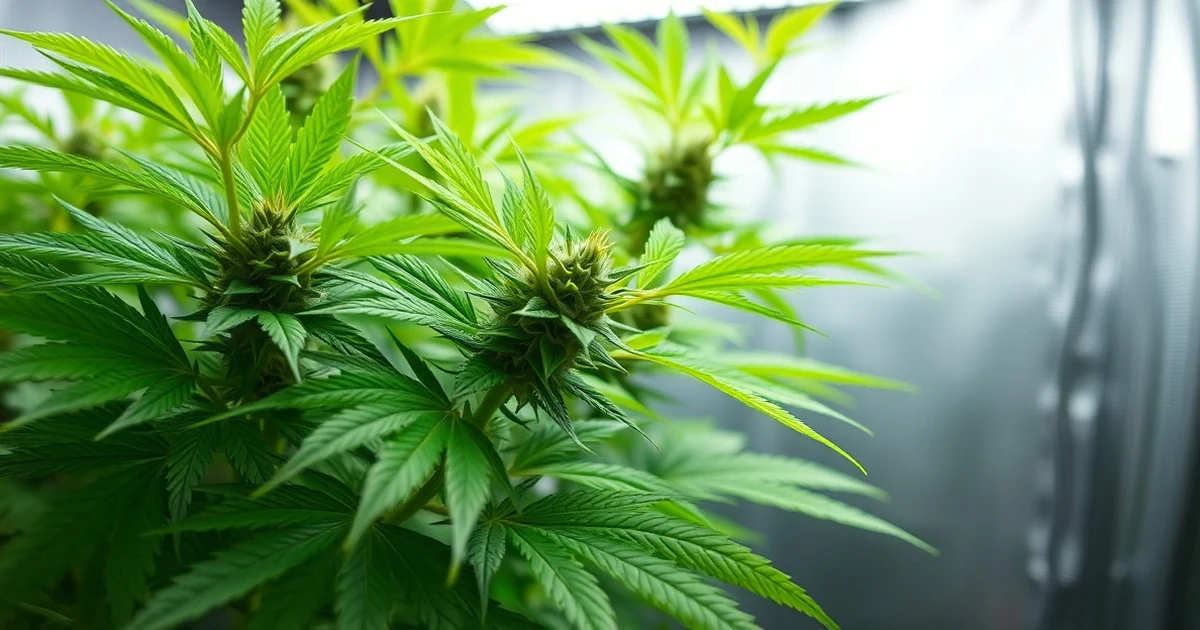
The plant produces buds (trichome-covered flowers containing cannabinoids and cannabis terpene profiless).
- Trigger for photoperiods: Change light to 12/12 (12 hours on, 12 hours darkness)
- Autoflowers: Begin flowering automatically after 3–5 weeks, regardless of light
- Nutrients: Shift to phosphorus/potassium heavy feeds (P-K ratio increase)
- Week 4–6: Buds swell significantly — "the stretch" plus bud development
- Week 6–8: Trichomes develop; white pistils start turning amber/orange
- Flush: Last 1–2 weeks, many growers feed only plain water to clear nutrients
Harvest: When Is It Ready?
The most critical judgment call in growing:
- Trichome inspection (most accurate): Use a jeweler's loupe (30–60×) or digital microscope. Clear trichomes = too early. Milky/cloudy = peak THC. Amber trichomes = THC converting to CBN, more body effect.
- Optimal harvest window: 70–80% milky 20–30% amber for balanced effect; more amber = more sedating
- Pistil method (less accurate): When 70–80% of white hairs have turned orange/red — roughly indicates readiness
Step 4: Drying and Curing
Proper drying and curing is what separates amateur harvests from professional-quality product.
Drying (7–14 days)
- Cut branches and hang upside down in a dark room
- Temperature: 15–20°C; Humidity: 45–55%
- Airflow but not direct air on buds
- Ready when small stems snap (not bend) and outside feels dry but inside still slightly moist
Curing (2–8 weeks)
- Trim buds and place in glass mason jars (fill 75%)
- "Burp" jars daily for first 2 weeks (open for 10–15 minutes to release moisture and CO2)
- Cure for minimum 2–4 weeks; 8+ weeks produces noticeably smoother, more complex flavor
- Proper curing develops terpene profile, reduces harshness, improves potency

Common Beginner Mistakes
| Mistake | Problem | Fix |
|---|---|---|
| Overwatering | Root rot, yellowing, drooping | Water only when top soil is dry; check pot weight |
| Wrong pH | Nutrient lockout even with feeding | pH soil/water to 6.0–7.0; check regularly |
| Too much nutrients | Nutrient burn (brown leaf tips) | Start at 1/4–1/2 recommended dose; increase gradually |
| Light too far / too close | Stretching (too far) or light burn (too close) | Follow manufacturer's distance guide; adjust by VPD |
| Harvesting too early | Lower yield, harsher taste, less potency | Use trichome inspection; wait for milky/amber ratio |
| Skipping curing | Harsh smoke, grass/hay taste, lower potency | Always cure minimum 2–4 weeks in sealed glass jars |
Beginner Strain Recommendations
- Northern Lights Auto: Classic, forgiving, excellent for beginners. 8–9 weeks from seed. Relaxing, high-myrcene indica effects.
- Blue Dream Auto: Balanced sativa-leaning, good yields, weed mold identification-resistant. Forgiving of beginner mistakes.
- Critical Auto: High yield potential in compact plant. Fast (8–9 weeks). Good resin production.
- Royal Dwarf Auto: Compact (40–60cm), ideal for very small spaces, 8–9 weeks.
Key Takeaways
- Autoflowering strains are strongly recommended for first-time growers — simpler and faster
- LED grow lights (quantum board style) are the best modern option for indoor growing
- The biggest beginner mistakes are overwatering and harvesting too early
- Trichome inspection (jeweler's loupe or microscope) is the most accurate harvest timing method
- Proper curing (2–8 weeks in sealed glass jars) is as important as the grow itself for final quality
- Start small — 1–2 plants in a 60×60cm tent teaches you everything needed to scale up
Related Articles
Frequently Asked Questions

Written by
The Green Treasure Editorial Team
Independent cannabis journalism backed by science. We cover terpenes, vaporizers, edibles, growing and health.
Stay in the green loop
Expert guides, terpene science, growing tips, and gear reviews — delivered to your inbox. No spam, ever.
No spam. Unsubscribe anytime.