If you have ever peeled an orange and felt an instant wave of freshness, you have already experienced limonene in action. This citrus-scented terpene is one of the most abundant compounds found in cannabis, essential oils, and dozens of everyday fruits. But limonene is far more than a pleasant aroma — emerging research suggests it may influence mood, stress response, digestion, and inflammation in meaningful ways.
In this comprehensive guide, we explore everything you need to know about limonene effects, from the science behind this remarkable terpene to practical tips for finding limonene-rich cannabis strains. Whether you are a seasoned cannabis enthusiast or just beginning to explore the world of terpenes, understanding limonene can help you make more informed choices about the products you use.
What Is Limonene?
Limonene is a monocyclic monoterpene with the molecular formula C10H16. It belongs to the broader family of terpenes — organic hydrocarbons produced by a wide range of plants, insects, and even some marine organisms. Limonene exists in two mirror-image forms (enantiomers): D-limonene, which carries the classic citrus scent, and L-limonene, which smells more piney or turpentine-like. When people discuss limonene in the context of cannabis and aromatherapy, they are almost always referring to D-limonene.
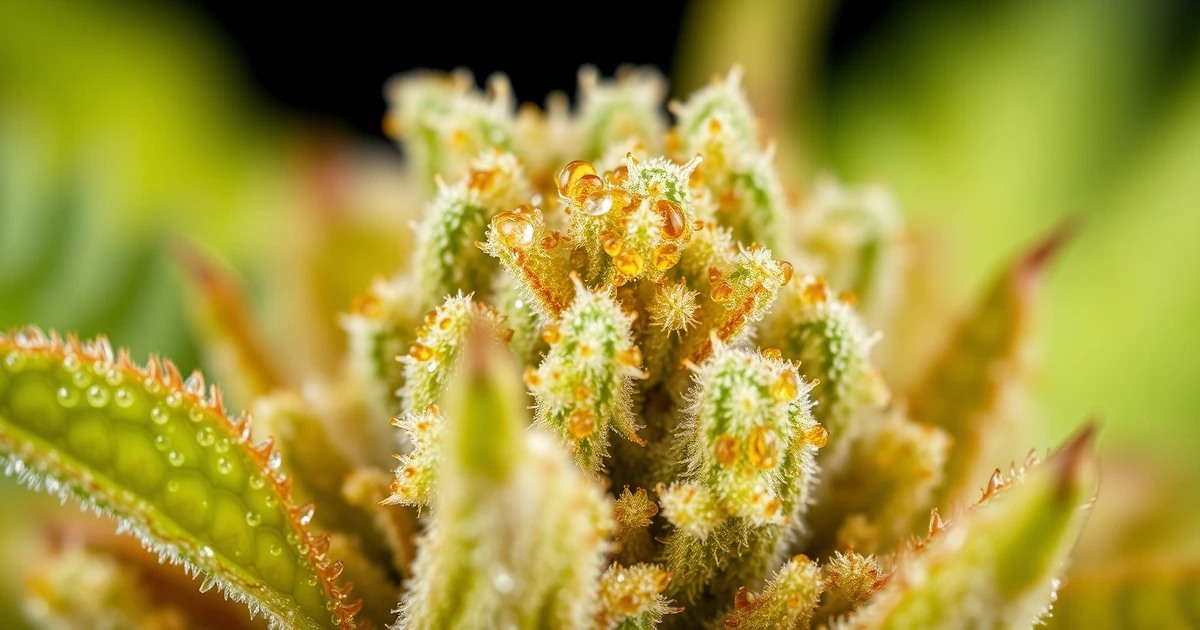
In plants, limonene serves as a natural defense mechanism. Its strong aroma deters herbivores and attracts pollinators, giving the plant a survival advantage. In cannabis, limonene is synthesized in the trichomes — the tiny, crystal-like glands that coat the surface of flowers and leaves.
Where Is Limonene Found?
While cannabis is a notable source, limonene is extraordinarily common throughout the plant kingdom. You will find high concentrations of this terpene in:
- Citrus fruits — Lemon, orange, lime, grapefruit, and tangerine peels are the richest natural sources. Lemon peel oil can contain up to 70% limonene by weight.
- Juniper berries — Used in gin production and traditional herbal medicine.
- Peppermint and spearmint — Contributing to their sharp, refreshing character.
- Rosemary — Where limonene works alongside pinene and other terpenes.
- Cannabis — Particularly in strains with citrusy, lemon, or orange aroma profiles.
Limonene is also widely used in the food, cosmetic, and cleaning industries. It is classified as Generally Recognized as Safe (GRAS) by the U.S. Food and Drug Administration, which speaks to its well-established safety profile at normal exposure levels.
The Reported Effects of Limonene
Research into limonene effects has expanded significantly over the past two decades. While much of the evidence comes from preclinical studies (cell cultures and animal models), the findings are promising enough to drive ongoing human trials. Here is what the science suggests so far.
Mood Elevation and Stress Relief
One of the most frequently cited limonene effects is its potential to elevate mood and reduce feelings of stress and anxiety. A 2013 study published in Behavioural Brain Research found that inhaled limonene vapor produced measurable anxiolytic (anti-anxiety) effects in mice, influencing serotonin and dopamine activity in the brain. The researchers noted that the effects were comparable to certain conventional anxiolytic medications.
In human research, a small but notable 2006 study from Psychoneuroendocrinology investigated the effects of citrus fragrance (rich in limonene) on patients with depression. The authors reported that citrus aroma exposure was associated with normalization of neuroendocrine hormone levels and improved mood scores, suggesting that limonene may influence the hypothalamic-pituitary-adrenal (HPA) axis — the body’s central stress response system.
Aromatherapists have long used lemon and orange essential oils for their uplifting qualities, and these traditional practices now appear to have a growing body of scientific support behind them.
Anti-Inflammatory Properties
Chronic inflammation is a driver behind numerous health conditions, and researchers have been investigating whether terpenes like limonene may help modulate inflammatory pathways. A 2019 study in the European Journal of Pharmacology demonstrated that limonene suppressed the production of pro-inflammatory cytokines (including TNF-α, IL-1β, and IL-6) in a rodent model of acute lung injury.
Another study, published in Molecular Medicine Reports in 2017, found that D-limonene inhibited NF-κB signaling — a key molecular pathway involved in inflammatory and immune responses. While these results are from laboratory and animal studies, they suggest that limonene may contribute to the anti-inflammatory effects that many cannabis users report.
Digestive Support
Limonene has a long history of use in traditional medicine for digestive complaints, and modern research offers some validation for these practices. A 2007 study in the Alternative Medicine Review reviewed the evidence for D-limonene as a treatment for gastroesophageal reflux disease (GERD) and heartburn. The review noted that D-limonene appeared to provide relief from heartburn symptoms, possibly by promoting normal peristalsis and coating the esophageal lining.
D-limonene supplements are available over the counter in many countries for digestive support, typically in doses of 1,000 mg (about 0.035 oz). While these supplements are not the same as inhaling limonene from cannabis, the digestive benefits reported across multiple studies suggest this terpene may play a supportive role in gut health.
Potential Anticancer Research
Some of the most intriguing limonene research involves its potential anticancer properties. A landmark study published in Cancer Research as early as 1992 found that D-limonene caused regression of mammary carcinomas in rats. Since then, additional preclinical research has explored limonene’s effects on breast, colorectal, gastric, and lung cancer cell lines.
A phase I clinical trial published in Cancer Epidemiology, Biomarkers & Prevention in 2013 found that limonene concentrated in breast tissue after oral consumption, and early data suggested it may influence biomarkers associated with breast cancer development. However, it is crucial to emphasize that these are early-stage findings. No one should consider limonene a cancer treatment or replace conventional medical care with terpene supplementation.
Antimicrobial and Antifungal Activity
Limonene has demonstrated antimicrobial properties in laboratory settings. Research published in the Brazilian Journal of Microbiology in 2012 showed that limonene exhibited antibacterial activity against strains including Staphylococcus aureus and Escherichia coli. Other studies have found antifungal properties against Candida species and various molds.
This antimicrobial profile may partly explain why citrus-based cleaning products are so effective, and why limonene-rich plants tend to resist certain pathogens in their natural environments.
Potential Bronchodilator Effects
Some research suggests limonene may help open airways. A study in Pulmonary Pharmacology & Therapeutics observed bronchodilatory effects when limonene was administered to airway tissue, which could be relevant for individuals interested in the respiratory effects of different terpenes. However, far more research is needed before any definitive claims can be made.
Limonene and the Entourage Effect
One of the most important concepts in modern cannabis science is the entourage effect — the theory that cannabinoids, terpenes, and other plant compounds work synergistically to produce effects that are greater than the sum of their parts. Limonene is thought to play a significant role in this phenomenon.
When limonene is present alongside cannabinoids like THC and CBD, it may enhance their absorption through cell membranes and influence how they interact with the endocannabinoid system. A 2011 review by Dr. Ethan Russo, published in the British Journal of Pharmacology, highlighted terpene-cannabinoid synergy as a promising area for therapeutic development, specifically citing limonene’s potential to augment the effects of CBD for anxiety relief.
This synergy is a key reason why many consumers and researchers advocate for full-spectrum or broad-spectrum cannabis products over isolates — the presence of terpenes like limonene may meaningfully alter the overall experience.
To learn more about how different terpenes interact and compare, check out our complete terpene chart with profiles, effects, and boiling points for every major cannabis terpene.
Cannabis Strains High in Limonene
Not all cannabis strains contain significant amounts of limonene. Terpene profiles vary widely depending on genetics, growing conditions, harvest timing, and curing methods. However, certain cultivars are consistently associated with high limonene content:
Classic Limonene-Dominant Strains
- Super Lemon Haze — A sativa-dominant hybrid famous for its sharp lemon aroma and energizing effects. Frequently tests with limonene as the dominant or co-dominant terpene.
- Lemon Skunk — Bred from two separate lemon phenotypes, this strain is a reliable source of limonene-forward profiles.
- Jack Herer — A legendary sativa-dominant cultivar with a complex terpene profile that often features prominent limonene alongside terpinolene and pinene.
- Durban Poison — A pure sativa landrace strain from South Africa, known for its sweet, citrus-tinged aroma and uplifting effects.
- Wedding Cake — Despite its dessert-like name, many phenotypes of Wedding Cake test high in limonene, contributing to its tangy, slightly sour character.
- Do-Si-Dos — An indica-dominant strain that often features a limonene-rich profile, balanced by earthy and floral undertones.
- Berry White — A hybrid with a surprisingly citrus-heavy terpene profile that often includes significant limonene.
- Strawberry Banana — Known for its fruity sweetness, many batches test with limonene as a top-three terpene.
How to Identify Limonene-Rich Strains
Finding limonene-rich cannabis is easier than you might think, though it requires some attention to detail:
- Read lab reports. The most reliable way to identify limonene content is through Certificates of Analysis (COAs). Look for D-limonene in the terpene profile section. Strains testing above 0.5% limonene can be considered limonene-rich, while those above 1% are exceptionally high.
- Trust your nose. Limonene has a distinctive citrus scent that is hard to miss. If a strain smells strongly of lemon, orange, grapefruit, or tangerine, there is a good chance limonene is present in significant quantities. However, your nose alone cannot determine exact concentrations.
- Research the genetics. Strains descended from Lemon Skunk, OG Kush, or GSC (Girl Scout Cookies) lineages tend to carry higher limonene content. Breeder notes and seed bank descriptions can provide useful guidance.
- Ask your dispensary. Many dispensaries now keep terpene data on file. Do not hesitate to ask budtenders about the terpene profile of a specific batch.
Optimal Vaping Temperature for Limonene
For consumers who prefer inhalation, understanding the boiling point of limonene is essential for getting the most out of this terpene. Limonene has a boiling point of approximately 176°C (349°F), making it one of the more volatile terpenes — it will begin to vaporize at relatively moderate temperatures.
Temperature Recommendations
To maximize limonene extraction from your cannabis flower:
- Start low: Begin your session at around 160–170°C (320–338°F) to capture the lightest terpenes first, then gradually increase.
- Target zone: 175–185°C (347–365°F) is the sweet spot for limonene vaporization. At this range, you will release limonene efficiently while preserving other terpenes and cannabinoids.
- Avoid overheating: Temperatures above 210°C (410°F) will have already vaporized or degraded most limonene, leaving you with primarily cannabinoid vapor and heavier compounds.
A quality dry herb vaporizer with precise temperature control — such as devices from Norddampf or other reputable brands — allows you to dial in these specific temperatures and experience the full spectrum of limonene’s citrus flavor and potential effects. Step-through temperature modes are particularly useful for this purpose, as they let you gradually increase heat and taste the terpene profile evolve throughout your session.
How Limonene Compares to Other Terpenes
Limonene is one of many terpenes found in cannabis, and understanding how it fits into the broader terpene landscape can help you tailor your experience:
| Terpene | Aroma | Boiling Point | Primary Reported Effects |
|---|---|---|---|
| Limonene | Citrus, lemon, orange | 176°C / 349°F | Mood elevation, stress relief, digestive support |
| Myrcene | Earthy, musky, herbal | 168°C / 334°F | Relaxation, sedation, muscle comfort |
| Linalool | Floral, lavender | 198°C / 388°F | Calming, anti-anxiety, sleep support |
| Pinene | Pine, forest | 155°C / 311°F | Alertness, bronchodilation, memory |
| β-Caryophyllene | Spicy, peppery | 130°C / 266°F | Anti-inflammatory, pain relief (CB2 agonist) |
What makes limonene stand out is its uplifting, energizing character. While myrcene tends to push toward relaxation and sedation, limonene is generally associated with brighter, more alert states. Many popular hybrid strains contain both, creating a balanced experience that incorporates elements of each terpene’s profile.
Practical Ways to Incorporate Limonene
Beyond cannabis, there are several practical ways to introduce more limonene into your daily routine:
Aromatherapy
Adding a few drops of lemon or orange essential oil (both rich in limonene) to a diffuser is one of the simplest ways to experience this terpene’s reported mood-boosting effects. Many people find citrus aromatherapy helpful during morning routines or work sessions when they want to feel alert and positive.
Dietary Sources
Eating citrus fruits — particularly the zest — provides dietary limonene. Lemon zest in cooking, freshly squeezed citrus juices, and even the peel of organic oranges are natural sources. While dietary absorption differs from inhalation, regular citrus consumption contributes to overall limonene exposure.
Topical Applications
Limonene’s ability to penetrate cell membranes has made it a popular ingredient in topical products, including cannabis-infused balms and lotions. Its skin-penetrating properties may enhance the absorption of other active ingredients, which is why it is frequently used as a natural penetration enhancer in dermatological formulations.
Cannabis Consumption
For those in legal markets, choosing limonene-rich strains (as discussed above) is the most direct route. Whether you prefer vaping, smoking, or consuming edibles made from limonene-rich cultivars, paying attention to terpene profiles can help you find products that align with the effects you are seeking.
Safety and Side Effects
Limonene is generally considered safe. As noted earlier, it holds GRAS status from the FDA, and it is consumed daily by millions of people through food and beverages without issue. However, there are a few considerations to keep in mind:
- Skin sensitivity: In concentrated form (particularly oxidized limonene), this terpene can cause contact dermatitis in sensitive individuals. Always dilute essential oils before applying them to skin, and store them properly to prevent oxidation.
- Gastrointestinal effects: At very high oral doses, some individuals report mild stomach discomfort. This is rare at typical exposure levels but worth noting for those considering D-limonene supplements.
- Drug interactions: Limonene may affect the activity of certain liver enzymes (particularly CYP2C9 and CYP2C19), which could theoretically influence the metabolism of some medications. If you take prescription medications, consult your healthcare provider before adding high-dose limonene supplements to your regimen.
- Pregnancy and breastfeeding: There is insufficient safety data for high-dose limonene supplementation during pregnancy or breastfeeding. Dietary exposure through normal food consumption is not a concern, but concentrated supplements or high-potency essential oils should be discussed with a healthcare provider.
The Future of Limonene Research
The scientific community’s interest in limonene and other terpenes is accelerating. As cannabis legalization spreads across the globe, researchers are gaining better access to funding and plant material for controlled studies. Several areas of limonene research are particularly worth watching:
- Clinical trials for anxiety and depression: Moving beyond preclinical models, several research groups are designing human trials to evaluate limonene’s effects on mood disorders.
- Terpene-cannabinoid interaction mapping: Advanced analytical techniques are helping researchers understand exactly how limonene and other terpenes modulate cannabinoid activity at the receptor level.
- Standardized terpene therapeutics: The development of pharmaceutical-grade terpene formulations could open new treatment avenues that combine the benefits of limonene with other bioactive compounds.
- Agricultural optimization: Cannabis cultivators are increasingly using terpene profiles as a quality metric, driving breeding programs that aim to produce consistently high-limonene cultivars.
Key Takeaways
Limonene is one of the most well-studied and promising terpenes in the cannabis plant. Here is a quick summary of what we have covered:
- Limonene is a citrus-scented monoterpene found abundantly in cannabis, citrus fruits, and many other plants.
- Research suggests it may support mood elevation, stress relief, digestive health, and anti-inflammatory responses — though most evidence is preclinical.
- It likely plays a role in the entourage effect, potentially enhancing the therapeutic benefits of cannabinoids like THC and CBD.
- Strains such as Super Lemon Haze, Jack Herer, and Durban Poison are consistently associated with high limonene content.
- The optimal vaping temperature (see our complete terpene chart for all temperatures) for limonene is around 176°C (349°F), with a target range of 175–185°C (347–365°F).
- Lab reports (COAs) are the most reliable way to confirm limonene content in cannabis products.
- Limonene is generally safe, but concentrated forms may cause skin sensitivity, and potential drug interactions should be considered.
As research continues to unfold, our understanding of limonene effects will only deepen. For now, this terpene stands as a compelling example of how the “minor” compounds in cannabis can have major implications for the overall experience.
Disclaimer: This article is for informational and educational purposes only. It is not intended as medical advice and should not be used as a substitute for professional medical consultation, diagnosis, or treatment. The research cited is primarily preclinical, and more human studies are needed to confirm the effects discussed. Cannabis laws vary by jurisdiction — always ensure compliance with your local regulations. If you are considering using limonene supplements or cannabis products for any health condition, consult a qualified healthcare professional first.
Frequently Asked Questions

Written by
The Green Treasure Editorial Team
Independent cannabis journalism backed by science. We cover terpenes, vaporizers, edibles, growing and health.