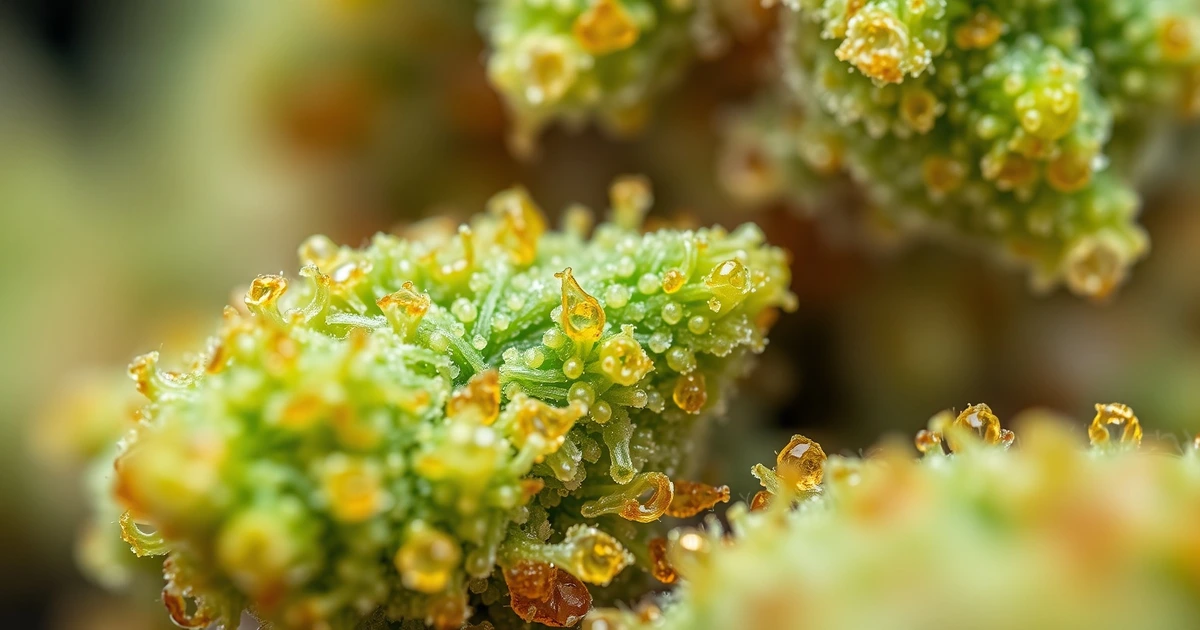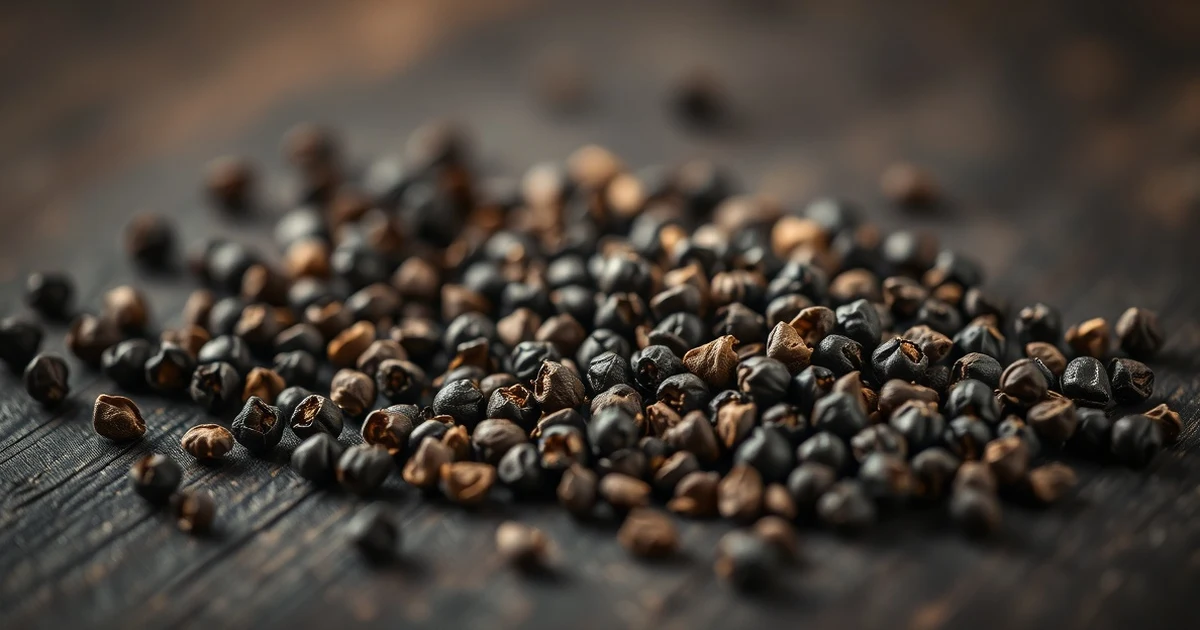
Caryophyllene is the only terpene known to directly interact with the endocannabinoid system — specifically as a CB2 receptor agonist. This makes it simultaneously a terpene and a dietary cannabinoid, giving it a unique place in cannabis science. The spicy, peppery bite in black pepper, cloves, and certain cannabis strains? That's caryophyllene.
What Is Caryophyllene?
Beta-caryophyllene (β-caryophyllene, or BCP) is a sesquiterpene — larger than most terpenes — found in many plants. It's unusual among terpenes because of its direct interaction with CB2 receptors (part of the endocannabinoid system), which is why some researchers classify it as a dietary cannabinoid rather than just a terpene.
Aroma: Spicy, peppery, woody, with hints of cloves and herbs. The peppery "bite" in black pepper, copal, and certain hoppy beers comes from caryophyllene.
Boiling point: 130°C (266°F) — one of the lowest among common terpenes, meaning it vaporization temperatureses at relatively low temperatures.

Caryophyllene Effects: What Research Suggests
CB2 Receptor Agonism: The Unique Property
The defining property of caryophyllene is its ability to bind to CB2 receptors — the endocannabinoid receptors primarily found in immune cells and peripheral tissues (as opposed to CB1 receptors, which are concentrated in the brain). A landmark 2008 study in PNAS (Gertsch et al.) confirmed this, making caryophyllene the first known dietary cannabinoid.
CB2 receptor activation doesn't produce psychoactive effects (that's CB1 territory), but is associated with:
- Anti-inflammatory responses
- Immune system modulation
- Pain relief (especially inflammatory pain)
- Neuroprotection
Anti-Inflammatory Properties
Caryophyllene's anti-inflammatory activity is among the most well-documented of any terpene. Multiple studies confirm it reduces levels of pro-inflammatory cytokines (TNF-α, IL-1β, IL-6). This works through both CB2 agonism and independent pathways, making it one of the most potent natural anti-inflammatory terpenes.
Analgesic (Pain-Relieving) Effects
Research published in European Journal of Pharmacology found caryophyllene significantly reduced pain in animal models, working through CB2 receptors and possibly opioid pathways. Particularly effective for inflammatory pain — chronic joint and tissue pain that responds to anti-inflammatory treatment.
Anxiolytic and Antidepressant Potential
A 2014 study found caryophyllene reduced anxiety and depression-like behaviors in mice through CB2 receptor modulation. Research suggests caryophyllene may offer mood support without psychoactive effects — making it relevant for medical cannabis patients who want anti-anxiety benefits without high-THC intoxication.
Neuroprotective Effects
Emerging research suggests caryophyllene may protect neurons from oxidative stress and inflammation. Studies in neuroinflammation models show promising results for conditions involving neurodegeneration — though much more research is needed.
Alcohol Craving Reduction
A 2014 study found caryophyllene reduced alcohol intake in mice through CB2 receptor mechanisms. This is a preliminary finding but opens interesting questions about cannabis compounds and addiction management.


The CB2 Connection: Why It Matters
Most terpenes affect cannabis effects indirectly — influencing mood, receptor sensitivity, or blood-brain barrier permeability. Caryophyllene is different: it directly activates CB2 receptors, producing genuine endocannabinoid system effects without binding to CB1 (no psychoactivity).
Practical implications:
- Non-psychoactive anti-inflammatory: Can provide CB2-mediated benefits without getting high
- Dietary source: Black pepper, cloves, and rosemary provide meaningful caryophyllene — a genuine food-based endocannabinoid system interaction
- Entourage effect amplifier: In cannabis, caryophyllene works synergistically with CBD (which also has CB2 activity) and THC
Best Cannabis Strains High in Caryophyllene
| Strain | Type | Caryophyllene Level | Typical Effect Profile |
|---|---|---|---|
| Girl Scout Cookies (GSC) | Hybrid | Very high (often #1) | Euphoric, relaxing, body relief |
| Sour Diesel | Sativa-dominant | High | Energetic, uplifting, pain relief |
| Bubba Kush | Indica | High | Heavy body, sedating, relaxing |
| Original Glue (GG4) | Hybrid | Very high | Heavy relaxation, body high |
| Purple Punch | Indica | High | Sweet, relaxing, cannabis for sleep |
| Master Kush | Indica | High | Classic kush body effect |
Caryophyllene in Everyday Foods and Spices
Caryophyllene is found in many common foods — meaning you regularly consume a dietary CB2 agonist:
- Black pepper: Up to 35% of the essential oil is caryophyllene — the most concentrated everyday source
- Cloves: Very high high-caryophyllene strains; used in traditional medicine for pain and anti-inflammatory purposes for centuries
- Rosemary: Contains notable caryophyllene alongside pinene and camphor
- Cinnamon: Cinnamon bark essential oil contains significant caryophyllene
- Hops: Contributes to the spicy character of certain hop varieties
- Oregano: Mediterranean herb with notable caryophyllene
The Black Pepper Anxiety Trick
There's a folk remedy in cannabis culture: if you're too high and experiencing anxiety, sniff or chew black peppercorns. Does it work?
The theory: high-caryophyllene foods may counteract THC-induced anxiety via CB2 agonism, potentially modulating the stress response. Neil Young famously recommended it in an interview.
The science: limited, but plausible. CB2 receptors modulate the stress and immune response. Anecdotally, many users report it helps. Worst case, you smelled some pepper. Worth trying in an uncomfortable situation.

Vaporizing Caryophyllene: Temperature Notes
With a terpene boiling point chart of only 130°C (266°F), caryophyllene is one of the first terpenes to vaporize:
- Optimal temp: 125–140°C preserves caryophyllene best; it's accessible even at low-temp sessions
- Low-temp vaping benefit: Starting vaporizer sessions at 130–140°C extracts caryophyllene before moving to higher temps for other cannabinoids
- Degradation: Unlike some terpenes, caryophyllene is relatively stable with storage and doesn't degrade as quickly as beta-myrcene terpene or pinene
Caryophyllene vs. Other Cannabis Terpenes
| Terpene | Aroma | Unique Property | Best For |
|---|---|---|---|
| Caryophyllene | Spicy, pepper, woody | CB2 agonist (only terpene) | Inflammation, pain, anxiety |
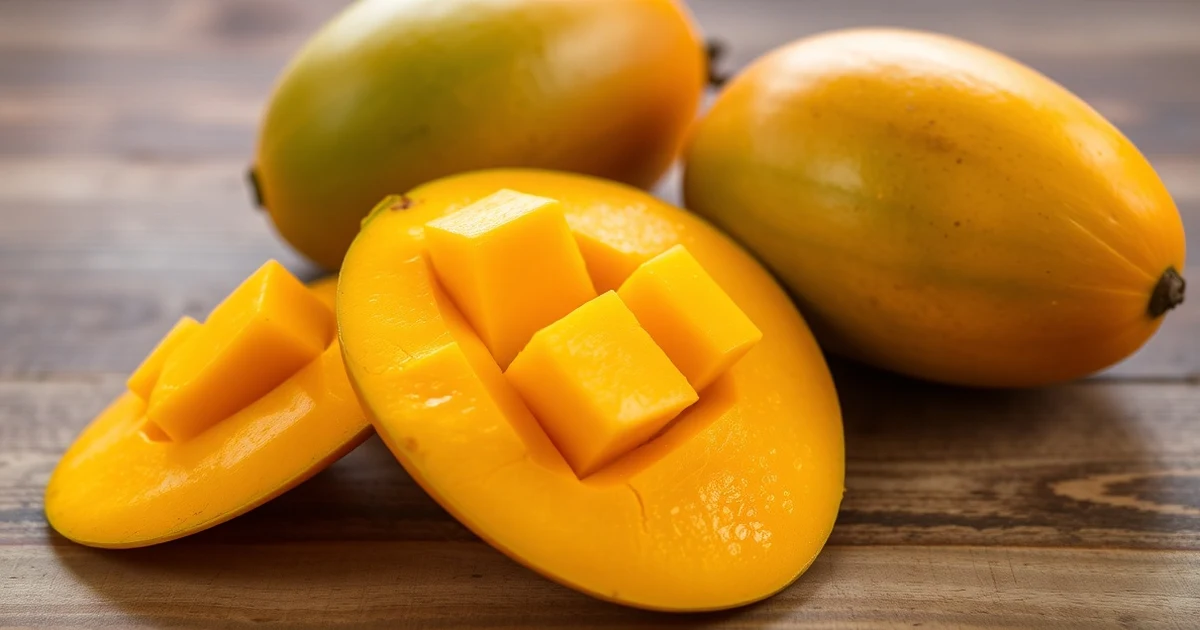
| Myrcene | Earthy, mango | Sedating, potentiates THC | Sleep, pain, sedation |
| linalool | Floral, lavender | GABA modulation | Anxiety, sleep |
| limonene terpene | Citrus | Uplifting, mood elevation | Daytime, mood |
| Pinene | Pine, rosemary | AChE inhibitor (memory) | Focus, clarity |
Key Takeaways
- Caryophyllene is the only terpene that directly activates CB2 receptors — making it a dietary cannabinoid
- CB2 agonism produces anti-inflammatory, analgesic, and potentially anxiolytic effects without psychoactivity
- Best strains: Girl Scout Cookies, Original Glue, Sour Diesel
- Boiling point 130°C — vaporizes at lower temperatures than most terpenes
- Black pepper trick: sniffing/chewing black pepper may reduce THC-induced anxiety via CB2 activation
- Regular dietary sources: black pepper, cloves, rosemary, cinnamon
Related Articles
Frequently Asked Questions

Written by
The Green Treasure Editorial Team
Independent cannabis journalism backed by science. We cover terpenes, vaporizers, edibles, growing and health.
Stay in the green loop
Expert guides, terpene science, growing tips, and gear reviews — delivered to your inbox. No spam, ever.
No spam. Unsubscribe anytime.