Cannabis Terpene Effects and Benefits

Terpene Effects: How Terpenes in Cannabis Actually Work

Discover how terpenes shape the cannabis experience. Learn about the entourage effect, how terpenes interact with cannabinoids, and why they matter for choosing the right strain.

By The Green Treasure14 min read

What Are Terpenes?

What Are Terpenes?

Terpenes are aromatic compounds found in nearly all plants — from lavender to citrus fruits to cannabis. They are responsible for the characteristic smell and taste that we associate with certain plants. When you smell an orange, you are perceiving limonene. The calming scent of lavender comes from linalool. And the fresh smell of a pine forest? That is pinene.

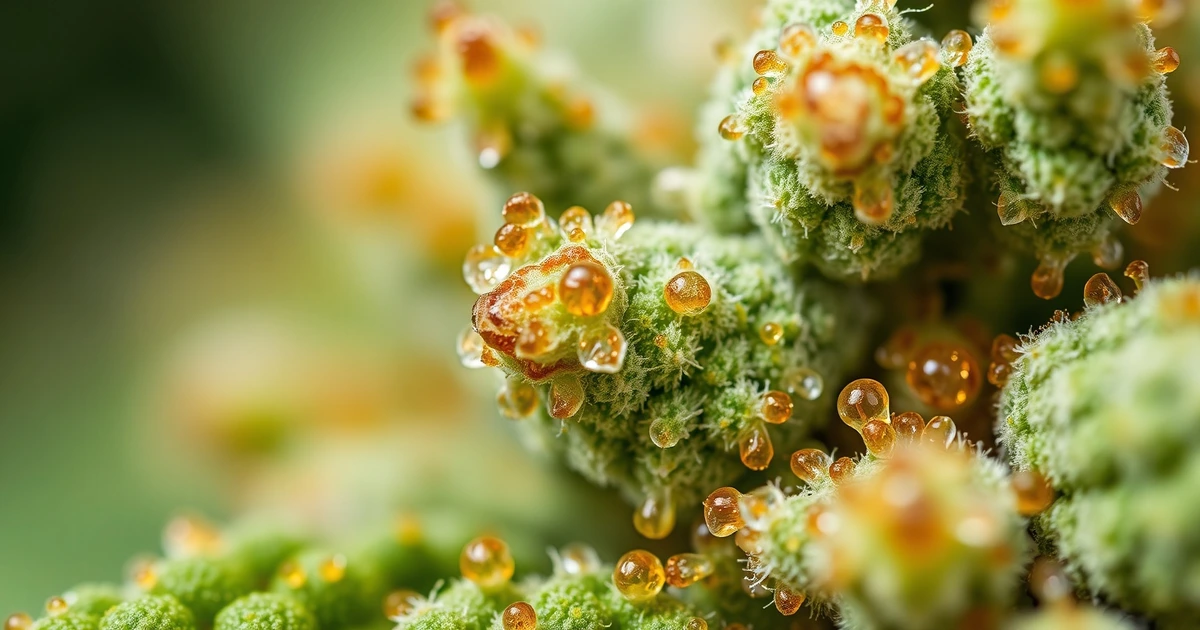
Over 200 different terpenes have been identified in the cannabis plant so far. They are produced in the same glands as cannabinoids — the so-called trichomes. These tiny, resinous structures on the flowers contain a complex mixture of THC, CBD, and those very terpenes that together create the unique profile of each cannabis strain.

But terpenes are far more than just aromatic compounds. The effects of terpenes on the human body are the subject of intensive scientific research. Studies show that these compounds possess independent therapeutic properties and can significantly influence the effects of cannabinoids.

From a chemical perspective, terpenes are hydrocarbons built from isoprene units (C₅H₈). They are classified into monoterpenes (two isoprene units), sesquiterpenes (three units), and diterpenes (four units). Most terpenes found in cannabis are mono- or sesquiterpenes — small, volatile molecules that evaporate easily and release their aroma.

In nature, terpenes serve as a defense mechanism for plants. They repel predators, attract pollinating insects, and protect against UV radiation and fungal infections. These evolutionary functions have led terpenes to develop a remarkable variety of biological activities — properties that humans have been utilizing in herbal medicine for thousands of years.

How Do Terpenes Work? The Entourage Effect

How Do Terpenes Work? The Entourage Effect

The question of how terpenes work leads us to one of the most fascinating concepts in cannabis science: the entourage effect. This term was coined in 1998 by Israeli scientists Raphael Mechoulam and Shimon Ben-Shabat and describes the synergistic interplay of all the constituents of the cannabis plant.

The entourage effect states that terpenes, cannabinoids, and flavonoids together produce a stronger and more nuanced effect than any single substance on its own. Terpenes can influence the uptake of cannabinoids through the blood-brain barrier, modulate binding affinity to cannabinoid receptors, and contribute their own therapeutic effects.

An illustrative example: myrcene, the most common terpene in cannabis, can increase the permeability of cell membranes. This allows cannabinoids like THC to reach the brain faster and in greater quantities. This explains why strains with high myrcene content often have a particularly intense effect.

Terpenes also interact directly with various receptor systems in the body. They can bind to serotonin receptors (5-HT), GABA receptors, TRP channels (Transient Receptor Potential), and even cannabinoid receptors (CB1 and CB2). These diverse interactions explain the broad range of effects that terpenes have on body and mind.

A study by Russo (2011) in the British Journal of Pharmacology showed, for example, that linalool and limonene in combination with CBD can enhance anxiolytic (anxiety-reducing) effects. Caryophyllene, in turn, binds directly to the CB2 receptor and has anti-inflammatory properties — it is the only known terpene that acts as a functional cannabinoid agonist.

For a complete overview of all cannabis terpenes with their boiling points and aromas, we recommend our comprehensive Terpene Chart.

Sponsored Sponsored — Nordkraut

The Most Important Terpenes and Their Effects

The Most Important Terpenes and Their Effects

Cannabis contains dozens of different terpenes, but a handful dominate the profile of most strains. Here are the five most important terpenes and their specific effects in detail.

Myrcene — The Relaxing Terpene

Myrcene is the most abundant terpene in cannabis and accounts for up to 50% of the total terpene profile in many strains. It is also found in mangoes, hops, thyme, and lemongrass and has an earthy, musky scent with slightly fruity notes.

Effects of Myrcene:

  • Sedating and muscle-relaxing: Myrcene has proven sedative properties. A study in the Journal of Ethnopharmacology showed that myrcene significantly prolonged sleep duration in mice. It relaxes muscles and promotes restful, deep sleep.
  • Pain-relieving: Myrcene acts as an analgesic by stimulating the release of endorphins and modulating pain perception through the afferent nervous system.
  • Anti-inflammatory: Studies show that myrcene inhibits the production of prostaglandin E2, an important inflammatory mediator in the body.
  • Membrane permeability: Myrcene increases the permeability of the blood-brain barrier and can thus enhance the uptake and effects of THC and CBD.

Strains with high myrcene content include OG Kush, Blue Dream, Granddaddy Purple, and Mango Kush. They are often described as "indica-typical" and are particularly suited for evening use.

Limonene — The Mood-Elevating Terpene

Limonene is the second most common terpene in cannabis and responsible for the characteristic citrus scent of many strains. It is found in large quantities in lemon, orange, and grapefruit peels. Learn more about the diverse properties of this terpene in our article on limonene and its effects.

Effects of Limonene:

  • Mood-elevating and antidepressant: Limonene has been shown to increase serotonin and dopamine levels in certain brain regions. Japanese studies demonstrated that inhaling limonene vapors significantly reduced depressive symptoms.
  • Stress-relieving: The terpene activates the parasympathetic nervous system and lowers cortisol levels, leading to noticeable stress reduction.
  • Antibacterial and antifungal: Limonene exhibits strong antimicrobial properties against various pathogenic bacteria and fungi.
  • Improved bioavailability: Limonene enhances the absorption of other terpenes and cannabinoids through skin and mucous membranes, making it an ideal component in topical cannabis products.

Strains high in limonene include Super Lemon Haze, Durban Poison, Wedding Cake, and Jack Herer. They are often described as energizing and creativity-enhancing.

Linalool — The Calming Terpene

Linalool is the terpene that gives lavender its unmistakable scent. It is also found in birch, rosewood, and coriander. In cannabis, linalool is present in moderate amounts, yet its effects are remarkable.

Effects of Linalool:

  • Anxiolytic (anxiety-reducing): Linalool interacts with the GABAergic system and acts similarly to mild benzodiazepines — but without their addictive potential. Studies showed a significant reduction in anxiety symptoms upon inhalation of linalool vapors.
  • Sleep-promoting: Through its calming properties, linalool supports the natural sleep cycle. It extends the REM sleep phase and improves subjective sleep quality.
  • Anticonvulsant: Linalool demonstrates antiepileptic properties in animal models and can raise the threshold for seizures.
  • Pain-modulating: The terpene activates glutamatergic mechanisms of pain modulation and acts on adenosinergic A1 and A2A receptors.

Cannabis strains with high linalool content include Amnesia Haze, Lavender, LA Confidential, and Do-Si-Dos. They are particularly suited for stress, anxiety disorders, and sleep problems.

Caryophyllene — The Anti-Inflammatory Terpene

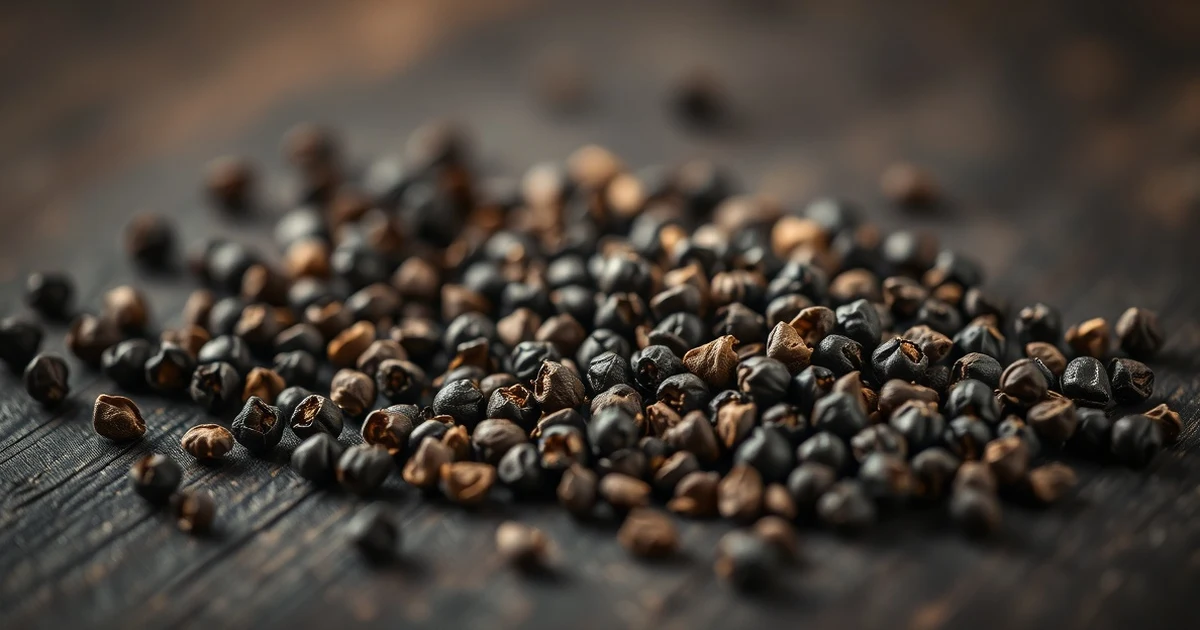
Beta-caryophyllene is a sesquiterpene with a spicy, peppery aroma. It is found abundantly in black pepper, cloves, oregano, and cinnamon. What makes caryophyllene special: it is the only known terpene that binds directly to cannabinoid receptors.

Effects of Caryophyllene:

  • Anti-inflammatory: Caryophyllene binds as a selective agonist to the CB2 receptor, which is primarily found in the immune system. This reduces inflammatory processes at the cellular level — without psychoactive side effects, since the CB2 receptor does not dominate in the brain.
  • Gastroprotective: Studies show that caryophyllene protects the gastric lining and can promote the healing of stomach ulcers.
  • Neuroprotective: Through the CB2 receptor, caryophyllene can reduce neuroinflammatory processes, making it an interesting candidate for research into neurodegenerative diseases.
  • Pain-relieving: CB2 receptor activation by caryophyllene can alleviate neuropathic pain, as confirmed by several preclinical studies.

Strains high in caryophyllene include GSC (Girl Scout Cookies), Bubba Kush, Sour Diesel, and Chemdog. Notably, the EU has approved caryophyllene as a food additive — a testament to its excellent safety profile.

Pinene — The Focus-Enhancing Terpene

Alpha-pinene is the most widely distributed terpene in all of nature. It dominates the scent of pine trees, rosemary, basil, and eucalyptus. In cannabis, it often appears alongside beta-pinene and gives certain strains a fresh, woody note.

Effects of Pinene:

  • Focus-enhancing: Pinene inhibits the enzyme acetylcholinesterase, which breaks down the neurotransmitter acetylcholine. Through higher acetylcholine levels in the brain, pinene improves cognitive performance, attention, and memory formation.
  • Bronchodilatory: Pinene opens the bronchial passages and improves airflow in the lungs — a property that can be particularly useful when vaporizing cannabis.
  • Anti-inflammatory: Pinene reduces the expression of pro-inflammatory cytokines such as TNF-alpha and interleukin-6.
  • THC counterbalance: Interestingly, pinene can mitigate some unwanted effects of THC, particularly short-term memory loss. This occurs through the inhibition of acetylcholinesterase.

Strains with high pinene content include Jack Herer, Blue Dream, Strawberry Cough, and Dutch Treat. They are particularly suited for daytime use when clarity and focus are desired.

Terpene Effects on the Body — What Does Science Say?

Terpene Effects on the Body — What Does Science Say?

Scientific research into terpene effects has increased enormously in recent years. Here is an overview of the most important findings from clinical and preclinical studies.

Interaction with the Endocannabinoid System

The endocannabinoid system (ECS) consists of two main receptors: CB1 (predominantly in the central nervous system) and CB2 (predominantly in the immune system). While cannabinoids like THC and CBD bind directly or indirectly to these receptors, terpenes modulate their activity in various ways:

  • Caryophyllene binds directly as an agonist to the CB2 receptor
  • Myrcene and limonene influence the allosteric modulation of CB1 receptors
  • Linalool and pinene act through non-cannabinoid receptor systems (GABA, glutamate, serotonin)

Neuropsychiatric Effects

A groundbreaking review by Russo (2011) documented how terpenes can work in psychiatric conditions. The combination of limonene and linalool showed anxiolytic and antidepressant effects in studies. Myrcene supported the sedative effect of THC, while pinene counteracted THC-induced memory loss.

Anti-Inflammatory and Analgesic Properties

A study published in 2021 by the University of Arizona examined the analgesic properties of cannabis terpenes in mice. The results were remarkable: individual terpenes like linalool and geraniol showed pain-relieving effects on their own. However, when combined with each other and with cannabinoids, these effects were significantly enhanced — clear evidence for the entourage effect at a pharmacological level.

Antimicrobial Effects

Terpenes are potent natural antimicrobials. Terpinolene, limonene, and alpha-pinene show strong in vitro activity against various bacterial strains, including MRSA (methicillin-resistant Staphylococcus aureus). This property makes them interesting candidates for the development of new antibiotics — particularly in times of increasing antibiotic resistance.

Antioxidant Properties

Many cannabis terpenes are powerful antioxidants. They neutralize free radicals and protect cells from oxidative stress. Myrcene, limonene, and terpinolene in particular show pronounced antioxidant capacities. This could play a role in the prevention of cellular aging and various chronic diseases.

Terpenes: Vaporizing vs. Smoking

Terpenes: Vaporizing vs. Smoking

The way cannabis is consumed has an enormous impact on which terpenes are absorbed and how they work. This is where one of the greatest advantages of vaporizing over smoking lies.

The Problem with Smoking

When cannabis is burned, temperatures exceed 800°C. At these temperatures, most terpenes are destroyed — they literally combust before they can be inhaled. Instead, combustion produces harmful byproducts such as tar, carbon monoxide, and polycyclic aromatic hydrocarbons (PAHs).

The Advantage of Vaporizing

When vaporizing, cannabis flowers are heated in a controlled manner to temperatures between 160°C and 220°C — well below the combustion point. Each terpene has its own boiling point, and through the precise temperature control of modern vaporizers, you can selectively release specific terpenes:

  • Alpha-Pinene: Boiling point 155°C — available even at low temperatures
  • Myrcene: Boiling point 168°C — vaporizes at medium temperature
  • Limonene: Boiling point 176°C — requires slightly more heat
  • Linalool: Boiling point 198°C — medium to high temperature range
  • Caryophyllene: Boiling point 130°C — one of the first terpenes to vaporize

High-quality dry herb vaporizers such as those from Norddampf allow degree-precise temperature control, so you can systematically unlock the full terpene spectrum of your flowers. Start at low temperatures (around 170°C) for light, terpene-rich vapor clouds and gradually increase to release the heavier-boiling compounds as well.

Studies on Vaporizing and Terpenes

A study by Hazekamp et al. (2006) compared the chemical composition of cannabis vapor with cannabis smoke. The result: the vapor contained significantly more terpenes and cannabinoids while containing significantly fewer harmful substances. The ratio of desired active compounds to harmful substances was eight times better when vaporizing compared to smoking.

Sponsored
In-Article Banner — 728 x 90

Terpenes in Aromatherapy

Terpenes in Aromatherapy

The therapeutic use of terpenes is nothing new. Aromatherapy — the use of essential oils for healing purposes — has been based on the effects of terpenes for centuries. What modern cannabis science now confirms, practitioners of herbal medicine have long known intuitively.

Traditional Applications

Lavender oil (rich in linalool) has been used since antiquity for calming and sleep issues. Peppermint oil (menthol, a monoterpene alcohol) is used for pain relief and respiratory clearance. Eucalyptus oil (1,8-cineole) is used for colds and respiratory conditions. Tea tree oil (terpinen-4-ol) is known for its antimicrobial properties.

Cannabis Terpenes in Modern Aromatherapy

The realization that cannabis terpenes are identical to the terpenes in essential oils opens up exciting possibilities. A cannabis extract with high linalool content has a similarly calming effect as lavender oil — but additionally offers the synergistic effect of cannabinoids.

Many wellness facilities today offer terpene blends that mimic specific cannabis terpene profiles — without THC, but with the aromatherapeutic benefits of terpenes. These products are legal and offer an accessible way to experience the effects of terpenes.

Scientific Evidence

A 2022 meta-analysis in the Journal of Clinical Medicine examined 67 studies on the effects of inhaled linalool and limonene. The results confirmed significant anxiolytic and mood-elevating effects of both terpenes. Particularly noteworthy: the effects occurred within just minutes of inhalation, indicating rapid absorption through the lungs and direct action on the central nervous system.

Terpenes and the Entourage Effect in Detail

Terpenes and the Entourage Effect in Detail

The entourage effect is more than just a buzzword — it is a scientifically substantiated concept that is revolutionizing cannabis medicine. Here we examine the mechanisms in detail.

Synergies Between Terpenes and THC

THC alone produces a psychoactive experience that can vary greatly from person to person. Terpenes modulate this experience in numerous ways:

  • Myrcene + THC: Enhances the sedative effect and promotes the "couch-lock" effect. Strains with high myrcene and THC are perceived as a typical indica experience.
  • Limonene + THC: Elevates mood and gives the experience a euphoric, energetic quality. Typical of sativa-dominant strains.
  • Pinene + THC: Pinene can mitigate THC-induced short-term memory loss and promotes clear, focused thinking.
  • Linalool + THC: Reduces the anxiety-inducing component of THC and makes the overall experience gentler and more calming.

Synergies Between Terpenes and CBD

CBD products also benefit enormously from the entourage effect:

  • Caryophyllene + CBD: Both have anti-inflammatory effects but through different mechanisms. Together they offer more comprehensive anti-inflammatory protection.
  • Linalool + CBD: The anxiolytic properties of both substances complement each other synergistically. Products with this combination are particularly suited for anxiety disorders.
  • Limonene + CBD: Limonene improves the bioavailability of CBD and enhances its antidepressant effects.

Why Full-Spectrum Products Are Superior

These findings explain why full-spectrum cannabis extracts (containing all natural terpenes and cannabinoids) are often more effective in clinical studies than isolated THC or CBD. A study published in 2015 by the Hebrew University Jerusalem showed that full-spectrum CBD extract breaks through the bell-shaped dose-response curve observed with isolated CBD — clear evidence for the superiority of the natural whole-plant extract.

Practical Tips: Using Terpenes in Daily Life

Practical Tips: Using Terpenes in Daily Life

How can you practically apply your knowledge about terpene effects? Here are some recommendations:

Choose Terpene Profile Over THC Content

When purchasing cannabis, THC or CBD content alone should not be the deciding factor. Pay attention to the terpene profile — it significantly determines how the effects will manifest. Ask at the pharmacy or dispensary for the terpene analysis certificate.

Proper Storage for Terpene Preservation

Terpenes are volatile compounds. To preserve them, store your cannabis:

  • Cool and dark (15-21°C)
  • In airtight glass containers
  • Away from direct sunlight
  • At a relative humidity of 55-62%

Temperature Control When Vaporizing

Use the different boiling points of terpenes to your advantage:

  • 160-180°C: Light, terpene-rich session — ideal for flavor and mild effects
  • 180-200°C: Balanced profile — a good compromise between terpene release and cannabinoid activation
  • 200-220°C: Intense effects — maximum cannabinoid release, but some lighter terpenes are lost

Terpenes in Cooking

Terpenes also play a role when preparing cannabis edibles. With the classic cannabutter recipe, unfortunately many terpenes are lost through the heat during decarboxylation and cooking. Some manufacturers therefore add terpene concentrates after the cooking process to ensure the entourage effect in edibles as well.

SponsoredSponsored — Nordkraut

Frequently Asked Questions (FAQ)

Terpene effects refer to the diverse impacts that terpenes have on the human body and mind. Terpenes can be relaxing, mood-elevating, anti-inflammatory, pain-relieving, or focus-enhancing — depending on the type and composition. In cannabis, they additionally enhance the effects of cannabinoids like THC and CBD through the so-called entourage effect.

Terpenes are considered very safe. Many of them are approved as food additives (e.g., limonene and caryophyllene). In high concentrations, individual terpenes can cause skin or mucous membrane irritation. When inhaled through a vaporizer or consumed via edibles, allergic reactions are extremely rare. Pregnant and breastfeeding individuals should nonetheless exercise caution and seek medical advice.

Myrcene and linalool are considered the best terpenes for sleep. Myrcene has sedating and muscle-relaxing properties, while linalool (known from lavender) has calming and anxiety-reducing effects. Cannabis strains with high levels of both terpenes, such as Granddaddy Purple or Lavender, are frequently recommended for sleep issues.

Professional laboratory analysis offers the most accurate method for determining the terpene profile. In countries with regulated cannabis markets, these analyses are performed as standard and listed on the product label. As a consumer, you can also rely on smell and taste: citrus aromas indicate limonene, earthy notes suggest myrcene, floral scents point to linalool, and peppery aromas indicate caryophyllene.

Yes, absolutely. Terpenes are found in all plants and form the basis of essential oils. You can use terpenes through aromatherapy (diffusers), essential oils, terpene-rich foods (mangoes, pepper, citrus fruits, lavender), or isolated terpene products. However, without cannabinoids, the entourage effect is absent, so the effects will differ from those of cannabis products.

Terpenes are pure hydrocarbons, while terpenoids are chemically modified terpenes — they contain additional functional groups such as oxygen. In practice, both terms are often used interchangeably. Technically, many of the "terpenes" in dried cannabis are actually terpenoids, as the drying process causes chemical changes. For therapeutic purposes, however, this distinction is usually irrelevant.

Each terpene has a specific boiling point. Low temperatures (160-180°C) primarily release light terpenes like pinene and myrcene, producing a clear, mild experience. Higher temperatures (180-220°C) additionally activate heavier-boiling terpenes and more cannabinoids, leading to a more intense overall effect. Temperatures above 230°C should be avoided, as combustion byproducts can form at that point.

Share this article

The Green Treasure Editorial Team

Written by

The Green Treasure Editorial Team

Independent cannabis journalism backed by science. We cover terpenes, vaporizers, edibles, growing and health.

About Us|
Follow us soon

Related Articles