If you have ever walked through a lavender field or caught the floral sweetness of fresh basil, you have already experienced linalool — one of the most widespread and therapeutically promising terpenes in nature. Found abundantly in over 200 plant species, linalool is a monoterpene alcohol that plays a starring role in the aromatic profiles of many cannabis strains. But its appeal goes far beyond scent. Emerging research suggests that linalool effects on the human body range from calming Lancet cannabis anxiety study and promoting sleep to fighting inflammation and even offering neuroprotective benefits.
In this comprehensive guide, we explore everything science has revealed about linalool: how it works in the body, which cannabis strains contain the most, how it compares to other terpenes, and how you can maximize its therapeutic potential. Whether you are a medical patient, a curious consumer, or a terpene enthusiast, understanding linalool can fundamentally change how you select and enjoy cannabis.
What Is Linalool?
\\n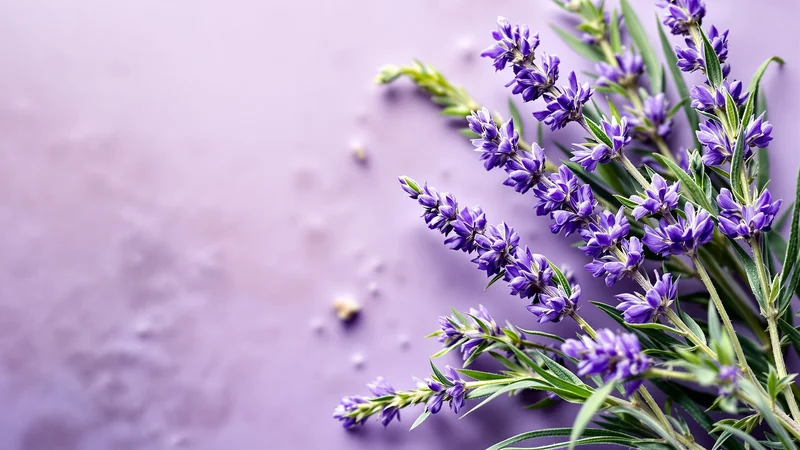 \\n
\\n Linalool (pronounced lih-NAL-oh-ol) is a naturally occurring monoterpene alcohol with the molecular formula C₁₀H₁₈O. It exists in two enantiomeric forms: (R)-(-)-linalool, which is predominant in lavender and gives the classic floral aroma, and (S)-(+)-linalool, found more commonly in coriander and sweet basil with a slightly spicier, woodier scent.
Where Is Linalool Found?
While cannabis enthusiasts might associate linalool primarily with their favorite strains, this terpene is remarkably ubiquitous across the plant kingdom:
- Lavender — The classic source, containing up to 25-38% linalool in its essential oil. Lavender has been used for centuries in traditional medicine for relaxation and sleep.
- Cannabis — Select strains contain linalool as a secondary or even primary terpene, typically at concentrations of 0.1-1.5% of the terpene profile.
- Coriander — Both the leaves (cilantro) and germinating cannabis seeds contain significant linalool, especially the seeds where it can comprise up to 60-70% of the essential oil.
- Sweet basil — Certain chemotypes of basil are linalool-dominant, contributing to its sweet, slightly peppery aroma.
- Birch bark, rosewood, and citrus fruits — These sources contribute to the estimated 2,000-6,000 metric tons of linalool consumed annually in personal care products and food flavoring worldwide.
The FDA classifies linalool as Generally Recognized As Safe (GRAS), and the average daily dietary intake from food sources is estimated at approximately 2 milligrams per day. This long history of safe human consumption provides a strong foundation for investigating its therapeutic applications in cannabis contexts.
Linalool's Aroma Profile
Linalool delivers a complex aromatic experience that combines floral, sweet, and subtly spicy notes. In cannabis, it contributes to what many users describe as a "lavender-like" or "spa-like" quality. Strains rich in linalool often carry undertones of citrus and a hint of woody warmth, making them particularly appealing to those who favor smooth, aromatic flower. If you are building your knowledge of cannabis aromatics, our complete terpene chart offers a comprehensive overview of how linalool compares to other major terpenes.
Linalool Effects on the Body
\\n \\n
\\n The therapeutic potential of linalool is extensive and increasingly well-documented. Unlike many wellness claims in the cannabis space, linalool effects have been studied in numerous peer-reviewed settings, producing a body of evidence that is both compelling and growing.

Anti-Anxiety and Stress Relief
Perhaps the most well-known linalool effect is its ability to reduce anxiety. This is not merely anecdotal — multiple controlled studies have confirmed anxiolytic properties:
- A 2018 study published in Frontiers in Behavioral Neuroscience demonstrated that linalool odor exposure reduced anxiety-related behaviors in mice without impairing motor function, suggesting it could provide calming effects without the sedation associated with benzodiazepines.
- Research by Linck et al. (2010) found that inhaled linalool significantly increased social interaction time and decreased aggressive behavior in animal models, indicators of anxiolytic activity.
- Human clinical trials involving lavender essential oil (high in linalool) have shown measurable reductions in anxiety scores, with some studies suggesting efficacy comparable to low-dose lorazepam.
The anxiolytic mechanism appears to involve modulation of the GABAergic system — the same neurotransmitter pathway targeted by drugs like Valium and Xanax, but through a gentler, more nuanced mechanism.
Sedative and Sleep-Promoting Properties
Linalool's reputation as a sleep aid is deeply rooted in both traditional medicine and modern science. The terpene appears to promote sleep through multiple pathways:
- GABA receptor modulation — Linalool enhances GABAergic transmission, promoting neuronal inhibition and the calm state necessary for sleep onset.
- Autonomic nervous system effects — Studies show linalool inhalation can decrease sympathetic nerve activity (the "fight or flight" response) by 20-30%, while increasing parasympathetic activity.
- Heart rate and blood pressure reduction — Research published in the Journal of Agricultural and Food Chemistry documented dose-dependent decreases in heart rate following linalool exposure, facilitating the physiological conditions favorable for sleep.
These findings align with the traditional use of lavender sachets under pillows — a practice now supported by scientific evidence showing measurable improvements in sleep quality.
Anti-Inflammatory Action
Chronic inflammation underlies many modern diseases, from arthritis to cardiovascular disease. Linalool has demonstrated significant anti-inflammatory properties across multiple studies:
- A study in the Journal of Surgical Research found that linalool reduced edema (swelling) by up to 73% in carrageenan-induced inflammation models.
- Research has shown linalool inhibits the production of pro-inflammatory cytokines including TNF-α, IL-1β, and IL-6 — key mediators of the inflammatory cascade.
- In models of lung inflammation, linalool reduced inflammatory cell infiltration and mucus production, suggesting potential applications for respiratory conditions.
Analgesic (Pain-Relieving) Effects
Linalool's pain-relieving properties may operate through multiple mechanisms. Research has identified that it can:
- Reduce glutamate-induced pain signaling in the spinal cord
- Activate opioid and cholinergic pathways involved in pain modulation
- Decrease the production of nitric oxide in pain-processing regions
- Enhance the analgesic effects of morphine-class drugs, potentially allowing lower doses
A 2003 study by Peana et al. demonstrated that linalool produced significant dose-dependent analgesic effects in multiple pain models, with mechanisms distinct from both NSAIDs and opioids.
Anticonvulsant Properties
Epilepsy researchers have noted linalool's ability to modulate neural excitability. Studies have shown it can delay the onset of seizures and reduce their severity, likely through the same GABAergic mechanisms responsible for its anti-anxiety effects. While linalool alone is not a replacement for anti-epileptic medications, it may contribute to the anticonvulsant properties observed in certain cannabis chemovars.

The Science Behind Linalool
\\n \\n
\\n Understanding how linalool produces its effects requires diving into its molecular interactions with biological systems. The research reveals a terpene that operates through remarkably diverse mechanisms.
Mechanism of Action: Receptors and Pathways
Linalool interacts with the body through several key pathways:
GABAergic System: Linalool acts as a positive allosteric modulator of GABA-A receptors, meaning it enhances the effect of GABA (the brain's primary inhibitory neurotransmitter) without directly activating the receptor. This is similar to how benzodiazepines work, but through a different binding site on the receptor, which may explain why linalool provides anxiolytic effects without the same degree of sedation or addiction potential.
Glutamate Receptors: Linalool competitively inhibits glutamate binding at NMDA receptors, reducing excitatory neurotransmission. This dual action — enhancing inhibition while reducing excitation — creates a powerful calming effect on the central nervous system.
Muscarinic Acetylcholine Receptors: Research has identified interactions between linalool and cholinergic pathways, which may contribute to both its pain-relieving and cognitive effects.
Adenosine A2A Receptors: Some studies suggest linalool may modulate adenosine signaling, which could contribute to its sedative properties through a mechanism similar to how adenosine buildup naturally promotes sleepiness.
The Entourage Effect and Linalool
One of the most significant aspects of linalool in cannabis is its participation in the entourage effect — the theory that cannabinoids and terpenes work synergistically to produce effects greater than any single compound alone.
Research suggests that linalool may enhance the effects of THC and CBD through several mechanisms:
- Cannabinoid potentiation: Linalool's action on GABA receptors may amplify the relaxing and anxiolytic effects of CBD, creating a more pronounced calming experience.
- Modulation of the blood-brain barrier: Some terpenes, including linalool, may influence the permeability of the blood-brain barrier, potentially affecting cannabinoid absorption rates.
- Complementary anti-inflammatory pathways: While cannabinoids reduce inflammation primarily through CB2 receptor activation, linalool operates through cytokine inhibition, providing overlapping but distinct anti-inflammatory coverage.
Neuroprotective Research
Perhaps the most exciting frontier in linalool research involves neuroprotection. A landmark 2016 study published in Neuropharmacology by Sabogal-Guáqueta et al. found that linalool reversed several hallmarks of Alzheimer's disease in transgenic mouse models:
- Reduced amyloid-beta plaques in the hippocampus and cortex
- Decreased neurofibrillary tangles (tau pathology)
- Improved learning and spatial memory performance
- Reduced neuroinflammation and oxidative stress markers
While these results are preliminary and in animal models, they suggest that linalool — and linalool-rich cannabis strains — may warrant further investigation for neurodegenerative conditions.
Antimicrobial and Antifungal Properties
Linalool has demonstrated broad-spectrum antimicrobial activity against several pathogens:
- Effective against Staphylococcus aureus, including some antibiotic-resistant strains (MRSA)
- Antifungal activity against Candida species
- Insecticidal properties that plants likely evolved as a natural defense mechanism
This antimicrobial profile adds another dimension to linalool's therapeutic portfolio and may partially explain why lavender preparations have been used historically for wound care.
Linalool in Cannabis Strains
\\n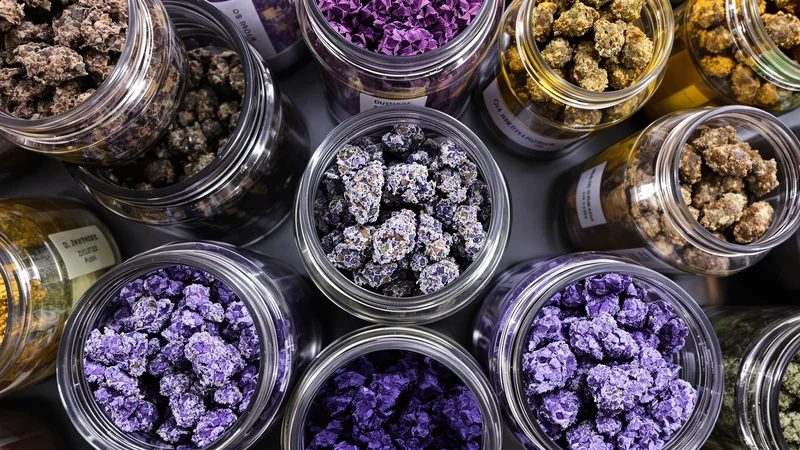 \\n
\\n Not all cannabis is created equal when it comes to terpene profiles. If you are specifically seeking linalool effects, knowing which strains to look for is essential.

High-Linalool Cannabis Strains
The following strains are known for their elevated linalool content:
- Lavender (Soma #10): Perhaps the most iconic linalool-rich strain, Lavender is an indica-dominant cultivar bred by Soma Seeds. Its name is no accident — the strain delivers a pronounced floral, lavender-like aroma with linalool concentrations that can exceed 1% of total terpenes. Effects are deeply relaxing, making it a popular choice for evening use and insomnia.
- Do-Si-Dos: This potent indica-dominant hybrid from Archive Seeds combines a sweet, minty profile with notable linalool presence. Known for producing full-body relaxation with cerebral euphoria.
- Amnesia Haze: Despite being a sativa-dominant strain, Amnesia Haze carries significant linalool alongside its dominant terpenes. The result is an uplifting yet balanced effect that avoids the racing thoughts sometimes associated with high-THC sativas.
- Zkittlez: This award-winning indica-dominant strain features a candy-like terpene profile where linalool contributes floral sweetness alongside dominant fruity terpenes.
- Granddaddy Purple (GDP): A classic indica known for its grape and berry aroma, GDP often contains appreciable linalool levels that contribute to its legendary body-relaxing, sleep-inducing effects.
- LA Confidential: This pure indica is prized for its pine-and-lavender aromatics and potent sedative effects, with linalool playing a key role in both the scent and the experience.
- Kosher Kush: Multiple Cannabis Cup winner Kosher Kush features earthy, sweet aromatics with measurable linalool content, delivering heavy relaxation and cannabis for pain relief.
- OG Shark: A descendant of OG Kush, this strain combines the classic OG profile with enhanced linalool content, resulting in a more calming, less stimulating experience than its parent.
How to Identify Linalool-Rich Cannabis
Beyond strain names, there are practical ways to identify linalool-dominant cannabis:
- Lab testing: The most reliable method. Look for terpene analysis on the Certificate of Analysis (COA). Linalool content above 0.5% is notable; above 1% is exceptional.
- Aroma assessment: Gently squeeze a bud and inhale. Linalool-rich cannabis will present a distinctly floral, lavender-like sweetness, sometimes with spicy or citrus undertones.
- Genetic lineage: Strains descended from Lavender, Purple, or Kush genetics more frequently contain elevated linalool levels.
Linalool vs Other Terpenes
\\n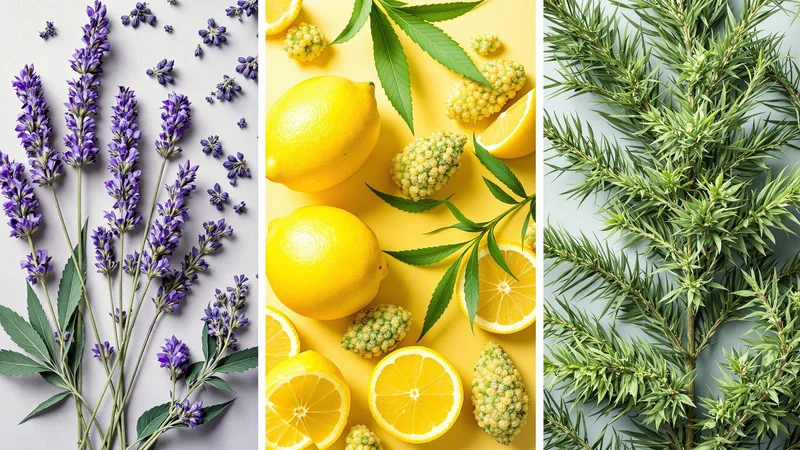 \\n
\\n Cannabis contains over 150 identified terpenes, each with its own therapeutic profile. Understanding how linalool compares to other major terpenes helps you make more informed choices about strain selection.
myrcene">Linalool vs Myrcene
Myrcene is the most abundant terpene in most cannabis strains, and both terpenes share sedative qualities, but they operate differently:
\\n \\n| Property | Linalool | Myrcene |
|---|---|---|
| Primary Aroma | Floral, lavender | Earthy, musky, herbal |
| Sedation Mechanism | GABA modulation | Muscle relaxation, opioid potentiation |
| Anti-Anxiety | Strong (clinical evidence) | Moderate (less direct evidence) |
| Anti-Inflammatory | Cytokine inhibition | PGE-2 inhibition |
| terpene boiling points guide | 198°C (388°F) | 168°C (334°F) |
| Average Abundance | Secondary terpene | Primary (most abundant) terpene |
When linalool and myrcene appear together in a strain — as they do in Granddaddy Purple and many Kush varieties — the combination creates a powerful sedative synergy that is particularly effective for insomnia and chronic pain.
Linalool vs Limonene
While linalool and limonene citrus terpene both influence mood, they do so in complementary rather than overlapping ways:
- Linalool calms and sedates, working primarily through GABA enhancement. It is the "wind down" terpene.
- Limonene elevates and energizes, primarily through serotonin modulation. It is the "mood boost" terpene.
Strains containing both terpenes in balance, such as some phenotypes of Amnesia Haze, can produce a uniquely balanced effect: mood elevation without anxiety, relaxation without excessive sedation. This terpene combination is particularly valued by medical patients dealing with depression co-occurring with anxiety.
spicy caryophyllene terpene">Linalool vs Beta-Caryophyllene
Beta-caryophyllene is unique among terpenes because it directly activates CB2 cannabinoid receptors. When combined with linalool:
- Anti-inflammatory effects may be amplified through dual-pathway activation
- Pain relief is enhanced as caryophyllene addresses nociceptive pain while linalool modulates central pain processing
- The combination may offer particularly strong benefits for autoimmune-related inflammation
How to Get More Linalool from Cannabis
\\n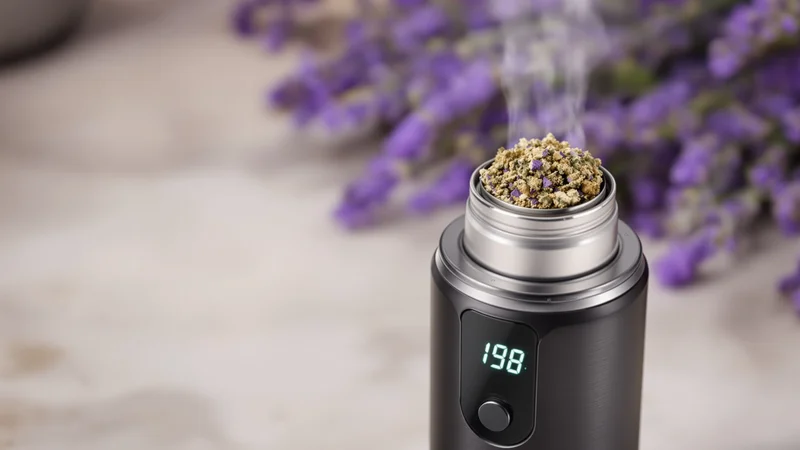 \\n
\\n Terpenes are volatile compounds, meaning they can be easily destroyed by heat, light, and oxidation. Maximizing linalool intake requires attention to both storage and consumption methods.

Optimal Vaporization Temperature
Linalool has a boiling point of approximately 198°C (388°F). This has important implications for consumption:
- Vaporizing at 190-210°C (374-410°F) is the ideal temperature range. This is high enough to release linalool effectively but low enough to avoid combustion and the creation of harmful byproducts.
- Combustion (smoking) at 600-900°C destroys the vast majority of linalool before it can be inhaled. Studies suggest that smoking delivers only a fraction of the terpene content compared to properly temperature-controlled vaporization.
- Low-temperature vaporizing below 180°C will miss much of the linalool content, as the terpene will not have reached its boiling point.
For those serious about terpene-focused consumption, using a quality dry herb vaporizer with precise temperature control is essential. Devices like the Norddampf vaporizers allow you to dial in the exact temperature needed to target specific terpenes while preserving the full spectrum of beneficial compounds. For more on how vaporization affects health outcomes, see our vaping health guide.
Step-Up Temperature Method
Advanced users employ a stepped temperature approach to experience the full terpene profile of their cannabis:
- Start at 170°C (338°F): Release lighter terpenes like pinene and myrcene for initial flavor.
- Move to 198°C (388°F): Activate linalool along with limonene and other mid-range terpenes.
- Finish at 210-220°C (410-428°F): Extract remaining cannabinoids and heavier terpenes like caryophyllene.
This method maximizes both the sensory experience and the therapeutic delivery of each terpene at its optimal release point.
Storage Tips for Preserving Linalool
Terpene degradation begins immediately after harvest and continues throughout storage. To preserve linalool content:
- Store in airtight containers — Glass jars with sealed lids are ideal. Avoid plastic, which can absorb terpenes.
- Keep away from light — UV radiation accelerates terpene oxidation. Use opaque containers or store in dark spaces.
- Maintain cool temperatures — Heat speeds terpene evaporation. Room temperature or slightly below (15-20°C / 59-68°F) is optimal. Avoid freezing, which can damage trichomes.
- Minimize air exposure — Each time you open a container, terpenes escape. Use appropriately sized containers to minimize headspace.
- Humidity control — Maintain 55-62% relative humidity using humidity packs. Too dry, and trichomes become brittle; too moist, and mold risk increases.
Other Consumption Methods for Linalool
Beyond vaporization, there are additional ways to benefit from linalool:
- Cannabis edibles: Linalool is somewhat heat-stable during cooking processes like making cannabutter, though some loss occurs. Cooking at lower temperatures for longer periods may help preserve more terpene content.
- Cannabis tinctures: Alcohol-based tinctures can retain terpenes effectively, especially when prepared with cold-extraction methods.
- Topical applications: Linalool's anti-inflammatory and analgesic properties make it particularly well-suited for topical products. Cannabis-infused balms and lotions containing linalool-rich strains may provide localized relief.
- Aromatherapy pairing: Using lavender essential oil alongside cannabis consumption can supplement the linalool content, potentially enhancing the entourage effect through exogenous terpene addition.
Linalool Benefits Beyond Cannabis
\\n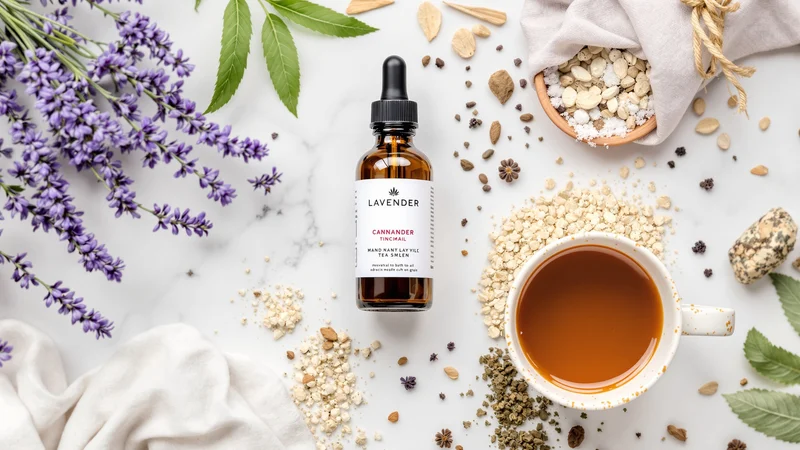 \\n
\\n While cannabis provides one vehicle for linalool delivery, the terpene's benefits extend across many applications and industries.
Aromatherapy and Essential Oils
Linalool is the primary active compound in lavender aromatherapy, which has been studied extensively:
- A systematic review of 11 clinical trials found that lavender essential oil (primarily linalool) significantly reduced anxiety when used in aromatherapy settings, particularly in pre-surgical and dental contexts.
- Hospital studies have shown that linalool-rich aromatherapy reduced the need for pain medication in post-operative patients by an average of 30%.
- Japanese researchers documented significant decreases in cortisol (the stress hormone) following 5-minute linalool inhalation sessions.
Pharmaceutical Applications
The pharmaceutical industry has taken notice of linalool's therapeutic potential:
- Silexan (Lasea): A standardized lavender oil preparation containing linalool and linalyl acetate has been approved in Germany as a prescription medication for generalized anxiety disorder. Clinical trials showed it reduced anxiety scores comparably to benzodiazepines without the addiction potential.
- Local anesthesia research: Studies have demonstrated that linalool can potentiate the effects of local anesthetics, suggesting potential applications in dentistry and minor surgery.
- Wound healing: Linalool-containing formulations have shown accelerated wound healing in both diabetic and non-diabetic animal models, partly through anti-inflammatory and antimicrobial mechanisms.
Cosmetics and Personal Care
Linalool is one of the most widely used fragrance ingredients globally, appearing in an estimated 60-80% of perfumed personal care products. Beyond scent, it contributes antimicrobial and anti-inflammatory benefits to skincare formulations.
Food and Beverage Industry
The food industry utilizes linalool extensively as a flavoring agent. It contributes to the characteristic tastes of Earl Grey tea (through bergamot oil), certain craft beers (especially those using coriander), and numerous fruit-flavored products.
Safety and Side Effects
\\n \\n
\\n Linalool has an excellent safety profile, backed by decades of use in food, cosmetics, and aromatherapy. However, informed consumers should be aware of a few considerations.

General Safety
- GRAS status: The FDA recognizes linalool as Generally Recognized As Safe for food use.
- Low acute toxicity: The oral LD50 (the dose lethal to 50% of test animals) is approximately 2,790 mg/kg in rats, indicating very low acute toxicity. For context, the LD50 of table salt is about 3,000 mg/kg.
- No mutagenic or carcinogenic activity: Extensive testing has found no evidence of mutagenic or carcinogenic properties.
- Rapid how edibles work in your system: Linalool is metabolized quickly by the body and does not bioaccumulate, meaning it does not build up in tissues over time.
Potential Side Effects
- Skin sensitivity: Oxidized linalool (linalool that has been exposed to air) can cause contact dermatitis in sensitive individuals. This is why the EU requires linalool to be listed on cosmetic product labels when it exceeds 0.001% in leave-on products. Fresh, properly stored linalool-containing products rarely cause this issue.
- Excessive sedation: In high doses, particularly when combined with other sedating compounds (including certain cannabinoids and terpenes like myrcene), linalool may contribute to excessive drowsiness. This is generally beneficial for sleep but could impair daytime alertness.
- Drug interactions: Linalool may enhance the effects of sedative medications, including benzodiazepines, barbiturates, and certain antidepressants. If you take prescription medications, consult your healthcare provider before using linalool-rich products therapeutically.
cannabis and exercise-caution">Who Should Exercise Caution
- Individuals with known fragrance sensitivities or contact allergies
- People taking sedative medications or CNS depressants
- Pregnant and breastfeeding individuals (insufficient safety data for therapeutic doses)
- People with low blood pressure, as linalool may further reduce blood pressure
Conclusion: Why Linalool Matters
\\n \\n
\\n Linalool stands out among cannabis terpenes for the breadth and depth of its therapeutic potential. From its well-documented anxiolytic and sedative properties to its emerging role in neuroprotection and antimicrobial defense, this floral terpene offers far more than a pleasant aroma.

For cannabis consumers, understanding linalool effects provides a powerful tool for personalizing your experience. Whether you are seeking relief from anxiety, better sleep, reduced inflammation, or simply a more nuanced appreciation of your favorite strains, paying attention to linalool content — through lab results, aroma assessment, and strain selection — can make a meaningful difference.
As research continues to unfold, linalool's role at the intersection of cannabis science, aromatherapy, and pharmaceutical development will only grow. In the meantime, you can explore its benefits today by choosing linalool-rich strains, vaporizing at the right temperature, and storing your cannabis properly to preserve this remarkable terpene.
\nRelated Articles
Frequently Asked Questions About Linalool
Linalool produces multiple effects in the body. Its most prominent actions include reducing anxiety through GABA receptor modulation, promoting sleep by calming the nervous system, reducing inflammation by inhibiting pro-inflammatory cytokines, and providing pain relief through multiple analgesic pathways. Research also shows potential neuroprotective, anticonvulsant, and antimicrobial properties. These effects can occur through inhalation, ingestion, or topical application.
Yes, linalool is considered very safe for human consumption. It has been granted GRAS (Generally Recognized As Safe) status by the FDA and is widely used in food flavoring, cosmetics, and aromatherapy. The average person already consumes approximately 2 mg of linalool daily through food. The main safety consideration is that oxidized linalool (from products exposed to air over time) can cause skin irritation in sensitive individuals. People taking sedative medications should consult a doctor before using linalool therapeutically.
The cannabis strains most commonly associated with high linalool content include Lavender (Soma #10), Do-Si-Dos, Amnesia Haze, Zkittlez, Granddaddy Purple, LA Confidential, Kosher Kush, and OG Shark. However, terpene profiles can vary significantly between different grows of the same strain due to growing conditions, harvest timing, and curing methods. For the most accurate information, look for lab-tested products with terpene profiles on the Certificate of Analysis.
Linalool has a boiling point of approximately 198°C (388°F). The ideal vaporization range for targeting linalool is 190-210°C (374-410°F). Temperatures below this range will not fully release linalool, while smoking (which occurs above 230°C) destroys most of the terpene. Using a quality dry herb vaporizer with precise temperature control gives you the best chance of experiencing the full benefits of linalool and other terpenes in your cannabis.
Linalool can promote sleepiness, particularly at higher doses or when combined with other sedating compounds like myrcene or cannabinoids such as CBN. It works by enhancing GABA activity in the brain, which promotes neural inhibition and relaxation. However, at lower doses, many people experience a calming effect without full sedation. The response also depends on individual factors including tolerance, body weight, and what other compounds are consumed alongside linalool.
Both linalool and CBD have demonstrated anxiolytic properties, but they work through different mechanisms. CBD primarily interacts with the endocannabinoid system, serotonin receptors (5-HT1A), and TRPV1 channels. Linalool targets GABA-A receptors and glutamate receptors more directly. Research suggests they may work synergistically — a concept known as the entourage effect — meaning using CBD-rich, linalool-containing cannabis strains may provide more effective anxiety relief than either compound alone. In Germany, a linalool-based medication (Silexan) is actually prescribed for generalized anxiety disorder.
Preliminary research is promising but far from conclusive. A notable 2016 study in transgenic Alzheimer's mouse models showed that linalool reversed several disease markers, including amyloid-beta plaques and neurofibrillary tangles, while improving learning and memory. However, these are animal studies, and results do not automatically translate to humans. More clinical research is needed before any claims about Alzheimer's prevention or treatment can be made. Nonetheless, linalool's neuroprotective properties represent an exciting area of ongoing investigation.

Written by
The Green Treasure Editorial Team
Independent cannabis journalism backed by science. We cover terpenes, vaporizers, edibles, growing and health.
Stay in the green loop
Expert guides, terpene science, growing tips, and gear reviews — delivered to your inbox. No spam, ever.
No spam. Unsubscribe anytime.