
What Are Terpenes in Cannabis? A Practical Guide
Cannabis terpenes are aromatic compounds responsible for the distinctive aromas wafting from your favorite strains. These naturally occurring compounds found in the cannabis plant do far more than create pleasant scents—they actively shape your experience.
Over 120 terpenes identified in cannabis work alongside cannabinoids to influence everything from relaxation to focus. Understanding terpenes found in cannabis helps you select products that match your needs, whether you’re seeking pain relief, looking to alleviate stress, or simply exploring new flavors.
What Are Cannabis Terpenes?
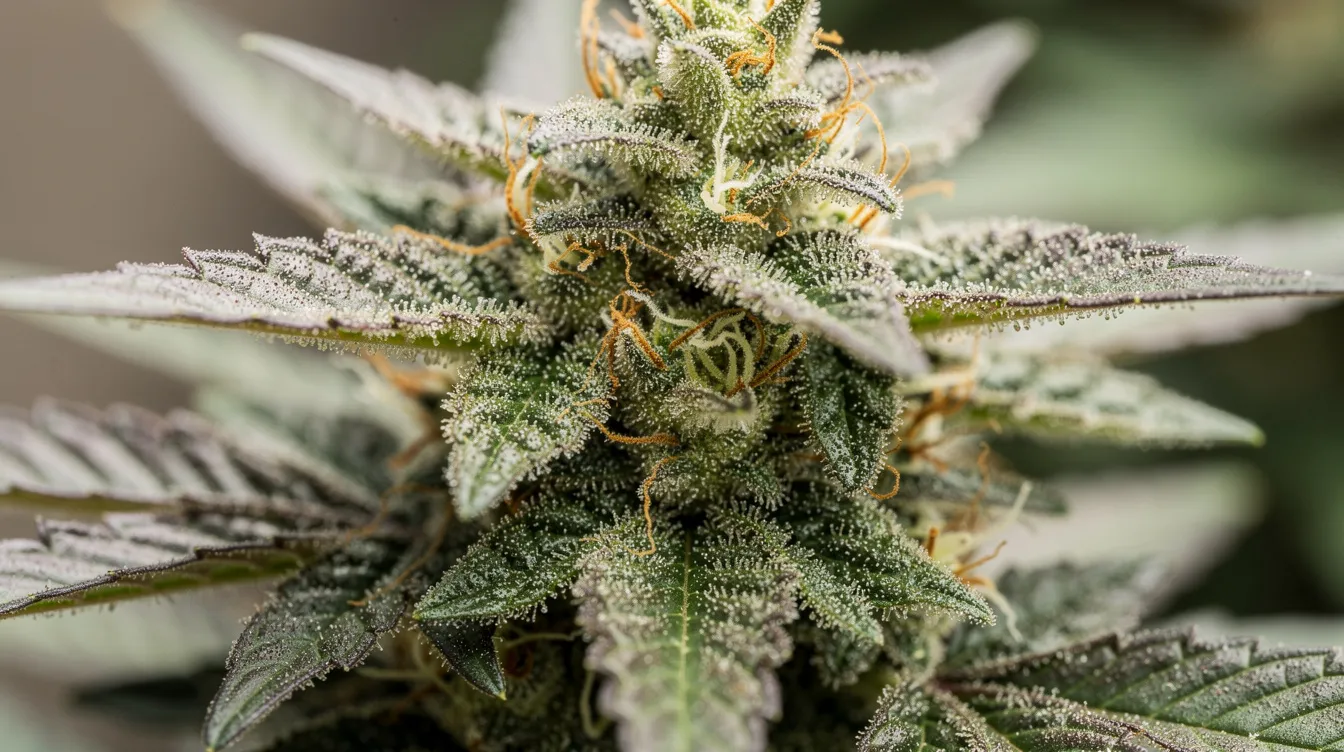
Cannabis terpenes are volatile compounds produced in the resin glands of female cannabis flowers. These chemical compounds are organic compounds built from isoprene units, forming the hydrocarbons responsible for each strain’s unique scent profile.
Trichomes serve as the primary production sites for the plant’s terpenes. These sticky, translucent glands covering buds and leaves house both terpenes and cannabinoids, secreting them as protective mechanisms against pests and environmental stressors.
The key difference between terpenes and cannabinoids lies in their function:
Component | Primary Role | Psychoactive Binding |
|---|---|---|
Terpenes | Aroma, flavor, subtle modulation | No direct CB1 binding |
Cannabinoids (THC/CBD) | Direct psychoactive/therapeutic effects | Binds to endocannabinoid system |
While cannabinoids interact directly with your body’s endocannabinoid system, terpenes provide sensory experiences and subtle effect modulation without producing intoxication on their own.
Terpenes Found In Cannabis And Other Plants
Terpenes are naturally occurring compounds shared across the botanical world. The same terpenes found in cannabis appear in other plants like aromatic herbs, citrus fruits, pine trees, and spices.
Common botanical sources include:
Hops and lemongrass (myrcene)
Citrus peels and pine needles (limonene, pinene)
Lavender and rosemary (linalool, pinene)
Black pepper and cloves (caryophyllene)
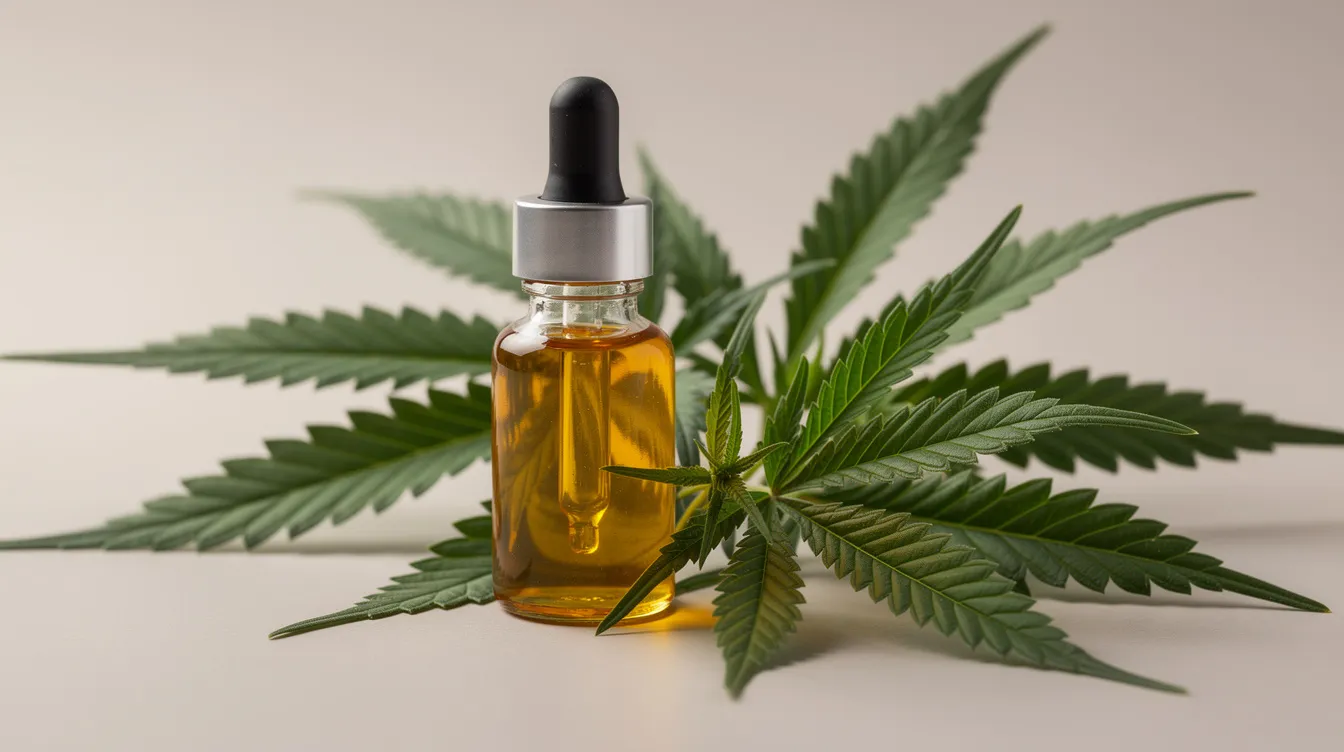
Essential oils extracted from plants are predominantly terpene compositions. Cannabis essential oils follow the same principle, capturing these volatile compounds through extraction.
However, terpene volatility poses extraction challenges. Monoterpenes begin evaporating above 150°C, meaning high concentrations of these compounds present in fresh flower can drop by 30-70% during heating, drying, or improper processing. Cold extraction techniques preserve more authentic terpene profiles.

Most Common Cannabis Terpenes
Different cannabis strains contain varying terpene combinations, creating unique sensory and effect profiles. Many cannabis strains express dominant terpenes that define their character.
Here’s a quick reference for the most common cannabis terpenes:
Terpene | Aroma | Effects | Boiling Point |
|---|---|---|---|
Myrcene | Earthy, musky | Relaxing, sedative | 167°C |
Limonene | Citrus, lemon | Uplifting, anti-stress | 176°C |
Caryophyllene | Peppery, spicy | Anti inflammatory, pain relief | 160°C |
Linalool | Floral, lavender | Calming, anti anxiety | 198°C |
Pinene | Pine, fresh | Alertness, respiratory | 155°C |
Terpene profiles vary significantly across various cannabis strains. Indica-dominant varieties often show myrcene exceeding 50% of total terpene content, while sativa strains frequently feature higher limonene or pinene concentrations.
Myrcene
Myrcene dominates as the most abundant terpene in many cannabis cultivars. Its aroma profile delivers herbaceous, earthy, and musky notes with mild sweetness reminiscent of mangoes.
Cannabis strains high in myrcene include:
OG Kush
Blue Dream
Granddaddy Purple
Beyond marijuana plants, myrcene appears in hops, lemongrass, and ripe mangoes. This terpene promotes sedative, relaxing effects, making myrcene-dominant strains popular choices for evening cannabis consumption.
Limonene
Limonene offers a bright, citrusy terpene profile with unmistakable lemon-like characteristics. This citrusy scent immediately identifies strains where limonene features prominently.
Strains rich in limonene:
Super Lemon Haze
Jack Herer
Durban Poison
Sour Diesel
The same limonene found in citrus fruits provides potential health benefits including mood enhancement and stress reduction. Research suggests limonene may boost serotonin levels, explaining its association with uplifting effects in many sativa strains.
Caryophyllene
Caryophyllene presents a woody, peppery, spicy aroma similar to black pepper, cloves, and cinnamon. This terpene stands out among all other terpenes for one remarkable property.
Caryophyllene is the only known terpene that directly binds to CB2 receptors in the endocannabinoid system. This makes it function as a dietary cannabinoid, producing anti inflammatory effects and pain relieving effects without psychoactivity.
Common cannabis strains containing caryophyllene:
Girl Scout Cookies
Bubba Kush
Chemdawg
Its antibacterial properties and anti inflammatory properties make caryophyllene particularly interesting for those seeking therapeutic qualities from cannabis products.
Linalool
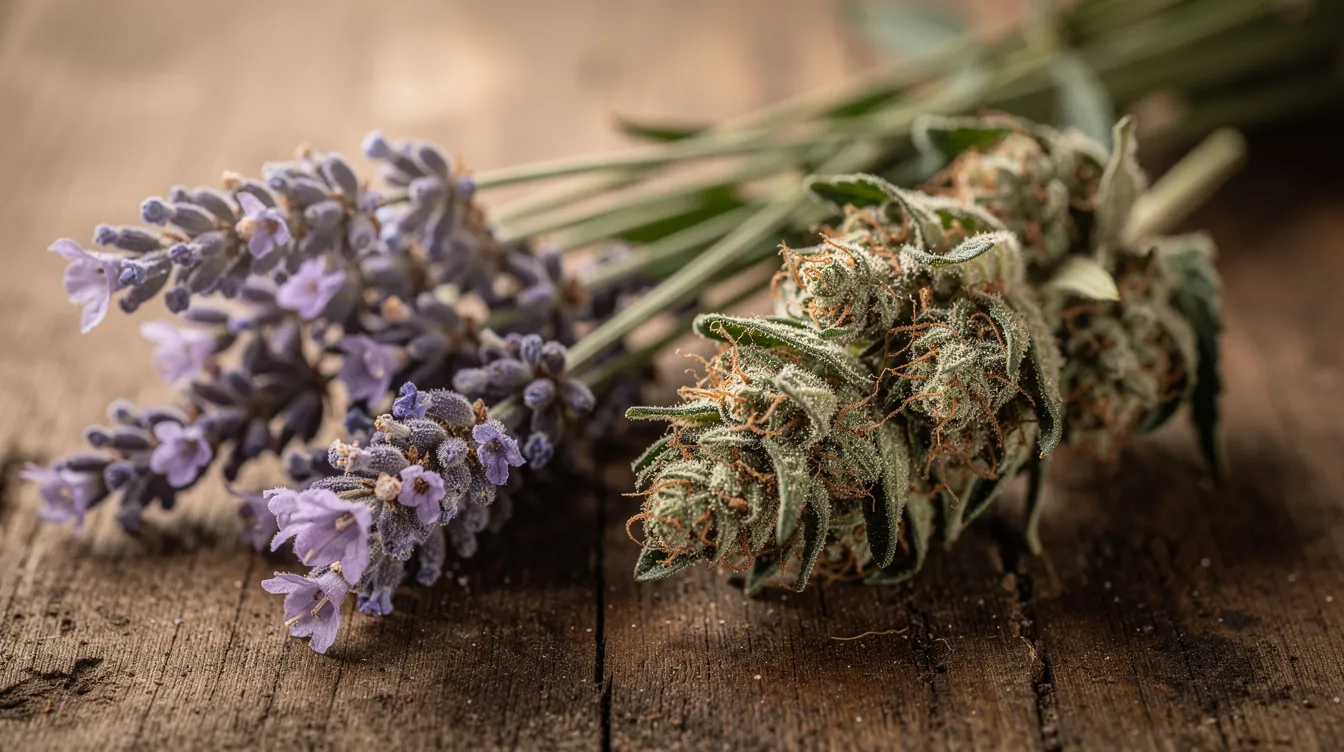
Linalool delivers distinctive aromas of floral, lavender-like scents. This terpene connects directly to the calming reputation of lavender in aromatherapy.
Calming-related cannabis strains featuring linalool:
Lavender
Amnesia Haze
Do-Si-Dos
Lavender remains the classic botanical source, though linalool appears in over 200 plant species. Research points to anti anxiety properties and potential benefits for chronic pain and stress-related conditions.
Beta Pinene
Beta pinene delivers piney, fresh aromas with herbal undertones. It’s an isomer of alpha-pinene, meaning they share the same molecular formula but different structures.
Cannabis strains containing beta pinene:
Jack Herer
Super Silver Haze
Blue Dream
Pine needles and rosemary serve as familiar sources. Beta pinene shows potential as a bronchodilator, offering respiratory benefits that may help those with asthma or breathing difficulties. Its anti inflammatory effects add to its therapeutic profile.
More Terpenes To Know
Beyond the primary five, other compounds present in cannabis deserve attention:
Humulene shares earthy, woody, hop-like characteristics with beer hops. Found in Death Star and White Widow, it may counterbalance appetite stimulation from THC while providing anti inflammatory benefits.
Terpinolene features floral, herbal notes with fruity hints. This rare terpene appears in uplifting strains like Ghost Train Haze during the flowering stage, potentially aiding insomnia despite its energizing reputation.
Eucalyptol brings cooling, minty eucalyptus aromas with expectorant and anti inflammatory effects.
Rare terpenes readers may encounter include:
Ocimene (sweet, herbal, woodsy)
Nerolidol (floral, woody)
Guaiol (piney, woody)
Bisabolol (chamomile-like, anti-irritant)
Include these in strain descriptions when terpene levels justify their mention—typically above 0.1% concentration.
The Entourage Effect And Terpene–Cannabinoid Interactions
The entourage effect describes how terpenes play a synergistic role with cannabinoids, enhancing or modulating overall effects beyond what either compound achieves alone.
Examples of terpene–cannabinoid synergy:
Myrcene THC: Myrcene may increase blood-brain barrier permeability, potentially accelerating THC onset and intensifying sedation
Limonene THC: Limonene’s serotonin-boosting effects combine with THC for enhanced mood elevation
Caryophyllene CBD: CB2 binding amplifies CBD’s anti inflammatory effects for compounded pain relief
Many terpenes contribute to this interplay, though clinical evidence remains limited. Most supporting data comes from preclinical studies and anecdotal reports rather than large-scale human trials.
Current research confirms terpenes influence cannabis effects, but isolating specific mechanisms requires more controlled studies.
This uncertainty doesn’t diminish practical value—consumers consistently report different experiences from strains with similar cannabinoid profiles but different terpene compositions.
Cannabis Strains: Choosing Based On Terpene Profiles
Reading terpene labels on cannabis products helps you predict effects before purchasing. Certificates of analysis (COAs) list terpene percentages, guiding informed decisions.
How to read terpene labels:
Look for total terpene percentage (quality products often exceed 1-2%)
Identify dominant terpenes listed first
Note secondary terpenes that modify the primary profile
Compare across products within the same category
Strain recommendations by terpene-driven effects:
Desired Effect | Target Terpene | Threshold | Example Strains |
|---|---|---|---|
Deep relaxation | Myrcene | >0.5% | Granddaddy Purple |
Energy/focus | Limonene | >0.3% | Super Lemon Haze |
Pain management | Caryophyllene | >0.2% | Bubba Kush |
Anxiety relief | Linalool | >0.1% | Amnesia Haze |
Always consult dispensary COAs before purchase. Terpene profiles shift with cultivation practices, harvest timing, and curing methods—even within the same strain name across different growers.
Terpene Extraction, Cannabis Oil, And Essential Oils
Common terpene extraction methods each offer distinct advantages:
Method | Temperature | Terpene Preservation | Product Type |
|---|---|---|---|
Steam distillation | Moderate | Good | Essential oils |
Supercritical CO2 | Controlled | Excellent | Cannabis oil, concentrates |
Hydrocarbon (butane/propane) | Low | Very high | Live resin |
Ethanol | Variable | Moderate | Full-spectrum tinctures |
Cannabis extract differs from botanical essential oils primarily in cannabinoid content and compound complexity. However, both rely on preserving volatile terpenes during processing.
Terpene loss warnings: Heat above 150°C destroys 50-80% of terpene content. Light exposure accelerates degradation further.
Live resin products, made from fresh-frozen cannabis flowers, retain more authentic terpene profiles than cured flower extracts. Cold processing and opaque storage containers protect integrity throughout production.
Role Of Terpenes In The Cannabis Industry
The cannabis industry increasingly embraces terpene-focused product development. Current trends include:
Terpene-infused vaporizers targeting specific effects
Strain-specific terpene isolates for flavor enhancement
Recombinant terpene blends recreating classic strain profiles
CBD isolate products reintroduced with cannabis-derived terpenes
Clear labeling practices benefit consumers. Recommendations for industry participants:
List top 3-5 terpenes by percentage on packaging
Include terpene charts or flavor wheels for consumer education
Specify extraction method and terpene source
Provide batch-specific COA access
Challenges persist around regulatory hurdles (varying by jurisdiction), sourcing pure isolates ethically, and standardizing testing protocols. Terpene degradation during transport complicates quality consistency across supply chains.
Maximizing Terpene Benefits And Safety
Protecting plants’ compounds after harvest requires proper handling. Storage tips to preserve terpenes:
Use airtight glass containers
Refrigerate at 4-8°C (preserves up to 90% longer than room temperature)
Avoid direct light exposure
Keep away from heat sources
Consumption methods that protect terpene profiles:
Method | Terpene Preservation | Notes |
|---|---|---|
Low-temp vaporizing (150-180°C) | High | Below degradation thresholds |
Fresh flower | High | Terpenes intact |
Edibles | Low | Heat processing destroys most |
Combustion (smoking) | Very low | 50-80% destruction |
Always verify lab reports for terpene content before purchasing. Total terpene percentages above 1-2% indicate potent, well-preserved products. Reports also reveal antioxidant properties and other therapeutic properties of certain terpenes.
Research, Future Directions, And More Terpenes To Watch
Terpene research continues expanding our understanding of these naturally occurring compounds. Key ongoing studies examine:
Anti-cancer synergies (pinene’s potential tumor inhibition)
Neuroprotective applications (linalool for anxiety disorders)
Standardized profiling via GC-MS chromatography
Terpene roles in cancer treatments as adjunct therapies
Emerging terpenes gaining scientific interest:
Bisabolol: Chamomile-like, anti-irritant properties
Geraniol: Rose-like aroma, antiparasitic potential
Farnesene: Apple-like, calming effects
Borneol: Menthol-adjacent, potential analgesic
Authoritative resources for updates include peer-reviewed journals like Cannabis and Cannabinoid Research, PubMed Central articles on terpene pharmacology, and reputable industry testing laboratories publishing research data.
Conclusion
Conclusion terpenes represent one of cannabis science’s most practical frontiers. These volatile compounds transform how consumers select products, moving beyond THC percentages toward effect-driven choices.
Understanding how terpenes found in various cannabis strains attract insects in nature while delivering therapeutic benefits to humans reveals nature’s elegant engineering. The same compounds protecting plants provide us antioxidant properties, anti anxiety properties, and potential assistance with chronic pain.
Quick Terpene Reference Box
Terpene | Smell | Key Effect | Found In |
|---|---|---|---|
Myrcene | Earthy | Sedation | Mangoes, hops |
Limonene | Citrus | Mood lift | Lemons, oranges |
Caryophyllene | Peppery | Anti-inflammatory | Black pepper |
Linalool | Floral | Calming | Lavender |
Pinene | Pine | Alertness | Pine trees |
Start checking COAs at your dispensary. Experiment with different terpene profiles to discover which combinations deliver your desired experience. Your next purchase doesn’t have to be guesswork—let terpenes guide you.
Related Articles
Frequently Asked Questions

Written by
The Green Treasure Editorial Team
Independent cannabis journalism backed by science. We cover terpenes, vaporizers, edibles, growing and health.
Stay in the green loop
Expert guides, terpene science, growing tips, and gear reviews — delivered to your inbox. No spam, ever.
No spam. Unsubscribe anytime.